
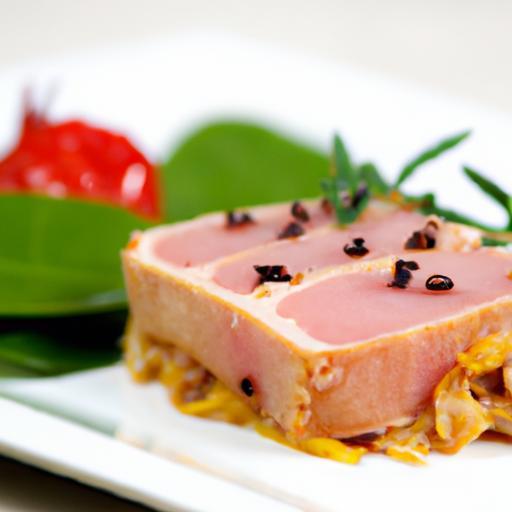
Ther’s something undeniably captivating about a perfectly cooked tuna steak-teh vibrant ruby-red center, the delicate flaky texture, and that rich, ocean-kissed flavor that lingers with every bite. Yet, mastering the art of cooking tuna steak can be elusive; too long on the heat, and it turns dry and tough, too short, and you miss unlocking its full flavor potential. In this article, we’ll dive beneath the surface to uncover the secrets that transform a simple slab of fish into a culinary masterpiece. From selecting the freshest cuts and seasoning techniques to mastering cooking methods that preserve moisture and amplify taste,prepare to elevate your tuna steak game to a whole new level. Get ready to impress your palate and your guests with every perfectly cooked slice.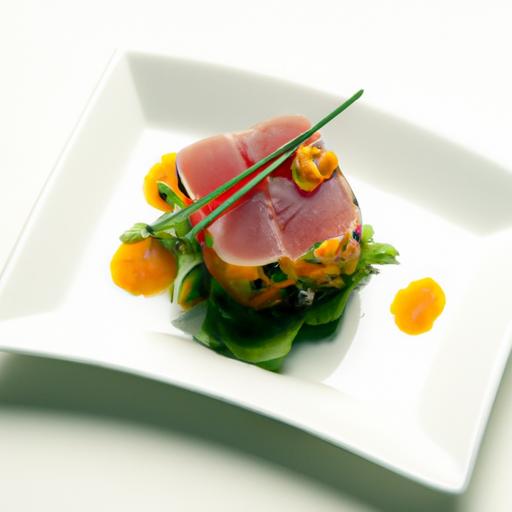
Choosing the Freshest Tuna for Ultimate Taste
Tuna Steak Secrets begin with selecting the freshest tuna, the foundation for a juicy, flavorful masterpiece.The quality of your tuna determines everything from its texture to its savory depth, so understanding what to look for is essential before you even fire up the grill or pan.
When choosing tuna, look for a vibrant, deep red color – this signals freshness and rich flavor. Avoid any fish that appears dull or brownish, as it may have been caught some time ago or improperly stored. The flesh should be moist but not slimy, with a firm, dense texture that springs back when gently pressed. A fresh tuna steak almost glows, offering a visual promise of the buttery richness and clean ocean taste to come.
Another secret is the smell: your fresh tuna should carry a subtle ocean scent, never fishy or pungent.If you’re at a trusted fishmonger or market, ask if the tuna was line-caught or sustainably harvested, which often enhances flavor and supports better ecological practices.For ultimate confidence, seek sashimi- or sushi-grade tuna, indicating it has been handled with extreme care to retain peak quality.
While it might be tempting to purchase frozen tuna,fresh or properly flash-frozen fish will yield superior texture and flavor for those perfect tuna steaks. Before cooking,pat your tuna dry with a paper towel-this helps in achieving a gorgeous sear that locks in the succulent juices.
Integrating these simple yet vital tips transforms your tuna selection into the first step toward unforgettable seafood dining.
Prep and Cook Time
- Readiness: 10 minutes
- Cooking: 6-8 minutes
- Total Time: 20 minutes
Yield
Serves 2 hungry guests
Difficulty level
Medium - accessible for confident home cooks and beginners ready to impress!
Ingredients
- 2 fresh tuna steaks, about 6 oz each, 1-inch thick
- 1 tablespoon olive oil, extra virgin for flavor
- 1 teaspoon sea salt, freshly ground
- ½ teaspoon freshly cracked black pepper
- 1 teaspoon toasted sesame seeds (optional, for a subtle nutty crunch)
- 1 tablespoon finely grated fresh ginger
- 2 tablespoons soy sauce (low sodium preferred)
- 1 fresh lemon, zested and juiced
- 2 green onions, thinly sliced for garnish
instructions
- Prepare the marinade: In a shallow bowl, whisk together the olive oil, soy sauce, fresh lemon juice, grated ginger, sea salt, and black pepper. This fresh citrus-ginger blend brightens the deep flavor of the tuna without overpowering it.
- Marinate the tuna steaks: Place the tuna steaks in the bowl, turning to coat evenly. Cover and refrigerate for 10 minutes-this brief soak builds flavor and helps tenderize the surface.
- Pat tuna dry: Remove the steaks from the marinade and gently pat dry with paper towels to ensure a crisp sear.
- Preheat your pan: Heat a heavy-bottomed skillet or cast-iron pan over medium-high heat. When hot, add a small splash of olive oil and let it shimmer.
- Sear the steaks: Lay the tuna steaks carefully in the pan. Sear without moving for about 2 minutes on one side until a golden crust forms. Flip and cook for another 2-3 minutes for medium-rare; adjust time if you prefer more or less doneness. Remember, tuna is best enjoyed pink inside.
- Toast sesame seeds: While tuna cooks, gently toast sesame seeds in a dry pan until fragrant and lightly browned.This adds a toasty contrast to the meaty tuna.
- Rest and garnish: Remove the tuna from heat and let rest for 2 minutes.Slice against the grain into generous strips, sprinkle with toasted sesame seeds, fresh lemon zest, and green onions.
- Serve immediately: Present your tuna steak with a drizzle of any reserved marinade or a squeeze of fresh lemon. Enjoy the perfect balance of savory,zesty,and fresh.
Tips for Success
- Choose sushi-grade tuna whenever possible for safety and flavor.
- Avoid over-marinating: Tuna is delicate; keep marinade time brief to prevent mushiness.
- Don’t overcook: Tuna steak tastes best with a warm, pink center-overcooking dries it out.
- Use high heat: A properly hot pan gives you the gorgeous crust that contrasts with the tender inside.
- Make ahead: Prep the marinade up to a day in advance for quicker cooking nights.
- Substitution option: For an alternative crunch, sprinkle chopped toasted almonds rather of sesame seeds.
- Explore grilling tips for salmon to diversify your seafood repertoire.
Serving Suggestions
Brighten your plate with a side of lightly sautéed greens like baby spinach or watercress. Serve alongside jasmine rice or a vibrant quinoa salad tossed with chopped cucumbers, cherry tomatoes, and fresh parsley for a refreshing contrast. A small pile of pickled ginger adds a palate-cleansing zing, and a drizzle of wasabi mayo can bring just the right kick.
For garnish, think colorful microgreens, thinly sliced radishes, or vibrant edible flowers that elevate the dish visually and texturally.

| Nutrient | Per Serving |
|---|---|
| Calories | 280 kcal |
| Protein | 45 g |
| Carbohydrates | 3 g |
| Fat | 7 g |
For further reading on selecting sustainable seafood and the benefits of fresh fish, visit the NOAA FishWatch website, a trusted resource in the culinary and environmental fields.
Unlocking Marinade Magic to Elevate Every Bite
Tuna steak secrets start with the perfect marinade, the key to infusing bold flavors and tenderizing every bite for a truly unforgettable dining experience. Marinating tuna isn’t just about soaking it in liquid-it’s an art form that balances acidity, umami, and fresh aromatics to amplify the natural richness of the fish without overpowering it. From the first brush of citrus zing to the final kiss of soy depth, each element works in harmony, ensuring your tuna steak bursts with flavor and a succulent texture.
Prep and Cook Time
- Prep Time: 15 minutes
- Marinade Time: 30 to 60 minutes
- Cook Time: 4 to 6 minutes
Yield
Serves 2 generously
Difficulty level
Medium - Perfect for home cooks ready to master the balance of flavors and cooking technique
Ingredients
- 2 fresh tuna steaks (6 oz each, about 1-inch thick)
- 3 tbsp soy sauce (low sodium preferred)
- 1 tbsp toasted sesame oil
- 1 tbsp freshly squeezed lime juice
- 1 tsp honey or pure maple syrup
- 2 cloves garlic, minced
- 1 tsp grated fresh ginger
- 1/2 tsp crushed red pepper flakes (optional, for subtle heat)
- 1 tbsp chopped fresh cilantro (plus extra for garnish)
- Salt and freshly ground black pepper, to taste
Instructions
- Combine the marinade: In a shallow glass or ceramic dish, whisk together soy sauce, sesame oil, lime juice, honey, minced garlic, grated ginger, and crushed red pepper flakes until well blended.
- season the tuna steaks: Lightly sprinkle both sides of each tuna steak with salt and pepper. This primes the fish to absorb the marinade flavors effectively.
- Marinate the tuna: Place steaks in the dish and turn to coat evenly. Cover and refrigerate for 30 to 60 minutes-no longer, to prevent the acid from “cooking” the fish like a ceviche.
- Preheat your cooking surface: Heat a heavy skillet or grill pan over medium-high heat. The surface should be hot enough to sear instantly but not so hot that it scorches.
- Sear tuna steaks: Remove steaks from marinade, letting excess drip off. Place on the hot pan and sear each side for 2 to 3 minutes depending on desired doneness-rare to medium-rare recommended for optimal tenderness.
- Rest & garnish: Transfer steaks to a plate and let rest for a few minutes. Sprinkle freshly chopped cilantro on top for a burst of herbaceous brightness.
Tips for Success
- Marinate time matters: Avoid exceeding 60 minutes to prevent the tuna from becoming mushy. The marinade is designed to enhance-not overpower-the lean tuna steak texture.
- Choose fresh, sashimi-grade tuna: The freshest steak yields the best texture and flavor profile. When possible, buy from a trusted fishmonger and keep it chilled until cooking.
- Adjust marinade components: Swap lime juice for lemon or a splash of rice vinegar for a slightly different citrus note.Maple syrup and honey balance the acidity perfectly.
- For an Asian twist: Add a teaspoon of fish sauce or hoisin sauce to deepen the umami complexity.
- Cooking variations: For grilling outdoors,brush the grill grates with a little sesame oil to prevent sticking and create those signature grill marks.
- Make-ahead option: Prepare the marinade up to a day in advance and store tightly sealed in the fridge.
Serving Suggestions
Present your seared tuna steaks on a sleek platter drizzled with a light drizzle of extra sesame oil and sprinkled with toasted sesame seeds for contrast. Accompany with a vibrant mango and avocado salsa or a crisp Asian slaw to balance the richness. Finish with thin slices of fresh cucumber and a wedge of lime on the side for extra zest. A bowl of jasmine rice or steamed bok choy boosts the meal’s soul-satisfying element with a clean finish.

| Nutrient | Per Serving |
|---|---|
| Calories | 280 kcal |
| protein | 40 g |
| Carbohydrates | 5 g |
| Fat | 8 g |
For more seafood marvels and perfect grilling tips, check out our Grilled Salmon Masterclass. Interested in the science behind marinating? Discover more at Serious Eats: The Science of Marinades.
The Art of Searing Tuna Steak to Perfection
Tuna steak secrets are the key to unlocking a sublime balance of flavor and texture that elevates a simple piece of fish into a culinary masterpiece. This technique celebrates freshness and precision, bringing a crisp, caramelized crust while preserving the tender, buttery interior that tuna lovers crave. Whether recalling a sunlit seaside meal or crafting an elegant dinner at home, mastering this method turns every bite into an experience that tastes as stunning as it looks.
Prep and Cook Time
- Preparation Time: 10 minutes
- Cook Time: 6 minutes
- Total Time: 16 minutes
Yield
Serves 2 elegantly, perfect for a light lunch or an remarkable dinner plate.
Difficulty Level
Medium - Ideal for adventurous cooks ready to refine their technique without fuss.
Ingredients
- 2 (6 oz) fresh ahi tuna steaks, about 1-inch thick, well-chilled
- 1 tablespoon high-smoke point oil (such as grapeseed or avocado oil)
- ½ teaspoon sea salt, preferably flaky
- ¼ teaspoon freshly ground black pepper
- 1 teaspoon toasted sesame seeds (optional, for texture and subtle nuttiness)
- 1 tablespoon finely chopped fresh chives or green onions
- 1 teaspoon grated fresh ginger
- 1 teaspoon soy sauce or tamari (gluten-free option)
- Lemon wedges, for serving
Instructions
- Bring the tuna steaks to room temperature by resting them on the counter for 10 minutes. This helps sear evenly and avoids chilling the pan.
- Season both sides lightly with sea salt and freshly ground black pepper. Sprinkle sesame seeds evenly over one side, gently pressing them into the flesh.
- Heat a heavy skillet-preferably cast iron-over medium-high heat until it’s shimmering but not smoking. Add the oil, swirling to coat the pan thoroughly.
- Place the tuna steaks in the pan, sesame seed side down first. Do not move them. Sear for exactly 1.5 to 2 minutes to develop a crisp, golden crust.
- Flip the steaks carefully using a thin spatula and sear the other side for 1.5 minutes for rare or up to 3 minutes for medium-rare, depending on thickness and preference.
- Remove the tuna from the skillet and transfer to a cutting board. Rest for 2 minutes to allow juices to redistribute and avoid overcooking.
- Whisk together the grated ginger and soy sauce in a small bowl-this will be your finishing drizzle to enhance umami and brightness.
- Slice the tuna steaks against the grain into ¼-inch thick medallions. Arrange on warmed plates, drizzle with the ginger-soy dressing, and garnish with chopped chives and a lemon wedge.
Tips for Success
- Choose tuna labeled “sushi-grade” or sashimi-quality to ensure freshness and safe raw or rare consumption.
- Dry the surface well with paper towels before seasoning to maximize crust formation.
- Use a clean, hot pan and avoid overcrowding – sear in batches if needed.
- Resist the urge to overcook: tuna shines with a pink center; overcooking leads to dryness and loss of flavor.
- Experiment with finishing spices like a dusting of smoked paprika or a sprinkle of furikake for a Japanese-inspired touch.
- Make-ahead tip: Season and sesame-crust the steaks,then cover tightly and store in the fridge up to 2 hours before cooking.
Serving Suggestions
Present sliced tuna steak over a bed of lightly dressed baby greens or colorful microgreens to add contrast and freshness. Garnish with thinly sliced radish or julienned cucumber for crunch. Complement with a side of wasabi mashed potatoes or a chilled avocado and mango salsa to play with texture and subtle sweetness. A final spritz of fresh lemon juice over the plated steak brightens flavors and adds zesty intrigue-pure harmony on the plate.

| Nutrient | Per Serving |
|---|---|
| Calories | 220 kcal |
| protein | 40 g |
| Carbohydrates | 2 g |
| fat | 6 g |
For more ideas on cooking exquisite seafood dishes, check out our Grilled Salmon with Herb Butter recipe. To deepen your seafood cooking knowledge, visit Serious Eats, a respected culinary resource renowned for expert techniques.
Serving Suggestions That complement and Enhance Flavor
When you nail the perfect tuna steak secrets,the final flourish lies in how you serve it to truly elevate every bite. The clean, meaty texture and rich umami of the fish invite accompaniments that both celebrate and contrast its bold character. Picture seared tuna resting atop a bed of vibrant, citrus-kissed arugula-each bite a harmony of peppery greens and the tuna’s melt-in-your-mouth succulence.
To balance the tuna steak secrets you’ve mastered, consider radiant, fresh accompaniments. A mango-avocado salsa with zesty lime juice and a hint of chili offers a tropical sweetness and gentle heat that pairs beautifully with the tuna’s deep flavor.The salsa’s creamy avocado also echoes the fish’s buttery texture, crafting an irresistible mouthfeel.
Root vegetables roasted with rosemary and garlic add earthy warmth and a crispy edge, complementing the tuna’s tender interior. Alternatively, a simple pile of sesame jasmine rice drenched lightly with toasted sesame oil and sprinkled with toasted nori flakes enhances Japanese-inspired notes in your dish, honoring the oceanic origins of the tuna.
For garnishes, fresh microgreens or finely sliced scallions introduce subtle crunch and freshness. A drizzle of a ginger-soy reduction or a dollop of wasabi aioli can inject spicy,savory layers,encouraging your palate to explore every dimension of the tuna steak secrets you’ve perfected.
Serve this dish on a clean, white plate or a rustic wooden board to showcase its vibrant colors and textures-visually celebrating the craftsmanship behind every perfectly cooked tuna steak.

For more inspiration on seafood pairings and side dishes,check out our Grilled Fish Accompaniments That Shine.
To explore the health benefits and sustainability practices of tuna fishing, the Seafood Watch programme offers invaluable guidance-visit Seafood Watch for expert recommendations.
Q&A
Tuna Steak Secrets: Mastering Flavor and Perfect Cooking – Q&A
Q1: What makes tuna steak different from other types of fish when it comes to cooking?
A1: Tuna steak is almost meat-like in texture, dense and hearty, which means it responds well to high-heat, quick cooking methods. Unlike flakier fish, tuna holds together beautifully, making it ideal for grilling, searing, or even eating rare. Its rich flavor benefits from bold seasoning and careful temperature control to avoid drying out.
Q2: How do I know when a tuna steak is perfectly cooked?
A2: the hallmark of a perfectly cooked tuna steak is a warm, pink center. Tuna is best served rare to medium-rare, retaining its moisture and natural buttery texture.Overcooking causes it to become dry and chalky. A general rule is about 1-2 minutes per side on high heat for a 1-inch thick steak, but always adjust based on thickness and heat intensity.
Q3: What are some secret marinades or seasonings that elevate the flavor of tuna steaks?
A3: Tuna thrives with umami-rich flavors-think soy sauce alternatives like tamari or coconut aminos, zesty citrus juices (lime or yuzu), fresh herbs like cilantro and basil, and spicy elements such as ginger, chili, or black pepper. A simple marinade of sesame oil, garlic, and a splash of citrus can awaken the natural oceanic taste without overpowering it.
Q4: Is it better to marinate tuna steak or just season it before cooking?
A4: Both methods have their perks, but because tuna is dense and has a clean flavor, even a quick 10-15 minute marinade can impart fantastic depth. If you prefer the pure tuna taste, a good coarse salt seasoning and freshly cracked pepper right before cooking does the trick, preserving the steak’s natural character.
Q5: Can tuna steak be cooked on a grill, and how can I prevent it from sticking?
A5: Absolutely! Tuna and grill make a perfect match.To prevent sticking, ensure the grill grates are extremely hot, oil the tuna lightly instead of the grill, and avoid moving the steak too soon. A quick sear on each side forms a natural crust, locking in juices and creating that desirable grill mark effect.
Q6: What’s a creative way to serve tuna steak beyond the classic sear?
A6: Try layering your tuna steak slices over a bed of vibrant salsa verde made from parsley, capers, lemon, and garlic, or crown the seared tuna with a fresh mango-avocado salsa for a bright, tropical twist. Alternatively, thinly slice the cooked tuna and dress it in a sesame-soy glaze for an elegant tuna tataki-inspired platter.
Q7: Are there any cooking tools or techniques that help achieve the perfect tuna steak?
A7: A very hot cast-iron skillet or grill is your best freind for that perfect sear. Using a kitchen thermometer can definitely help you nail the internal temperature-aim for about 115°F (46°C) for rare to medium-rare. Resting the steak briefly after cooking allows juices to redistribute, ensuring every bite is juicy and tender.
Q8: What should I look for when buying tuna steak to ensure quality?
A8: Freshness is king. Look for vibrant, deep red or pink flesh that’s firm to the touch with no discoloration or dryness. It should smell clean like the ocean, not fishy or ammonia-like. Opt for sashimi-grade if you plan on serving it rare or raw, ensuring the highest quality and safety.
Q9: How does the thickness of the tuna steak impact cooking technique?
A9: Thickness dictates time and temperature control. Thicker steaks (around 1.5 to 2 inches) can handle a quick sear and then a brief rest to finish cooking internally without drying out. Thinner steaks cook almost instantaneously, so watch them carefully and pull off the heat early to keep them tender.
Q10: Can I prepare tuna steak ahead of time for a meal or event?
A10: Tuna steak is best enjoyed freshly cooked, but you can marinate it a few hours in advance to maximize flavor. Avoid fully cooking it too early as it loses moisture rapidly. For gatherings, consider serving thinly sliced tuna as part of a salad or ceviche that can be prepped ahead but kept chilled until serving.
Key Takeaways
As you close the chapter on these tuna steak secrets, remember that mastering flavor and perfect cooking is as much about intuition as it is indeed technique.Each thick, ruby-hued slice holds endless potential-from sizzling sears that lock in ocean-fresh goodness to delicate marinades that whisper savory tales.Armed with these insights, your kitchen becomes a canvas, and the humble tuna steak transforms into a culinary masterpiece. so next time you’re ready to fire up the grill or heat the pan,let these tips guide your hand-and taste the difference when expertise meets the simplicity of great ingredients. Happy cooking, and may every bite be a festivity of the sea’s finest treasure.