

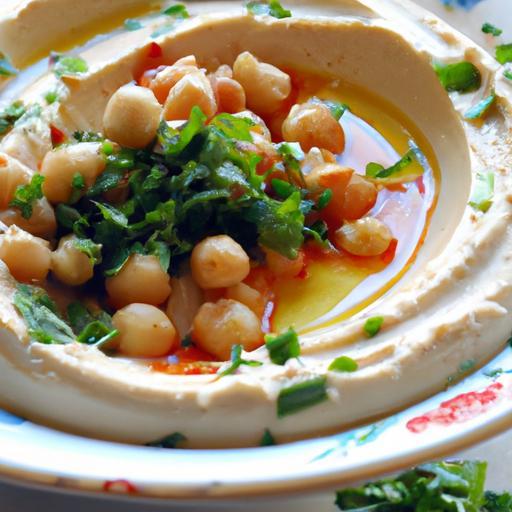
In a world where food trends come and go, hummus has stood the test of time, evolving from a humble Middle eastern staple into a global favorite. Creamy, versatile, and bursting with flavor, this beloved chickpea spread has sparked a passionate following-and a hunt for the very best scoop in town. Whether you’re a seasoned hummus aficionado or simply curious to explore new tastes, navigating the sea of options can be both exciting and overwhelming.Welcome to The Ultimate Guide to finding the Best Hummus near You-your passport to discovering that perfect blend of smoothness, seasoning, and soul that turns a simple snack into an unforgettable experience. Get ready to embark on a delicious journey that will forever change the way you dip,spread,and savor.
Understanding What Makes Hummus Exceptional
What Makes Hummus Stand Out: The Secrets Behind Exceptional Flavor and Texture
Finding the best hummus near you starts with understanding the delicate balance of ingredients,texture,and freshness that elevate this humble dish into a creamy,dreamy masterpiece. rooted in Middle Eastern culinary traditions, hummus is more than just a chickpea spread – itS a party of simplicity and harmony. Each bite tells a story of perfectly blended chickpeas, rich tahini, radiant lemon juice, and just the right hint of garlic and olive oil.
Having traveled through Levantine markets and dined in local homes, I’ve discovered that exceptional hummus isn’t just about what goes in the bowl, but how those elements come together. The freshness of each component, the balance of smoothness and grain, and even the presentation transform eating hummus from a casual snack into an unforgettable sensory experience.
prep and Cook Time
- Readiness time: 15 minutes
- Cook Time: 40 minutes (if cooking dried chickpeas; skip if using canned)
- Total Time: 55 minutes
yield
Serves 6 as an appetizer or snack
Difficulty Level
Easy – Medium: Perfect for anyone willing to take a moment to blend quality ingredients impeccably.
Ingredients
- 1 ½ cups dried chickpeas (or 3 cups canned chickpeas,drained and rinsed)
- ½ teaspoon baking soda (for soaking)
- ¾ cup tahini (well-stirred)
- ½ cup freshly squeezed lemon juice (about 2 large lemons)
- 3 garlic cloves (minced)
- ½ cup extra virgin olive oil,plus more for drizzling
- 1 teaspoon kosher salt
- Water,as needed (reserved cooking liquid or cold water)
- 1 teaspoon ground cumin (optional,for warmth and spice)
Instructions
- Soak the chickpeas: Rinse the dried chickpeas and place them in a bowl with baking soda and plenty of cold water.Soak overnight (8-12 hours) until they have nearly doubled in size.
- Cook the chickpeas: Drain and rinse soaked chickpeas. Add them to a pot with fresh water covering the beans by 2 inches. Bring to a boil, then reduce to a simmer, occasionally skimming foam.Cook until very tender – about 40 minutes. Reserve ½ cup cooking liquid; drain the rest.
- Prepare the garlic and tahini: In a food processor, pulse minced garlic and salt until finely chopped. Add tahini,lemon juice,and cumin,processing until creamy and smooth.
- Add chickpeas: Add cooked chickpeas in batches, pulsing to combine well. Add reserved cooking liquid (or cold water) gradually to reach a luscious, pudding-like texture.
- Drizzle olive oil: With the food processor running, slowly pour in olive oil until fully incorporated. Taste and adjust seasoning with more salt, lemon juice, or garlic as desired.
- Serve with style: Spoon hummus into a shallow bowl,creating gentle swirls with the back of a spoon. Drizzle extra olive oil on top and garnish with paprika, fresh parsley, or toasted pine nuts.
Tips for Success
- Choose quality tahini: A smooth, pale tahini made from hulled sesame seeds ensures a silky, rich texture.
- Cook chickpeas thoroughly: Overcooked chickpeas yield ultra-smooth hummus. If using canned, drain and rinse well to avoid bitterness.
- Don’t rush blending: Processing longer improves creaminess but be careful not to overheat the hummus – pause occasionally.
- Customize with flavor: Experiment with a pinch of smoked paprika, a splash of warm olive oil, or a dollop of harissa for a spicy kick.
- Make ahead: Hummus flavors meld beautifully after resting for a few hours. Store in an airtight container in the fridge for up to 5 days.
Serving Suggestions
Serve hummus chilled or at room temperature surrounded by warm pita wedges, crisp vegetable sticks, or atop a vibrant salad. For a visual feast, sprinkle with roasted sesame seeds, chopped fresh herbs like parsley or cilantro, and add a small mound of caramelized onions or za’atar on the side. A bright drizzle of olive oil glistens like liquid gold,making your hummus irresistible at any gathering.

| Nutrient | Per Serving |
|---|---|
| Calories | 180 kcal |
| protein | 6 g |
| Carbohydrates | 15 g |
| Fat | 10 g |
For more inspiration on Mediterranean dips,check out our Mediterranean Dips Collection. For nutritional benefits and scientifically-backed insights on chickpeas, visit the Harvard T.H. Chan School of Public Health.
Exploring Local Favorites and Hidden gems
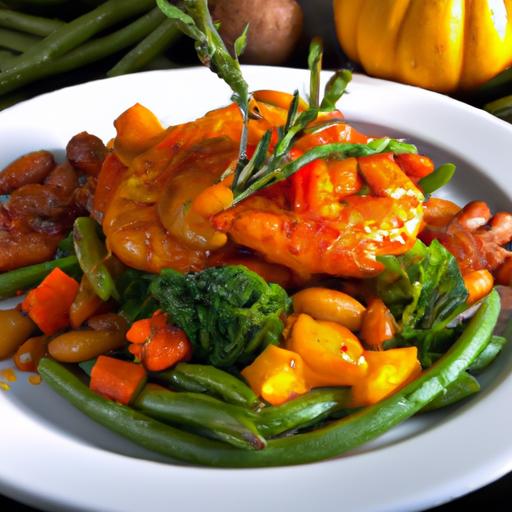
exploring the vibrant world of hummus offers a delicious passport to Middle Eastern culinary traditions, and finding the best hummus near you can unlock flavors that dance between creamy, tangy, and luxuriously rich. Originating as a humble chickpea dip, hummus has evolved into countless local favorites and hidden gems, each with its unique twist–from silky tahini blends to zesty lemon finishes. On a recent weekend stroll through a tucked-away street market, I uncovered a spot where this ancient staple was reimagined with roasted garlic and smoked paprika, transforming a classic dish into a sensory adventure.
Prep and Cook Time
- Preparation: 10 minutes
- Cooking/blending: 15 minutes
- Total Time: 25 minutes
Yield
- Approximately 2 cups (serves 4)
Difficulty Level
- Easy - perfect for beginners and seasoned cooks alike
Ingredients
- 1 cup cooked chickpeas (or canned, drained and rinsed)
- 3 tbsp tahini (well-stirred)
- 2 tbsp fresh lemon juice
- 1 large garlic clove, minced
- 3 tbsp extra virgin olive oil, plus more for garnish
- ½ tsp ground cumin
- ½ tsp sea salt, or to taste
- 2-3 tbsp cold water (to adjust texture)
- Pinch of smoked paprika (optional, for garnish)
- Fresh parsley, finely chopped for garnish
Instructions
- Combine chickpeas, tahini, lemon juice, garlic, cumin, and salt in a food processor or high-speed blender. Pulse until roughly combined.
- with the processor running, slowly drizzle in olive oil to create a smooth, creamy texture, scraping down the sides as needed.
- Add cold water one tablespoon at a time, blending until desired consistency is reached – silky and spreadable, not thick or stiff.
- Taste and adjust seasoning, adding more salt or lemon juice for brightness.
- Transfer to a shallow bowl, drizzle with olive oil, then sprinkle smoked paprika and fresh parsley on top for an inviting presentation.
- Serve immediately or refrigerate in an airtight container for up to 3 days for enhanced flavor meld.
Tips for Success
- Chickpea choice matters: Use fresh, well-cooked chickpeas for a creamier hummus. If using canned, rinse thoroughly to reduce acidity and sodium.
- Tahini freshness: Opt for a thick, smooth tahini for the best flavor and texture. Stir well before measuring to integrate its natural oils.
- Flavor balancing: Lemon juice brightens but can overwhelm - add incrementally and taste as you go.
- Whip it right: For ultra-fluffy hummus, consider peeling chickpeas before blending; the extra step smooths your dip remarkably.
- Make ahead: Hummus flavors develop beautifully after resting overnight in the fridge. Bring to room temperature before serving.
Serving Suggestions
Present your hummus in a rustic shallow bowl for maximum visual impact. Garnish with a generous swirl of extra virgin olive oil, a sprinkle of vibrant smoked paprika, and a handful of finely chopped fresh parsley or za’atar herb mix. Serve alongside warm, fluffy pita bread, crunchy vegetable sticks like carrots and cucumbers, or use as a luscious spread for sandwiches and wraps.

Nutritional Facts per ¼ cup serving
| Calories | Protein | Carbs | Fat |
|---|---|---|---|
| 140 | 5g | 12g | 8g |
For those wanting to deepen their knowledge on homemade hummus recipes, this guide offers creative spins and techniques. To understand the health benefits and cultural history of hummus, visit Britannica’s extensive review.
Tips for spotting Fresh and Authentic Hummus
Spotting fresh and authentic hummus can transform your snack experience from ordinary to extraordinary.Whether you’re grabbing a scoop at your local market or dining out, understanding the nuances that define quality hummus ensures every bite is creamy, flavorful, and true to its Mediterranean roots.
Prep and Cook Time
- Preparation: 10 minutes
- Cooking (if homemade): 30 minutes for chickpeas
- Total Time: 40 minutes
Yield
- Approx. 8 servings (each about 2 tbsp)
Difficulty Level
- Easy to Medium (depending on homemade or store-bought tasting)
Ingredients
- 1 cup dried chickpeas (or 2 cups cooked/canned, drained and rinsed)
- ¼ cup fresh tahini
- 3 tablespoons extra virgin olive oil
- 1½ teaspoons sea salt
- 2 tablespoons fresh lemon juice
- 2 garlic cloves, minced
- ½ teaspoon ground cumin
- Cold water (for desired consistency)
- Optional garnish: paprika, whole chickpeas, parsley, pine nuts
Instructions
- Prepare chickpeas: If using dried chickpeas, soak them overnight, then simmer until tender (about 30 minutes). Freshly cooked chickpeas provide the best authentic flavor and texture for spotting true freshness.
- Blend hummus base: In a food processor, combine cooked chickpeas, tahini, lemon juice, garlic, sea salt, and cumin.Pulse to create a coarse paste.
- Add olive oil: Slowly drizzle in olive oil while blending to emulsify the mixture, creating a creamy consistency.
- Adjust texture: Gradually add cold water, one tablespoon at a time, blending until the hummus reaches a smooth, silky texture-never grainy or dry.
- Taste and season: Balance flavors with extra lemon juice or salt based on your preference. Authentic hummus should have a bright, tangy essence with a subtle earthiness.
- Presentation: Spoon hummus into a shallow bowl, creating gentle swirls. Drizzle with additional olive oil and garnish with a sprinkle of paprika, a few whole chickpeas, fresh parsley, or toasted pine nuts for a stunning rustic finish.
Tips for Success
- Freshness cues: High-quality hummus will carry a natural beige hue with slight variations, never yellow or overly white, which indicates preservatives or additives.
- Avoid graininess: Smooth texture signals authentic hummus. If it feels gritty, it might be made from dry powder mixes or preservatives.
- Smell test: Fresh hummus boasts a bright lemon and garlic aroma, with a gentle nuttiness from tahini. Off smells or sour notes imply spoilage or inferior quality.
- Look for real ingredients: Simple, whole food ingredients like chickpeas, tahini, olive oil, garlic, and lemon juice are a good sign. Extra stabilizers or preservatives are red flags.
- make-ahead tips: Store hummus in an airtight container with a light olive oil layer on top to prevent drying out. Refrigerate for up to 4 days.
Serving Suggestions
Serve fresh, authentic hummus with warm pita bread, crisp vegetables like cucumber and carrot sticks, or as a creamy spread on your favorite sandwiches. For an Instagram-worthy finish, drizzle with golden olive oil and sprinkle with smoked paprika or za’atar for a pop of color and flavor. Pair with olives, roasted red peppers, or artichoke hearts to elevate your Mediterranean spread.

| Nutrient | Per 2 tbsp |
|---|---|
| Calories | 70 |
| Protein | 2.5 g |
| Carbohydrates | 6 g |
| Fat | 5 g |
For a deeper dive into crafting your own Mediterranean-inspired dips, check out our mediterranean Dip Recipes article. You can also learn about the health benefits of chickpeas from Healthline.
Must-Try Hummus Varieties and Where to Find Them
Finding the best hummus near you unlocks a world of creamy delights, each variety telling a story of vibrant cultures and luscious flavors. From classic chickpea blends to unexpected twists like roasted beet or spicy harissa, hummus invites you on a savory journey that’s both simple and indulgent. This beloved Middle Eastern staple has won hearts globally, with every spoonful offering a smooth, velvety texture perfectly balanced by tangy lemon and nutty tahini.
Prep and Cook Time
- Preparation: 10 minutes
- Cook Time: 0 minutes (no-cook varieties)
- Total Time: 10 minutes
Yield
Serves 4 to 6 as a snack or appetizer
Difficulty Level
Easy – great for beginners and seasoned chefs alike
Ingredients
- 1 cup canned chickpeas, drained and rinsed
- 1/4 cup tahini (sesame seed paste)
- 2 tablespoons fresh lemon juice
- 2 garlic cloves, minced
- 2 tablespoons extra virgin olive oil, plus more for drizzling
- 1/2 teaspoon ground cumin
- Salt to taste
- Water, as needed for texture
Optional Variety Boosters:
- Roasted Red Pepper: add 1/4 cup roasted peppers for a smoky sweetness
- Beetroot: blend 1/3 cup cooked beets for vivid color and earthiness
- Spicy harissa: stir in 1 teaspoon harissa paste for a fiery kick
- Avocado: add 1/2 ripe avocado for ultra creaminess
Instructions
- Combine chickpeas, tahini, lemon juice, garlic, cumin, and salt in a food processor. Pulse until the mixture starts to blend into a coarse paste.
- Stream in olive oil and 2-3 tablespoons of water while processing until the hummus becomes sleek and creamy. Pause occasionally to scrape down the sides for even blending.
- Taste and adjust seasoning, adding more lemon juice or salt if needed.
- For hummus varieties: incorporate optional boosters by adding them to the processor during blending and pulse until evenly mixed.
- Transfer to a serving dish, drizzle generously with olive oil and garnish with paprika, chopped parsley, or toasted pine nuts for extra texture and color.
Tips for Success
- Use chilled chickpeas for a fresher taste and silkier texture.
- Peel chickpeas to achieve ultra-smooth hummus-this extra step elevates the creaminess dramatically.
- Add ice water instead of room temperature water to achieve fluffier results.
- Make-ahead: Refrigerate hummus in an airtight container for up to 5 days. Bring to room temperature before serving.
- Customize boldly: experiment with different toppings like za’atar, caramelized onions, or pomegranate seeds to enhance flavor and presentation.
serving Suggestions
Enjoy your hummus with a vibrant spread of fresh vegetable sticks, warm pita bread, or crunchy artisan crackers. For gatherings, serve it in shallow bowls surrounded by colorful accompaniments like kalamata olives, feta crumbles, and sliced cucumbers. A sprinkle of smoked paprika or a drizzle of pungent olive oil can turn a simple serving into a feast for the eyes as well as the palate. Pair with a crisp glass of sparkling water or a refreshing mint tea to balance the creamy richness.
| Nutrient | Per 100g |
|---|---|
| Calories | 166 kcal |
| Protein | 8g |
| Carbohydrates | 14g |
| Fat | 9g |
Discover more about chickpea nutrition in this Healthline nutrition guide.For other savory dips, try our complete Mediterranean dips roundup to expand your appetizer repertoire.
Q&A
Q&A: The Ultimate Guide to Finding the Best Hummus Near You
Q1: What makes hummus truly stand out as a delicious snack or meal?
A1: Hummus is a harmonious blend of creamy chickpeas, nutty tahini, fresh lemon juice, garlic, and a touch of olive oil. Its perfect balance of flavors and smooth texture make it both satisfying and versatile-a go-to for a quick snack or a flavorful meal accompaniment.
Q2: How can I identify a top-notch hummus when trying different places?
A2: the best hummus should be creamy without being overly thick or runny,with a pronounced yet balanced flavor. Freshness is key-look for vibrant,natural colors and a fragrant aroma of garlic and lemon. Taste-wise, it should offer a rich nuttiness from tahini, a hint of citrus brightness, and a gentle garlic punch.
Q3: Are there regional twists to hummus that I should explore?
A3: Absolutely! While classic hummus remains a staple, many regions add unique spins. For instance, some Middle Eastern eateries add roasted red peppers, pine nuts, or even caramelized onions. don’t hesitate to sample smaller, local spots where chefs infuse their own cultural influences and creative toppings.
Q4: How important is the quality and freshness of ingredients in making great hummus?
A4: Ingredient quality is everything. freshly cooked chickpeas (or well-soaked dried ones), high-quality tahini, freshly squeezed lemon juice, and pure olive oil make all the difference. Avoid places that use canned chickpeas without seasoning or store-bought pre-made hummus where freshness cannot be guaranteed.
Q5: Can I find excellent hummus options for different dietary preferences?
A5: Without a doubt! Hummus is naturally vegan, gluten-free, and dairy-free, making it a kind option for many diets. some vendors also offer variations infused with herbs,spices,or extra veggies,catering to preferences for spice levels,textures,or nutritional needs.
Q6: what’s the best way to enjoy hummus beyond just dipping?
A6: Hummus shines as more than a dip. Use it as a spread on sandwiches or wraps, a creamy salad dressing base, or even a topping for roasted vegetables or grain bowls. Its versatility means you can get creative with textures and flavors while keeping things healthy.
Q7: How can I discover hidden gem places offering the best hummus near me?
A7: Explore farmers markets,ethnic grocery stores,and local Mediterranean or Middle Eastern restaurants. Food apps and review sites are helpful, but nothing beats asking locals or food enthusiasts for their secret spots. Sometimes, the best hummus comes from tiny, family-run shops that treat the recipe like a treasured craft.
Q8: Is it worth trying to make my own hummus at home?
A8: If you’re a hummus aficionado, yes! Homemade hummus allows you to tailor flavors exactly to your liking-adjusting garlic intensity, tanginess, or texture. Plus, experimenting with add-ins like roasted garlic, sun-dried tomatoes, or fresh herbs can elevate your hummus game to new heights.
Q9: What should I avoid in hummus if I want a fresh and healthy experience?
A9: Steer clear of hummus that tastes overly salty, lacks brightness, or has a grainy texture. Avoid commercial brands loaded with preservatives, excess oil, or artificial flavors. Fresh hummus should feel light but creamy, with a clean, balanced flavor profile.
Q10: How can I pair hummus to enhance the overall tasting experience?
A10: Pair hummus with warm pita bread, crunchy fresh veggies like carrots and cucumber, or robust olives. Complement it with a sprinkle of smoked paprika, a drizzle of extra virgin olive oil, or toasted sesame seeds to add layers of flavor that excite the palate.
This guide will have you on a delicious journey toward finding, savoring, and even crafting the finest hummus your neighborhood has to offer!
Future Outlook
As your journey through the vibrant world of hummus comes to a close, remember that the perfect scoop is more than just a dip-it’s a celebration of flavor, culture, and community.Whether you crave a classic creamy blend, a zesty twist, or a bold, adventurous bite, the best hummus is waiting just around the corner. Armed with these tips and insights, your quest to find that flawless, velvety spread will be as satisfying as the first taste itself. So go ahead,explore your local spots,savor each dollop,and let every hummus find become a delicious story worth sharing. Happy dipping!