
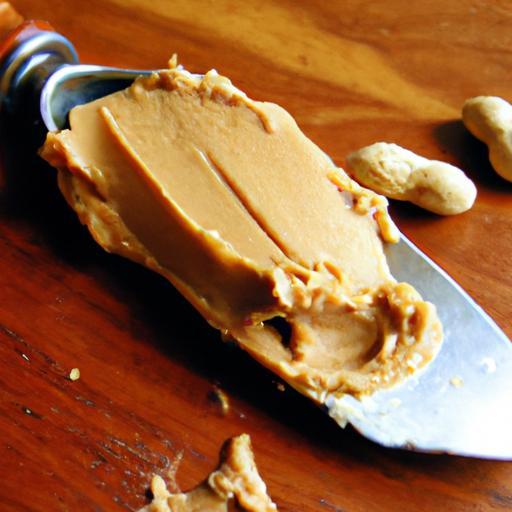
There’s something irresistibly enchanting about peanut butter-a humble spread that has quietly woven itself into the fabric of kitchens around the world.From childhood sandwiches to gourmet desserts, this creamy, nutty marvel transcends mere flavour to become a symbol of comfort, versatility, and culinary creativity. In ”The Nutty Wonder: Exploring the Magic of Peanut Butter,” we delve into the interesting history, health benefits, and surprising uses of this beloved pantry staple. Join us as we unravel the secrets behind peanut butter’s enduring charm and discover why it continues to capture the hearts-and taste buds-of millions.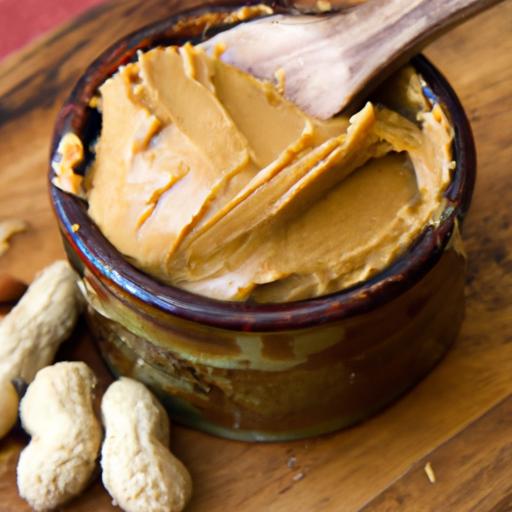
The Rich History and Cultural Journey of Peanut Butter
The Nutty Wonder has woven its way through cultures and kitchens,evolving from ancient Andean traditions to a beloved pantry staple around the globe. This creamy delight, rooted in centuries of innovation and discovery, delights taste buds with its rich, velvety texture and irresistible aroma. I vividly recall my first homemade batch, where the simple combination of roasted peanuts and a touch of salt transformed into a luscious spread that felt like a warm hug-pure magic in every bite.
Prep and Cook Time
Prep: 10 minutes | Cook: 15 minutes | Total: 25 minutes
Yield
Approximately 1 ½ cups of fresh peanut butter
Difficulty Level
Easy
Ingredients
- 2 cups raw peanuts, shelled
- 1/2 teaspoon fine sea salt (adjust to taste)
- 1 tablespoon honey or pure maple syrup (optional for subtle sweetness)
- 1-2 tablespoons peanut oil or neutral oil (optional for creamier texture)
The Nutty wonder: Step-by-Step Instructions
- Roast the Peanuts: preheat your oven to 350°F (175°C). Spread raw peanuts evenly on a baking sheet. Roast for 12-15 minutes, stirring halfway through to ensure even browning. They should be golden and fragrant.
- Cool Slightly: Allow the peanuts to cool for 5 minutes to avoid overheating your food processor.
- Process the Peanuts: Transfer roasted peanuts into a food processor. Pulse vigorously-first, they’ll become crumbly, then form a thick paste. Continue blending for about 3-5 minutes.Be patient; the oils will release, making the mixture creamy.
- Add Salt and Sweetener: Sprinkle in the sea salt and honey or maple syrup if used. Blend again to fully incorporate the flavors.
- Adjust Texture: If you prefer a silkier consistency, slowly drizzle in peanut oil until desired smoothness is reached.
- Final Taste & Store: Taste your peanut butter and adjust salt or sweetness as needed. Transfer to a clean jar with a tight lid and refrigerate. It will keep fresh for up to 3 weeks.
chef’s Notes
- Crunchy Variation: Reserve 1/4 cup of roasted peanuts. Roughly chop and fold into the creamy butter at the end for delightful texture contrast.
- Oil Alternatives: if peanut oil is unavailable, use mild olive oil or sunflower oil to adjust creaminess.
- Make-Ahead Tip: This homemade spread tastes even better after resting overnight, allowing flavors to meld perfectly.
- Troubleshooting: If the peanut butter feels dry or crumbly, keep blending longer and add oil gradually; natural peanut oils release slowly.
Serving Suggestions
Spread this luscious peanut butter on warm toast and top with a sprinkle of chia seeds for crunch. For a decadent twist, drizzle with dark chocolate shavings or swirl into your morning smoothie bowl. It also shines as a dipping sauce base for fresh apple slices or celery sticks-simple, wholesome, and irresistible. Garnish with a pinch of sea salt or a dash of cinnamon for an elegant finish.

Nutritional Information
| Serving Size | Calories | Protein | Carbohydrates | Fat |
|---|---|---|---|---|
| 2 tbsp (32g) | 190 | 8g | 6g | 16g |
Learn More About Peanut Butter’s Versatility
For exciting recipes that incorporate this nutty, creamy ingredient, check out our best peanut butter desserts for delicious inspirations. For additional in-depth knowledge on peanuts and their global impact, the National Peanut Board offers authoritative insights and resources.
Unlocking the Nutritional powerhouse Behind the Creamy Spread
Peanut butter stands as a true staple for both nutrition enthusiasts and comfort food lovers alike. This nutty wonder packs an impressive punch of protein, healthy fats, and essential vitamins, making it a versatile ingredient beyond just a simple sandwich spread. Originating from the ancient roasted peanuts first crafted by Indigenous peoples of the Americas, peanut butter has evolved into a modern kitchen treasure, celebrated for its rich texture and deeply satisfying flavor.
Whether you’re looking to boost your breakfast,fuel your mid-day snack,or add a luscious twist to desserts,understanding how to bring this creamy marvel to life at home is key. Homemade peanut butter not only elevates freshness but allows you to control the intensity and texture, from silky smooth to delightfully crunchy.
Prep and cook Time
- Prep Time: 5 minutes
- Cook Time: 10 minutes (roasting peanuts)
- Total Time: 15 minutes
Yield
Approximately 1 cup of freshly made peanut butter
Difficulty Level
Easy – Perfect for beginners and seasoned cooks alike
Ingredients
- 2 cups raw shelled peanuts
- 1 tablespoon neutral oil (e.g., grapeseed or sunflower oil)
- 1/2 teaspoon fine sea salt
- 1 tablespoon natural honey or pure maple syrup (optional, for a touch of sweetness)
Instructions
- preheat your oven to 350°F (175°C).Spread the raw peanuts evenly on a baking sheet lined with parchment paper.
- Roast the peanuts for 8-10 minutes, stirring halfway through to ensure even browning. Look for a golden hue and irresistible nutty aroma.
- Allow the peanuts to cool slightly for about 5 minutes to avoid overheating your food processor.
- transfer the warm peanuts to a high-powered food processor. Pulse initially to break down the peanuts, then process continuously. Be patient: the peanuts will go from crumbly to pasty, and finally to a creamy butter stage, approximately 5-7 minutes.
- Add the oil slowly to help smooth the texture, followed by the salt and honey or maple syrup if using. Blend again until everything is fully incorporated. Adjust salt or sweetness to taste.
- Transfer your homemade peanut butter into a sterilized jar or container. Store in the refrigerator for up to 3 weeks.
Tips for Success
- Roast evenly: Stirring your peanuts during roasting prevents burning and develops a richer flavor.
- Texture control: For crunchy peanut butter, reserve 1/4 cup of roasted peanuts, chop roughly, and fold in after processing.
- Oil alternatives: To keep it oil-free, skip the added oil, but expect a slightly thicker consistency.
- Make ahead: This peanut butter improves in flavor after resting a day in the fridge, allowing the oils to meld perfectly.
- Troubleshooting: If the peanut butter seems dry, add a teaspoon of warm water or more oil, blending gently until smooth.
Serving Suggestions
This creamy peanut butter shines on fresh bread, swirled into morning oats, or as a luscious dip for sliced apples and celery. for an elegant touch, drizzle with dark honey and sprinkle with toasted chia seeds or crushed almonds. Peanut butter also creates an irresistible base for sauces in savory dishes, pairing beautifully with grilled chicken or roasted vegetables.

| Nutrient | Per 2 Tbsp serving |
|---|---|
| Calories | 190 kcal |
| Protein | 8 g |
| Carbohydrates | 7 g |
| Fat | 16 g (mostly healthy fats) |
For more delightful ways to incorporate this ingredient into your kitchen, check out our detailed guide on Healthy Snacking with Peanut Butter.To deepen your understanding of peanut nutrition and health benefits, the British Nutrition Foundation offers excellent resources.
Creative Culinary Uses that Transform Everyday Recipes
Peanut butter is one of those incredibly versatile ingredients that can transform the ordinary into unusual with just a spoonful. Its rich, nutty profile brings depth and creaminess to both savory and sweet dishes, making it a true secret weapon in the kitchen.Whether you want to elevate a classic sauce, enrich your morning smoothie, or create an indulgently creamy dessert, peanut butter offers a delicious twist that’s as approachable as it is indeed inspiring.
Prep and Cook Time
Prep Time: 10 minutes
Cook Time: 15 minutes
Yield
Serves 4 as a main course or 6 as a side/snack
Difficulty Level
Easy – perfect for home cooks of all skill levels
Ingredients
- 1/2 cup creamy peanut butter (natural, unsweetened preferred)
- 2 tablespoons soy sauce (or tamari for gluten-free)
- 1 tablespoon honey or pure maple syrup
- 1 teaspoon freshly grated ginger
- 2 cloves garlic, minced
- 1/2 teaspoon red chili flakes (optional, for heat)
- 1 tablespoon toasted sesame oil
- 1/4 cup warm water (to thin the sauce)
- 1 tablespoon rice vinegar
- 2 cups cooked noodles (rice noodles or whole wheat)
- 1 cup julienned carrots
- 1 cup thinly sliced cucumber
- 2 green onions, sliced
- 1/4 cup chopped fresh cilantro
- 1/4 cup chopped roasted peanuts, for garnish
Instructions
- Prepare the sauce: In a medium bowl, whisk together the peanut butter, soy sauce, honey, grated ginger, garlic, chili flakes, toasted sesame oil, rice vinegar, and warm water until smooth and creamy. adjust water for desired consistency.
- Cook noodles: Prepare noodles according to package instructions. Drain and rinse under cold water to stop cooking and set aside.
- Combine vegetables: In a large mixing bowl, toss the cooked noodles with julienned carrots, cucumber slices, green onions, and half the chopped cilantro.
- Dress the noodles: Pour the peanut butter sauce over the noodle and vegetable mix. Gently toss until everything is coated in the creamy sauce.
- Serve and garnish: Divide noodle salad into serving bowls and sprinkle with chopped roasted peanuts and remaining fresh cilantro for a burst of color and crunch.
- Optional: Serve chilled or at room temperature, perfect for a speedy lunch or light dinner.
Tips for Success
- For a vegan version, swap honey for maple syrup or agave nectar without changing flavor balance.
- If the peanut butter sauce thickens after refrigeration, simply whisk in a splash of warm water before serving to restore creaminess.
- Use natural or unsweetened peanut butter to avoid overpowering sweetness; it also keeps the sauce rich and clean-tasting.
- Boost protein by adding grilled chicken breast or firm tofu cubes as optional mix-ins.
- Make ahead by preparing the peanut butter sauce and chopping vegetables the night before-assemble just before eating to maintain freshness.
- For an extra layer of flavor, drizzle toasted sesame seeds on the finished dish.
Serving Suggestions
This peanut butter noodle salad shines on its own, but it’s equally delightful atop a bed of crisp lettuce or served alongside a crunchy Asian-style slaw.Garnish with lime wedges for a citrus zing that contrasts beautifully with the sauce’s creamy nuttiness. Pair with a refreshing iced green tea or a cucumber mint water for a balanced meal experience.

| nutrient | Per Serving |
|---|---|
| Calories | 420 kcal |
| Protein | 15 g |
| Carbohydrates | 50 g |
| Fat | 18 g |
Discover more innovative peanut butter recipes and how-to tips in our peanut butter smoothie guide, or explore the rich history and nutritional science behind this powerhouse ingredient at the British Nutrition Foundation.
Choosing and Storing Peanut Butter for Maximum Freshness and Flavor
is an art form every peanut butter enthusiast should master. The richness, texture, and unmistakable aroma of peanut butter elevate countless dishes, and understanding the nuances of selecting the right jar and preserving it properly is key
to enjoying this nutty treasure at its peak. Whether you prefer creamy or crunchy, natural or fortified with extra oils, each variety has its own story and best practices for storing to ensure your spoonfuls remain luscious and vibrant.
Understanding Peanut Butter Varieties for Optimal selection
When exploring the magic of peanut butter, start by identifying what you crave in texture and taste. Natural peanut butter showcases pure roasted peanuts, usually separated with natural oils floating on top, demanding a good stir before use. It’s rich, slightly earthy, and utterly fresh. Commercially processed peanut butter often contains stabilizers and hydrogenated oils to maintain creaminess and shelf stability, making it an accessible choice for those seeking convenience without sacrificing flavor.
Choosing organic or no-added-sugar versions can infuse your culinary creations with wholesome goodness, especially if you’re adding it to smoothies, sauces, or baked goods. Always check the ingredient list-ideally, it should include just peanuts and maybe a pinch of salt for that classic hint of savor.
Seal the Flavor: Storing Peanut Butter Like a Pro
Once you’ve selected the perfect peanut butter, preserving its freshness is paramount to savor its rich, nutty essence. Store your peanut butter in a cool, dark place away from heat and light to prevent the oils from going rancid. Natural peanut butter benefits immensely from refrigeration after opening, as this slows oxidation and oil separation – but remember, refrigerated natural peanut butter tends to thicken and requires stirring before use.
For creamy, commercial varieties, room temperature is generally acceptable until opened. Using a dry, clean spoon each time avoids introducing moisture or contaminants that can spoil the spread prematurely. If you see any changes in color, smell, or texture such as mold or an off odor, discard the jar immediately.
Prep and Cook time
- Preparation Time: 5 minutes
- Cook Time: Not applicable
Yield
About 1 cup of perfectly stored peanut butter ready to inspire your recipes and snacks.
Difficulty Level
Easy – Mastering peanut butter selection and storage requires minimal effort but yields maximum flavor benefits!
Ingredients
- 1 jar high-quality natural or commercial peanut butter, creamy or crunchy based on preference
- small dry spoon or spatula for scooping
- Storage container (optional for transferring to airtight tubs)
Instructions
- Inspect your peanut butter upon purchase. Ensure the jar is sealed tightly, with no dents or leaks.
- Transfer peanut butter to an airtight container if you plan to store it long-term or if the original jar feels cumbersome to reseal.
- Keep it in a cool, dark cupboard if unopened or if using commercial stabilized peanut butter; refrigerated storage is optional here.
- Refrigerate opened natural peanut butter jars to prevent oil separation and rancidity; expect thicker consistency.
- Use a dry spoon for each serving to avoid moisture contamination, which can encourage mold growth.
- Stir natural peanut butter well before each use to reincorporate oils and maintain creamy texture.
Tips for Success
- to restore chilled natural peanut butter to a spreadable state, let it sit at room temperature for 10-15 minutes or briefly warm the jar in a bowl of warm water, avoiding direct heat.
- For crunchy varieties,gentle stirring can prevent large clumps of peanut chunks from settling,creating an evenly textured spread.
- If you prefer standing oils, opt for a peanut butter with added stabilizers, but for utmost natural flavor, stirring fresh oil on the top each time enhances your experience.
- Don’t forget to check the expiration date-peanut butter can last many months if stored correctly, but freshness always wins in flavor intensity.
Serving Suggestions
Enjoy your peanut butter as a luxurious spread on whole grain toast topped with sliced bananas and a drizzle of honey for a wholesome start to your day. It pairs brilliantly with fresh apple slices or celery sticks as a simple, energizing snack. For a delightful twist,combine it with Greek yogurt and a sprinkle of cinnamon for a creamy dip. garnish with crushed toasted peanuts or a light dusting of cocoa powder to elevate desserts or smoothie bowls visually and texturally.
| Nutrient | Amount per 2 tbsp |
|---|---|
| Calories | 190 |
| Protein | 8g |
| Carbohydrates | 7g |
| Fat | 16g |
For more nutty inspiration, check out our curated peanut butter dessert recipes and dive deeper into unique ways to enjoy this versatile ingredient. To learn about the science behind peanut butter manufacturing and preservation, visit the FDA’s food safety resources.

Q&A
Q&A: The Nutty Wonder - Exploring the Magic of Peanut Butter
Q1: What makes peanut butter such a beloved staple in kitchens worldwide?
A: Peanut butter’s charm lies in its perfect blend of creamy richness and subtle sweetness, creating a comforting flavor that appeals to all ages. Beyond taste, it’s incredibly versatile, offering a nutritious boost with protein, healthy fats, and essential vitamins. This nutty spread effortlessly transforms simple snacks or meals into satisfying delights, making it a pantry superstar.
Q2: How did peanut butter come to be such a popular food item?
A: Peanut butter’s story began in the late 19th century when innovators sought a protein-rich food accessible to many. Originally promoted as a health food, it quickly gained traction due to its affordability and long shelf life. Over time, creative recipes and cultural adaptations helped cement peanut butter as a comfort food and culinary staple across continents.
Q3: What nutritional benefits does peanut butter offer?
A: Peanut butter is a powerhouse of nutrients. It provides heart-healthy monounsaturated fats, plant-based protein, fiber, and critically important vitamins like vitamin E, magnesium, and potassium. These nutrients support muscle repair, heart health, and sustained energy, making peanut butter a smart choice for those seeking both indulgence and nourishment.
Q4: Can peanut butter be used beyond just spreading on bread?
A: Absolutely! Peanut butter’s creamy texture and rich flavor invite endless culinary creativity. It can thicken and enrich smoothies, serve as a base for savory sauces and marinades, blend into baked goods for moisture and depth, and even elevate vegetable dishes with its subtle sweetness. Its magic adapts seamlessly from breakfast to dinner and snack time to dessert.
Q5: What are some unique cooking tips for using peanut butter?
A: when cooking with peanut butter,consider its oil content to balance consistency in recipes-sometimes a little extra liquid or dry ingredient adjustment is needed. Toasting peanut butter briefly can amplify its nutty aroma. Pairing it with ingredients like coconut milk, fresh lime, or chili flakes creates harmonious flavor contrasts that surprise and delight the palate.
Q6: How can peanut butter fit into plant-based or allergen-conscious diets?
A: Peanut butter is naturally plant-based and can be a crucial protein source for vegans and vegetarians. For allergen-aware cooking, while peanut allergies are common, many seek alternatives like almond or sunflower seed butter; though, peanut butter remains a top choice for those without sensitivities. Always ensure cross-contamination is avoided in shared kitchens.
Q7: What’s a fun fact about peanut butter that few peopel know?
A: Did you know that astronauts have enjoyed peanut butter in space? Its dense nutrition and non-crumbly texture make it an ideal food for zero-gravity environments, where mess and waste are critical concerns. So, peanut butter isn’t just a kitchen hero-it’s a cosmic companion too!
Q8: How does the type of peanut butter (creamy vs. crunchy) influence its use in recipes?
A: Creamy peanut butter offers smooth consistency, perfect for sauces, dressings, and silky desserts. Crunchy peanut butter adds texture and a delightful nutty “bite,” making it ideal for baked goods, granola bars, or as a topping on oatmeal and yogurt. Choosing between them depends on whether you want to emphasize smoothness or crunch in your dish.
Q9: What’s the best way to store peanut butter to keep it fresh?
A: Store peanut butter in a cool, dry place away from direct sunlight. natural peanut butter varieties may require refrigeration to prevent oil separation and extend freshness, while commercial brands with stabilizers typically do well at room temperature. Stir natural peanut butter regularly to keep the texture consistent and avoid dryness.
Q10: How has peanut butter influenced popular culture?
A: Peanut butter has permeated music, literature, and art, symbolizing comfort, nostalgia, and simple pleasures.from catchy jingles to iconic sandwiches, it frequently enough represents wholesome Americana and childhood memories. Its cultural presence underscores not just a food’s flavor, but its ability to connect generations through shared experiences.
The Conclusion
As we spread the final layer of insight on our journey through the delightful world of peanut butter,one thing is clear: this humble nutty concoction is far more than just a sweet or savory spread. It’s a culinary chameleon, a nutritional powerhouse, and a cultural icon all rolled into one creamy, crunchy jar of magic. Whether dolloped on toast,blended into smoothies,or starring in decadent desserts,peanut butter continues to capture hearts and palettes around the globe. So next time you reach for that jar, remember-you’re not just savoring a snack; you’re partaking in a rich tradition of flavor, innovation, and irresistible charm that makes peanut butter truly nutty and wonderfully unforgettable.