
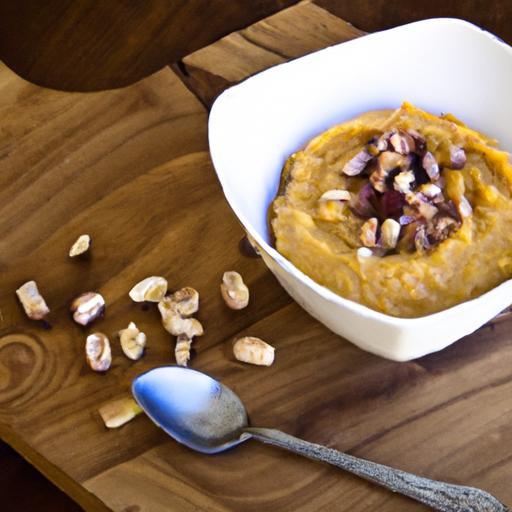
Beneath its smooth, luscious texture and unmistakable golden hue lies a story as rich and layered as peanut butter itself. This humble spread, beloved by millions worldwide, has journeyed far from its humble legume origins to become a pantry staple and cultural icon. But what exactly whipped peanut butter into the creamy sensation it is indeed today? Join us as we dive into the nutty history,innovative craftsmanship,and surprising twists that have spread peanut butter’s fame far beyond the jar-revealing the flavorful tale behind every velvety spoonful.

Origins of Peanut Butter and Its Rise to Culinary Stardom
The Creamy Story Behind Peanut Butter’s nutty Fame begins over a century ago with humble origins rooted in innovation and resourcefulness. Originally crafted as a protein-rich alternative for those who struggled to chew meat, peanut butter quickly transformed from a medicinal curiosity to a beloved pantry staple worldwide. As the smooth, roast-enhanced texture and nutty aroma captured taste buds, its culinary applications grew beyond simple spreads, inspiring everything from savory sauces to decadent desserts. This creamy concoction not only satisfies cravings but also composes a rich narrative of cultural adaptation, agricultural influence, and modern gastronomy.
Prep and Cook Time
- preparation: 10 minutes
- Cooking: 5 minutes
- total Time: 15 minutes
Yield
Approximately 1 cup of smooth homemade peanut butter
Difficulty Level
easy
Ingredients
- 2 cups raw shelled peanuts (unsalted, skin removed for a creamier texture)
- 1 tbsp peanut oil (or any neutral oil)
- 1 tsp fine sea salt (adjust according to taste)
- 1-2 tbsp honey (optional, for a touch of natural sweetness)
Instructions
- Preheat the oven to 350°F (175°C). Spread the raw peanuts evenly on a baking sheet lined with parchment paper.
- Roast the peanuts for about 10 minutes, tossing halfway through to ensure even browning. Look for a rich golden color and a warm, nutty aroma.
- Allow the peanuts to cool for 5 minutes to prevent overheating your food processor, which can affect texture.
- Transfer the warm peanuts to a food processor. Pulse initially to break down the nuts, then run the processor continuously for about 3-5 minutes. Stop occasionally to scrape down the sides.
- Add the peanut oil and salt after the peanuts turn into a crumbly paste. Continue processing until creamy and smooth, approximately 2 minutes.
- blend in honey if you prefer a subtle sweetness. Taste and adjust seasoning accordingly.
- Transfer your homemade peanut butter to an airtight jar and refrigerate for up to 3 weeks. Stir before each use if natural oil separation occurs.
Chef’s Notes
- Texture variation: For crunchy peanut butter, reserve ¼ cup of roasted peanuts, chop coarsely, and fold in during the final step.
- Oil substitution: Use peanut oil to maintain flavor integrity; othre neutral oils like grapeseed work but may dilute nuttiness.
- Make-ahead tip: Homemade peanut butter tastes even better after resting overnight as flavors meld and the texture thickens slightly.
- Allergy alert: Substitute with roasted almonds or cashews for a nut-free alternative.
- Troubleshooting: If the mixture is too thick, add a teaspoon of warm water or oil incrementally to reach your desired consistency.
Serving Suggestions
This luscious peanut butter shines as a spread on toasted multigrain bread, drizzled atop stack of banana pancakes, or swirled into morning oatmeal for a protein boost. Garnish with a sprinkle of crushed peanuts or a pinch of flaky sea salt to enhance sensory appeal. For an adventurous twist, incorporate into Thai peanut sauce recipes to elevate weeknight dinners, pairing beautifully with grilled chicken or fresh vegetables.Brighten presentation with colorful microgreens or thinly sliced chili, creating contrasts that are both visually inviting and palate-pleasing.

Nutritional Data (per 2 tbsp)
| calories | Protein | carbs | Fat |
|---|---|---|---|
| 190 kcal | 8 g | 6 g | 16 g |
for further fascinating food history, explore our comprehensive guide to nut butters, or dive into external insights from the National Peanut Board to learn about peanut cultivation and heritage.
Crafting the Perfect Creamy Texture Understanding Ingredients and Techniques
Crafting the perfect creamy texture is the secret to elevating peanut butter beyond just a mere spread-it’s a luscious experience that delights both the palate and the senses. understanding the interplay of ingredients and techniques unlocks the magic behind that smooth, velvety texture that defines peanut butter’s nutty fame.
Prep and Cook Time
- preparation: 10 minutes
- Cooking/Processing: 12 minutes
- Total Time: 22 minutes
Yield
Approximately 1 1/2 cups of creamy homemade peanut butter
Difficulty Level
Easy – perfect for beginner and intermediate home cooks looking to master texture and flavor.
Ingredients
- 2 cups raw or dry-roasted peanuts (unsalted for full flavor control)
- 1 tablespoon neutral oil (e.g., peanut oil or light vegetable oil)
- 1/2 teaspoon fine sea salt (adjust to taste)
- 1 to 2 teaspoons honey or maple syrup (optional for subtle sweetness)
- 1/4 teaspoon ground cinnamon (optional, for warm undertones)
Instructions
- Roast the peanuts: If starting with raw peanuts, spread them evenly on a baking sheet and roast at 350°F (175°C) for 8-10 minutes, until fragrant and lightly golden. Roasting is key to developing that rich, nutty flavor and is the foundation of great texture.
- Cool slightly: Let the roasted peanuts rest for 5 minutes so they don’t overly heat the processor, which can cause oil separation afterward.
- First grind: Transfer the warm peanuts to a food processor and pulse repeatedly until broken down into coarse crumbs. This usually takes about 1 minute. This step builds the base texture.
- Begin creaming: Run the food processor continuously for 3-4 minutes to encourage the oils to release and the peanuts to transform into a thick paste. Stop occasionally to scrape down the sides to ensure even blending.
- Add oil and salt: Slowly add 1 tablespoon of neutral oil while the processor runs, helping to loosen the mixture and build smoothness. Incorporate salt, honey, and cinnamon at this stage for flavor balance.
- Refine the creaminess: Continue processing for another 3-4 minutes until the peanut butter achieves a luscious, creamy consistency. For chunkier texture, reserve 1/4 cup peanuts to stir in by hand after processing.
- Store: Transfer freshly crafted peanut butter into an airtight jar and refrigerate. It will thicken slightly when chilled but remain creamy and spreadable.
Tips for success
- Use fresh peanuts for the best natural oils and flavor. Avoid peanuts that smell musty or stale.
- Control oil addition carefully-too much oil leads to greasy texture; too little can yield a dry or crumbly butter.
- If you don’t have a powerful food processor,blend in shorter bursts to prevent overheating and continue scraping sides often.
- To create a savory twist, try a pinch of smoked paprika or a dash of cayenne pepper for subtle heat.
- The addition of a natural sweetener like honey is completely optional but offers balance to the nut’s earthiness.
- This peanut butter keeps well refrigerated for 3-4 weeks-always stir before each use as oil can separate naturally over time.
Serving Suggestions
The freshly whipped creamy peanut butter shines brightest atop warm toast with sliced bananas and a sprinkle of chia seeds for crunch. It’s also divine swirled into oatmeal or smoothies for natural richness. For a stunning visual and flavor boost, garnish with crushed toasted peanuts or a drizzle of honey, making every bite a delight to both eyes and palate.

| Nutrient | Per 2 tbsp |
|---|---|
| Calories | 190 |
| Protein | 8g |
| Carbohydrates | 7g |
| Fat | 16g |
Explore more about mastering nut-based spreads in our in-depth guide on Nuts and Spreads 101: From Crunch to Cream.For nutritional benefits and peanut allergy insights, visit the Food Allergy Research & Education website.
Health Benefits and Nutritional Secrets of Peanut Butter Explored
Unlocking Peanut Butter’s Power: Nutrition and Benefits to Inspire Your Cooking
Peanut butter, with its rich, velvety texture and irresistible nutty aroma, is one of those versatile pantry heroes that effortlessly combines indulgence with nourishment. The focus keyword “peanut Butter” heralds a culinary journey that celebrates not only its luscious flavor but also the remarkable health benefits and nutritional secrets that make it a superfood superstar.Whether you’re spreading it generously on toast or incorporating it into vibrant recipes, understanding peanut butter’s nutritional profile empowers you to create smarter, more satisfying dishes.
Originating from the Americas and popularized globally, peanut butter has evolved beyond just a kid’s favorite snack into a wellness-supporting ingredient packed with nutrients that promote heart health, sustained energy, and muscle recovery. Let’s dig deeper into why this creamy, nutty delight deserves a permanent spot in your kitchen and how you can harness its benefits in everyday meals.
Prep and Cook Time
- Preparation: 5 minutes
- Cooking: No cooking required for basic use; 10-15 minutes if incorporated into cooked dishes
Yield
Approximately 1 cup of creamy peanut butter used per recipe
Difficulty Level
Easy – perfect for both kitchen novices and seasoned chefs alike
Ingredients
- 1 cup roasted peanuts (unsalted, skin removed for creamier texture)
- 1 tablespoon peanut oil (or any neutral oil like grapeseed oil)
- 1/2 teaspoon sea salt (adjust to taste)
- 1 tablespoon honey or maple syrup (optional, for sweetness)
- Water, as needed for desired consistency
Instructions
- Prepare your peanuts: If starting with raw peanuts, roast on a baking sheet at 350°F (175°C) for 10-12 minutes until golden and fragrant. Allow to cool completely before processing.
- Blend to perfection: Place the roasted peanuts in a food processor and pulse until finely chopped. Scrape down the sides regularly to ensure even blending.
- Add oil and salt: Gradually add the peanut oil and sea salt while the processor runs. This helps achieve a creamy, spreadable texture.
- Sweeten and adjust: Incorporate honey or maple syrup if you prefer a touch of sweetness. Add water, one tablespoon at a time, blending between additions, until the peanut butter reaches your desired consistency.
- Store it properly: Transfer your homemade peanut butter into an airtight container and refrigerate. Stir before each use to maintain creaminess.
tips for Success
- For crunchy peanut butter, reserve 1/4 cup roasted peanuts after blending and gently fold them in at the end.
- Use fresh, high-quality peanuts for the best flavor and optimal nutrition – fresher nuts yield more vibrant taste and creamier texture.
- Control sweetness and saltiness by adjusting honey and salt quantities to your preference.
- Make ahead and store in the fridge for up to 2 weeks for peak freshness and to minimize oil separation.
- If the peanut butter hardens in the fridge, bring it to room temperature and stir gently before use.
- Try substituting peanut oil with almond or avocado oil for a slight flavor shift.
Serving Suggestions
Peanut butter’s creamy richness pairs beautifully with a myriad of flavors and textures. Hear are some inspired ideas to elevate your experience:
- Spread thickly on toasted whole-grain bread and top with sliced bananas and a sprinkle of chia seeds.
- Drizzle over warm oatmeal or blend into smoothies for added protein and creaminess.
- Use as a base for savory satay sauces by mixing with soy sauce, lime juice, and fresh chili.
- Dip crunchy apple slices or celery sticks into peanut butter for a wholesome snack.
- Garnish desserts with a dollop of peanut butter whipped cream and crushed roasted peanuts for texture and flair.

| Nutrient | Amount per 2 Tbsp | Health Benefit |
|---|---|---|
| Calories | 190 kcal | Energy-rich to fuel active lifestyles |
| Protein | 8 g | Supports muscle repair and growth |
| Carbohydrates | 6 g | Provides sustained energy release |
| Healthy Fats | 16 g | Promotes heart health and satiety |
Peanut butter’s versatility and rich nutrient profile can be an indispensable part of a balanced diet. For a deeper dive into how peanut butter fits into a heart-healthy lifestyle,visit the american Heart Association’s guide on healthy fats.
Ready to explore more peanut-inspired delights? Check out our Peanut Butter Energy Balls recipe for no-bake snacks perfect for on-the-go.
Tips for Choosing Quality Peanut Butter and Creative Ways to Enjoy It
Choosing quality peanut butter is an art in itself, and mastering it can transform everyday meals into somthing truly extraordinary. From its rich, creamy texture to the deep nutty aroma, the best peanut butter elevates flavors and offers a wholesome dose of satisfaction. Whether you reach for a classic creamy jar or an adventurous, crunchy variety, understanding how to select superior peanut butter ensures every bite sings with authenticity and natural goodness.
prep and cook Time
- Preparation: 5 minutes
- Cook Time: None
- Total Time: 5 minutes
Yield
Serves 4-6 people (depending on usage)
Difficulty Level
Easy
Ingredients for Creating Peanut Butter Bliss
- 1 cup high-quality peanut butter (preferably natural,no added sugar or hydrogenated oils)
- 2 tablespoons honey or pure maple syrup (to complement nuttiness)
- 1 teaspoon flaky sea salt (adjust to taste)
- 1/4 cup raw peanuts,roughly chopped (for extra texture)
- Fresh fruit slices (such as apple or banana) for pairing
- Whole wheat bread or crackers for serving
- Optional: 1 teaspoon cinnamon (for a warm,spicy twist)
Instructions
- Choose your peanut butter wisely. If it’s natural, stir well to reincorporate peanut oils for smooth, creamy consistency.
- Combine the peanut butter and honey (or maple syrup) in a bowl, stirring gently until the mixture is glossy and slightly fluid-making it easier to spread and blend.
- Fold in the flaky sea salt and cinnamon (if using) carefully, tasting as you go to balance the sweet and savory notes perfectly.
- transfer the peanut butter mixture into a serving bowl.Sprinkle the chopped raw peanuts on top to add a satisfying crunch.
- Serve with fresh fruit slices and your choice of whole wheat bread or crackers for a nutritious and visually appealing snack. Arrange the fruit in overlapping layers to create a vibrant contrast of colors.
- For a creative twist, try spooning this peanut butter mixture into celery sticks or drizzling it over oatmeal or smoothie bowls for breakfast either a sweet or savory option.
Tips for Success
- opt for natural peanut butter: Look for labels with minimal ingredients-just peanuts and salt for the purest taste and texture.
- Texture matters: If your peanut butter is too thick, warm it slightly in a microwave-safe container for 10 seconds to loosen up without overheating.
- Homemade touch: Consider roasting raw peanuts yourself to make peanut butter with a truly fresh, nutty aroma.
- mix-ins spotlight: Beyond cinnamon,spices like nutmeg or a pinch of cayenne can bring surprising warmth and depth.
- Make-ahead tip: Prepare this peanut butter blend a day in advance and refrigerate-it will only deepen in flavor and firm up to a perfect spreadable texture.
Serving Suggestions to wow Your Taste Buds
Transform simple ladlefuls of peanut butter into an elegant treat by pairing with vibrant fruit platters or artisan toasts. A drizzle of raw honey or a shower of toasted coconut flakes adds splendid contrast and texture. for a savory option, try spreading it on grainy crackers topped with thinly sliced cucumber and a sprinkle of chili flakes. This unexpected twist not only pleases the eye but awakens the palate with each layered bite.

| Nutrient | Per 2 tbsp Serving |
|---|---|
| Calories | 190 |
| Protein | 8 g |
| Carbohydrates | 7 g |
| Fat | 16 g |
For more inspiration on nutty delights and wholesome spreads, check out our Creative Nut Butter Recipes. To deepen your knowledge on peanut butter’s nutritional benefits, visit The Nutrition Society.
Q&A
Q&A: The Creamy Story Behind Peanut Butter’s Nutty Fame
Q1: How did peanut butter become such a beloved spread around the world?
A1: Peanut butter’s journey to fame began in the late 19th century, when innovative food pioneers sought a nutritious paste that was easy to consume and store. Initially embraced for its protein-packed benefits, peanut butter quickly won hearts with its creamy texture and rich flavor. its rise to fame was fueled by mass production, clever marketing, and its versatility-from breakfast toast to snacks and baking staples.Q2: What makes peanut butter so unique compared to other nut butters?
A2: Peanut butter stands out as of its distinct balance of creamy richness and earthy sweetness. Peanuts have a naturally high oil content, which, when ground, creates that luscious, smooth texture many adore. Its flavor profile offers a comforting nutty warmth that’s concurrently bold and familiar, setting it apart from almond or cashew butters with their subtler notes.
Q3: Were peanuts always eaten as a butter-like spread?
A3: Not quite! Peanuts have been enjoyed for centuries in various forms, from roasted snacks to peanut oils used in cooking. However,the concept of grinding peanuts into a paste as a butter originated in the late 1800s. Early inventors were inspired by similar pastes made from other nuts and legumes, but peanut butter’s creamy appeal soon stole the spotlight.
Q4: How did the invention of peanut butter impact nutrition and diets?
A4: Peanut butter was revolutionary in providing affordable, plant-based protein and healthy fats in an accessible form. It offered an energy-dense option perfect for growing children, athletes, and those needing sustenance during physically demanding tasks. Its shelf stability and versatility also helped bridge nutrition gaps during times when fresh foods were scarce or expensive.
Q5: why is peanut butter frequently enough described as “comfort food”?
A5: There’s something deeply nostalgic and soothing about peanut butter-the way it melts on warm bread or blends seamlessly into a creamy smoothie. Its rich, nutty aroma can evoke childhood memories and simple pleasures. The comforting texture and familiar taste make it a favorite for both wholesome snacks and indulgent treats.Q6: What role did innovation play in peanut butter’s rise to popularity?
A6: Innovation was key! From early mechanical grinders to modern-day emulsifiers, technology refined peanut butter’s texture and shelf life. packaging improvements made it more convenient and prevented oil separation. Creative culinary uses-from the iconic peanut butter and jelly sandwich to gourmet sauces and desserts-further cemented its place in kitchens worldwide.Q7: Are there different types of peanut butter? How do they differ?
A7: Absolutely! The two main types are creamy and chunky. Creamy peanut butter is ground until silky smooth, ideal for spreading and blending, while chunky peanut butter contains bits of peanut that add crunch and texture. Additionally, natural peanut butter frequently enough lacks added sugars or hydrogenated oils, making it a purer, sometimes less smooth, option favored by health-conscious fans.
Q8: what cultural meaning does peanut butter hold in different parts of the world?
A8: Peanut butter transcends borders, adapting to local tastes and traditions. In the United States, it’s a staple comfort food; in parts of Africa and asia, peanut pastes are key ingredients in savory sauces and stews. Its global versatility reflects both the universal love for peanuts and the creative ways communities embrace this nutty spread.
Q9: Can peanut butter be enjoyed beyond just a sandwich spread?
A9: definitely! Peanut butter is a kitchen chameleon. It enriches smoothies,adds moisture and flavor to baked goods,serves as a base for dressings and sauces,and even appears in snacks like energy bars and dips. Its creamy consistency and robust flavor elevate both sweet and savory dishes in surprising and delicious ways.Q10: What should one look for when choosing the best peanut butter?
A10: The best peanut butter depends on personal preference,but quality indicators include minimal ingredients-ideally just peanuts and maybe a pinch of salt-no hydrogenated oils,and no excessive added sugar. freshness is key: look for a vibrant aroma and creamy texture. Whether you prefer smooth or chunky, natural or traditionally processed, the perfect jar is the one that satisfies your taste buds and nutritional needs.
Peanut butter’s nutty fame is a testament to its timeless appeal-from humble beginnings to a pantry essential, it continues to charm with its creamy story and wholesome goodness.
Future Outlook
From humble ancient origins to its iconic place in modern pantries, peanut butter’s journey is as rich and layered as its creamy texture. This nutty spread has transcended simple sustenance to become a symbol of comfort, innovation, and cultural connection. Every scoop tells a story-not just of peanuts, but of human ingenuity, culinary adventure, and the joy found in familiar flavors. So next time you dive into that jar, remember: you’re savoring more than just a spread-you’re tasting a century-spanning tale of nutty fame that’s as timeless as it is delicious.


