
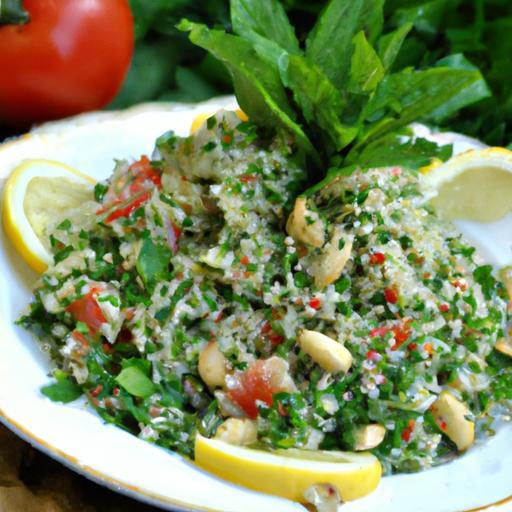
Bursting with vibrant colors adn zesty aromas, tabbouleh salad stands as a refreshing ambassador of Middle Eastern cuisine. This timeless dish dances on the palate with a harmonious blend of crisp parsley, juicy tomatoes, nutty bulgur, and the luminous tang of lemon juice and olive oil. More than just a side, tabbouleh offers a nourishing and flavorful experience that complements a wide range of meals, inviting food lovers everywhere too savor the freshness and tradition woven into every bite. In this article, we’ll explore the origins, ingredients, and irresistible appeal of tabbouleh salad – a true culinary party of health and taste.
Origins and Cultural Significance of Tabbouleh Salad
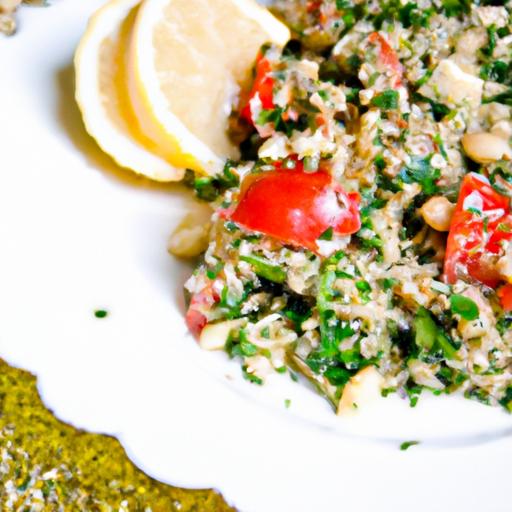
Tabbouleh Salad is more than just a refreshing Middle Eastern side-it’s a vibrant celebration of heritage and health, steeped in centuries of culinary tradition. Originating in the Levant region,this iconic salad features a colorful medley of finely chopped parsley,ripe tomatoes,and nutty bulgur wheat,all harmonized by zesty lemon juice and fragrant mint.Each bite offers a crisp, bright flavor profile that instantly transports you to sun-drenched marketplaces and lively family gatherings. This dish has long symbolized hospitality and wholesomeness, enjoyed across generations as a staple of Levantine mezze spreads.
Growing up, I fondly recall my grandmother’s meticulous chopping of fresh herbs in her sunlit kitchen, the aroma filling the air, inviting everyone to the table. It’s this balance of freshness and texture that makes the Tabbouleh Salad a universally loved dish-light yet satisfying, packed with nutrients, and endlessly adaptable to seasonal produce.
Prep and Cook Time
- Planning: 20 minutes
- Resting: 15 minutes (to allow bulgur to soften)
- Total Time: 35 minutes
Yield
Serves 6 as a refreshing side dish
difficulty Level
easy – Ideal for beginners and seasoned cooks alike
Ingredients
- 1/2 cup fine bulgur wheat
- 1 cup boiling water
- 2 large bunches fresh flat-leaf parsley,finely chopped (about 4 cups)
- 1/2 cup fresh mint leaves,finely chopped
- 3 medium ripe tomatoes,diced
- 4 green onions,thinly sliced
- 1/4 cup extra virgin olive oil
- 1/4 cup freshly squeezed lemon juice (about 2 lemons)
- Salt,to taste
- Freshly ground black pepper,to taste
Instructions
- Soak the bulgur: pour boiling water over bulgur in a heatproof bowl. Cover and let it soak for 15 minutes until tender but not mushy. Drain any excess water by pressing gently with a spoon or using a fine mesh sieve.
- Prepare the herbs and vegetables: While the bulgur softens,wash and finely chop the parsley and mint leaves. Dice the tomatoes and thinly slice the green onions, ensuring all components are uniformly cut for the best texture.
- Combine ingredients: In a large mixing bowl, gently toss the soaked bulgur with parsley, mint, tomatoes, and green onions. This step is crucial for even distribution of flavors and fresh textures.
- add dressing: Drizzle the olive oil and lemon juice over the salad. Season with salt and freshly ground black pepper. Toss gently to coat ingredients evenly, allowing the dressing to elevate every element.
- Rest before serving: Let the salad sit at room temperature for 10 minutes. This resting period lets the bulgur fully absorb flavors while preserving the crispness of the fresh herbs.
- Final taste and adjustments: Taste the salad one last time before serving to adjust seasoning or lemon juice, ensuring the perfect balance of tang and freshness.
Tips for Success
- For the freshest flavor, chop parsley and mint finely using a sharp knife, avoiding a food processor which can turn herbs mushy.
- If fine bulgur is unavailable, you can use medium grain but soak it longer, about 20 minutes.
- Keep the salad chilled if serving later, but add lemon juice and olive oil close to serving time to keep herbs vibrant.
- For a gluten-free variation, substitute bulgur with quinoa or finely chopped cauliflower for a lower-carb option.
- To intensify the citrus aroma, add a little lemon zest along with the juice.
Serving Suggestions
Serve this Tabbouleh Salad chilled or at room temperature for a perfect accompaniment to grilled meats,roasted vegetables,or stuffed grape leaves (dolmas). garnish with extra mint sprigs, a few thin lemon slices, or a scattering of pomegranate seeds for a burst of color and sweetness. Pair the salad with warm, fluffy pita bread or crisp flatbreads to scoop and savor every flavorful bite.

Nutritional Information
| Per Serving | Calories | protein | Carbs | Fat |
|---|---|---|---|---|
| 1/6 of recipe | 110 | 3g | 18g | 4g |
For an in-depth look at Middle Eastern culinary traditions and their modern twists, check out our complete guide to mezze platters. Learn more about the history of Levantine ingredients on Britannica.
Key Ingredients That Define Authentic Tabbouleh
Tabbouleh salad bursts with vibrant freshness and a harmonious blend of textures, making it one of the most beloved dishes in Middle Eastern cuisine. This classic recipe hinges on a handful of simple,yet essential ingredients that marry to create its signature bright and herbaceous character.
Salad
At the heart of tabbouleh salad lies an inspired balance between wholesome grains, fragrant herbs, and refreshing citrus. Each ingredient plays a critical role, ensuring the salad remains both nutritious and bursting with flavor. Understanding these foundational components will set you on the path to crafting a truly authentic experience.
- Finely chopped fresh parsley: The star ingredient, curly or flat-leaf parsley provides the lush, green base and effervescent aroma that defines tabbouleh. Use twice the amount of parsley compared to bulgur for a bright, herb-forward dish.
- Ripe, juicy tomatoes: Freshly diced, they offer subtle sweetness and a slight acidity that beautifully balances the earthiness of the greens.
- Mint leaves: Just a handful of fresh mint adds a whisper of coolness, elevating the salad’s fresh profile without overpowering it.
- Bulgur wheat: The nutty, chewy texture of soaked fine bulgur rounds out the body of the salad, absorbing the dressing while keeping a light bite.Soaked, not cooked, maintains the delicate crunch.
- Freshly squeezed lemon juice: This brightens every bite with zesty acidity, bringing a lively tartness that wakes up the palate.
- High-quality extra virgin olive oil: Rich and fruity, olive oil binds the ingredients together while imparting subtle, silky mouthfeel.
- Green onion or scallions: Thinly sliced for a gentle onion note without harshness,adding mild pungency and crunch.
- Salt and freshly ground black pepper: Simple seasonings that enhance and unify the flavors without stealing focus.
Each ingredient should be fresh and high-quality to fully capture tabbouleh salad’s essence: a dance of crisp textures and bright,herbaceous notes. The fine chopping technique-almost chiffonade for the herbs-ensures every forkful is a perfectly balanced medley of flavors. This careful preparation is what truly separates an average salad from a vibrant, authentic tabbouleh salad.

| Ingredient | Role in Salad | Approximate Quantity |
|---|---|---|
| Parsley | Freshness & Green Base | 2 cups, finely chopped |
| Tomatoes | Juiciness & Sweetness | 1 cup, diced |
| Mint | refreshing Herbal Note | ½ cup, finely chopped |
| Bulgur Wheat | Nutty Texture & Bulk | ½ cup, soaked |
| Lemon Juice | Bright Acidity | Juice of 2 lemons |
| Olive Oil | Smooth Richness & Binder | ¼ cup |
Discover more classic Middle Eastern recipes to pair alongside your falafel for an unforgettable culinary journey. For an in-depth history and breakdown of tabbouleh’s origins, visit Britannica.
Step by Step Guide to Preparing the Perfect Tabbouleh
Tabbouleh salad bursts with vibrant freshness and zesty flavor, making it a quintessential Middle Eastern delight that’s both nutritious and refreshing. This iconic dish from the Levant region is a delicate balance of finely chopped parsley,juicy tomatoes,and nutty bulgur wheat,all brightened with freshly squeezed lemon juice and fragrant mint.Whether it’s served as a side or a light meal, mastering this recipe will elevate your culinary repertoire and bring a splash of sunshine to any table.
Prep and Cook Time
- Preparation: 20 minutes
- Cook Time: 10 minutes (for bulgur soaking and draining)
- Total Time: 30 minutes
Yield
Serves 6 as a refreshing side dish
Difficulty Level
Easy – perfect for beginners eager to explore Middle Eastern flavors
Ingredients
- 1 cup fine bulgur wheat, rinsed and drained
- 2 cups fresh flat-leaf parsley, finely chopped (packed)
- 1/2 cup fresh mint leaves, finely chopped
- 3 medium ripe tomatoes, diced small
- 4 green onions, thinly sliced (white and green parts)
- 1/4 cup extra-virgin olive oil
- 1/4 cup freshly squeezed lemon juice (about 2 lemons)
- Salt to taste (start with 1 tsp)
- Freshly ground black pepper to taste
Instructions
- Prepare the bulgur wheat: Place the rinsed bulgur in a medium bowl and cover with 1½ cups of boiling water. Let it soak for 10 minutes until tender but still slightly chewy. Drain any excess water by pressing gently with the back of a spoon. Set aside to cool.
- Chop the herbs and vegetables: Using a sharp knife, finely chop the parsley and mint leaves to release their aromatic oils. Dice the tomatoes and slice the green onions thinly to keep the salad light and uniform in texture.
- Combine the ingredients: In a large mixing bowl, add the cooled bulgur, parsley, mint, tomatoes, and green onions. Gently toss to combine evenly without bruising the delicate herbs.
- Dress the salad: Drizzle the extra-virgin olive oil and lemon juice over the mixture. Season with salt and freshly ground black pepper. Toss again thoroughly to ensure every bite bursts with bright, balanced flavor.
- Rest and marry flavors: For optimal taste, cover the bowl and refrigerate the tabbouleh salad for at least 30 minutes before serving.This allows the bulgur to absorb the citrus and oregano-like notes of the fresh herbs.
- Final taste adjustment: Before serving, give the salad a gentle stir, and tweak salt or lemon juice to your preference, embracing that signature zesty tang that makes tabbouleh a crowd-pleaser.
Tips for Success
- Use fresh herbs: The vibrancy of tabbouleh depends largely on fresh, bright parsley and mint. Avoid dried herbs as they lack the essential oils that deliver its signature aroma.
- Fine bulgur is key: Coarse bulgur may overwhelm the delicate texture of this salad. Look for fine or extra-fine bulgur for that perfectly tender bite.
- Chop finely but gently: Use a sharp knife and avoid bruising the parsley to keep it vibrant and green, not dark or wilted.
- Make ahead: The salad can be made up to 4 hours in advance, refrigerated well-covered. Stir before serving to redistribute any settling lemon and oil.
- Customize acidity: Different lemons vary in tartness – taste as you add to balance brightness without overpowering the herbs.
Serving Suggestions
Present your tabbouleh salad as a refreshing side alongside grilled chicken kebabs, falafel, or stuffed grape leaves. Garnish with extra mint leaves and thin lemon wedges to enhance its fresh appeal. For a stunning visual contrast, serve in a rustic ceramic bowl complemented with warm pita bread for scooping. This salad also shines on vibrant mezze platters, paired with creamy hummus and smoky baba ghanoush.

| Nutrient | Per serving |
|---|---|
| Calories | 150 |
| Protein | 4g |
| Carbohydrates | 22g |
| Fat | 7g |
for those curious about bulgur and its health benefits, learn more on Healthline’s thorough guide. Also, check out our detailed Mezze platter recipes to complement this vibrant salad perfectly.
Tips for Customizing Tabbouleh to Suit Your Taste and Occasion
Tabbouleh salad is a timeless Middle Eastern classic that bursts with fresh flavors, vibrant colors, and delightful textures. its foundation lies in the delicate balance of bright herbs, juicy tomatoes, and nutty bulgur wheat, harmonized with zesty lemon and fragrant olive oil. This dish, originating from the levant region, has traveled far beyond its roots, inspiring countless variations that cater to every palate and occasion. whether you’re craving a light lunch or a crowd-pleasing side, this customizable tabbouleh salad invites creativity in your kitchen.
Prep and Cook Time
- Preparation: 15 minutes
- Soaking Bulgur: 10 minutes
- Total Time: 25 minutes
Yield
Serves 4 as a side dish
Difficulty Level
Easy
Ingredients
- ½ cup fine bulgur wheat
- 2 medium tomatoes, finely diced
- 1 large bunch fresh parsley, finely chopped (about 1½ cups)
- ½ cup fresh mint leaves, finely chopped
- 4 green onions, thinly sliced
- Juice of 2 lemons (about ¼ cup)
- 3 tablespoons extra virgin olive oil
- Salt and freshly ground black pepper, to taste
Step-by-Step Instructions
- Prepare the bulgur: Place the bulgur in a bowl and cover with cold water.Let it soak for about 10 minutes until softened but still slightly chewy. Drain thoroughly, pressing out excess water with a clean towel or fine sieve to avoid sogginess.
- Chop the herbs and vegetables: Finely dice the tomatoes, chop the parsley and mint leaves as close to the leaves as possible, and slice the green onions thinly. The finer the cut,the better the flavor melds.
- Combine the ingredients: In a large bowl, gently toss together the drained bulgur, tomatoes, parsley, mint, and green onions. Be careful to distribute everything evenly without bruising the herbs.
- Dress the salad: Drizzle the lemon juice and olive oil over the mixture. Season with salt and freshly ground black pepper to taste. toss lightly to coat everything without breaking the delicate herbs.
- Let it rest: For best flavor, allow the salad to sit for 15-20 minutes at room temperature. This helps the bulgur absorb the citrus and oils and brings the flavors into perfect harmony.
The beauty of this tabbouleh salad lies in its versatility-there’s no “one-size-fits-all” formula here. For a brighter, zestier profile, increase the lemon juice and add a touch of freshly grated garlic or sumac for sharp, smoky notes.If you prefer a milder, herb-forward experience, increase the parsley or mint and reduce the bulgur for a lighter bite.
Switch the bulgur wheat for fine couscous, quinoa, or even millet if gluten is a concern, adjusting soaking or cooking times accordingly. To boost texture and nutrition, fold in diced cucumber, toasted pine nuts, or finely chopped bell pepper-these add delightful crunch and color.
For heartier meals, serve your tabbouleh atop a bed of leafy greens or alongside grilled chicken, fish, or falafel. swap lemon juice for a subtle splash of pomegranate molasses for a sweeter, tangy twist perfect for festive occasions. Don’t hesitate to experiment with fresh herbs like cilantro or dill to reflect your regional taste preferences.
presentation elevates any dish. For vibrant appeal, pile your tabbouleh into a rustic wooden bowl, sprinkle with handfuls of pomegranate seeds or sumac dust, and garnish with whole mint sprigs. This colorful contrast not only invites the eye but also adds layers of aroma and flavor that will enchant your guests.
Chef’s Notes
- Use fine bulgur as coarser varieties might not absorb the dressing well and can alter texture.
- Dry herbs work well in a pinch but fresh herbs are key to that signature refreshing flavor.
- Adjust olive oil and lemon juice gradually to balance acidity and richness tailored to your preference.
- Make ahead by up to 4 hours; keep refrigerated and bring to room temperature before serving for best flavor.
Serving Suggestions
This salad shines as a side to grilled meats, roasted vegetables, or tucked into pita bread for a refreshing sandwich. Serve chilled or at room temperature with wedges of lemon for an extra citrus boost. Garnishing with edible flowers or a sprinkle of toasted sesame seeds adds a gourmet touch. Pair with a crisp white wine or sparkling water infused with cucumber for a perfect summer meal.
| Nutrient | Amount per Serving |
|---|---|
| calories | 150 kcal |
| Protein | 4 g |
| Carbohydrates | 22 g |
| fat | 7 g |
Looking for a perfect pairing? Our homemade hummus recipe complements this salad beautifully.
Curious about tabbouleh’s rich history? Britannica offers a well-researched glimpse into this beloved dish.

Q&A
Q&A: Tabbouleh Salad – A Fresh and Flavorful Middle Eastern Side
Q1: What is tabbouleh salad, and where does it come from?
A1: Tabbouleh is a vibrant Middle Eastern salad that celebrates fresh herbs, bulgur wheat, and bright flavors. Originating from the Levant region-primarily Lebanon and Syria-it is indeed a symbol of freshness and health, traditionally served as a refreshing side dish or part of a mezze spread.
Q2: What are the main ingredients in a classic tabbouleh?
A2: The heart of tabbouleh lies in finely chopped parsley, fresh mint, ripe tomatoes, crisp cucumbers, green onions, toasted bulgur wheat, and a zesty dressing of lemon juice and olive oil. Salt and pepper season it lightly to enhance the natural flavors.Q3: Why is parsley so significant in tabbouleh?
A3: Parsley isn’t just a garnish here-it’s the superstar. Finely chopped parsley forms the bulk of the salad,offering a peppery,fresh,and slightly grassy flavor that defines tabbouleh’s unique taste and gives it its bright green color.
Q4: Can I make tabbouleh gluten-free?
A4: Absolutely! While traditional tabbouleh uses bulgur wheat, you can substitute it with gluten-free grains like quinoa or finely chopped cauliflower to maintain texture while keeping it gluten-free, all while preserving the fresh, herby character.
Q5: How should bulgur be prepared for tabbouleh?
A5: Bulgur is typically soaked rather than boiled,allowing it to absorb water and soften gently without becoming mushy. This keeps the salad light and nutty in texture, complementing the crisp veggies and herbs perfectly.
Q6: Is tabbouleh best served chilled or at room temperature?
A6: Tabbouleh shines when served chilled or just slightly cool. This temperature enhances its refreshing qualities, making it especially delightful during warm weather or as a palate-cleansing side to richer dishes.
Q7: What makes the dressing in tabbouleh so special?
A7: The dressing is deceptively simple but essential: fresh lemon juice and extra virgin olive oil. This combo brings brightness and silkiness, balancing the earthiness of bulgur and the herbaceous punch of parsley.
Q8: Can tabbouleh be made ahead of time?
A8: Yes, tabbouleh benefits from a little resting time in the fridge to allow flavors to meld. However, it’s best to prepare it no more than a day in advance to keep the parsley crisp and vibrant.
Q9: How versatile is tabbouleh in Middle Eastern cuisine?
A9: Extremely versatile! beyond a side dish, tabbouleh can be a light lunch, a healthy stuffing for pita bread, or a fresh topping for grilled vegetables and proteins, adding a refreshing zest wherever it lands.
Q10: what dishes pair well with tabbouleh?
A10: Tabbouleh complements grilled vegetables, roasted chickpeas, falafel, stuffed grape leaves, and hearty lentil soups beautifully-adding a refreshing contrast to richer flavors and making any meal feel light and balanced.
Q11: Can I customize tabbouleh without losing its authentic essence?
A11: Certainly! While the classic recipe is beloved, feel free to add tweaks like a pinch of sumac, a dash of cumin, or swap bulgur for other grains. Just keep the herb-forward foundation solid to maintain that signature freshness.
Q12: What health benefits does tabbouleh offer?
A12: Packed with antioxidants from fresh herbs, fiber from bulgur and veggies, and heart-healthy fats from olive oil, tabbouleh is a nutrient-dense side that supports digestion, boosts immunity, and celebrates wholesome flavors in every bite.
With its vibrant greens, citrus zing, and light grainy texture, tabbouleh salad is much more than a side-it’s a celebration of Middle eastern culinary heritage that brings freshness and flavor to your plate.
The Conclusion
In the vibrant tapestry of Middle Eastern cuisine, tabbouleh shines as a celebration of freshness and flavor that transcends borders and palates alike. This humble salad, with its bright bursts of parsley, zesty lemon, and nutty bulgur, is more than just a side dish-it’s a reminder of how simple, wholesome ingredients can come together to create something truly extraordinary. Whether served alongside grilled meats, as part of a mezze spread, or enjoyed on its own, tabbouleh invites you to savor the essence of sunshine and tradition in every bite. So next time you’re seeking a refreshingly vibrant addition to your meal, let tabbouleh’s crisp, herbaceous charm transport you to the heart of Middle Eastern hospitality.