
In the vast ocean of culinary innovation, a tidal wave is making waves-one that combines sustainability, health, and flavor in a way that’s turning heads and tantalizing taste buds. Enter the world of tasty vegan tuna, a revolutionary breakthrough that’s redefining what it means to enjoy seafood. Gone are the days when choosing plant-based meant sacrificing the rich, savory essence of the sea. Today’s vegan tuna varieties are crafted to capture the texture, taste, and umami of traditional tuna, all while protecting our oceans and promoting ethical consumption. Join us as we dive deep into how this sustainable sensation is reshaping menus, minds, and the future of food.
The Science Behind Vegan Tuna: Crafting Flavor and Texture that Impress
Revolutionizing seafood has never been more exciting, especially when it comes to crafting a vegan tuna that dazzles both the palate and the eye. Creating a plant-based alternative that captures the delicate flakiness, umami depth, and subtle brininess of traditional tuna requires a interesting blend of science and culinary artistry.Through careful ingredient selection, clever texture-building techniques, and flavor layering, this vegan tuna reinvents what it means to enjoy seafood responsibly and deliciously.
Prep and Cook Time
Readiness: 15 minutes | Cooking: 10 minutes
Yield
Serves 4 generous portions
Difficulty Level
Medium – Perfect for adventurous home cooks ready to explore innovative plant-based textures
Ingredients
- 1 can (14 oz) young green jackfruit in water,drained and shredded
- 2 tbsp soy sauce (or tamari for gluten-free)
- 1 tbsp kelp powder (for natural oceanic flavor)
- 2 tsp olive oil
- 1 tbsp nutritional yeast (adds savory umami,like fish stock)
- 1 tsp smoked paprika
- 1/2 tsp garlic powder
- 1/4 tsp sea salt
- 1 tbsp rice vinegar
- 1 tbsp vegan mayonnaise
- 1/4 tsp black pepper
- 1 tbsp diced red onion
- 1 tbsp finely chopped celery
- 1 tbsp lemon juice
Instructions
- Prepare the jackfruit: Drain and rinse the young green jackfruit thoroughly. Using your hands or forks, shred the jackfruit into thin, flaky pieces resembling the texture of canned tuna. Pat dry with paper towels to remove excess moisture for better flavor absorption.
- Mix the marinade: In a medium bowl, combine the soy sauce, kelp powder, nutritional yeast, smoked paprika, garlic powder, sea salt, rice vinegar, lemon juice, and olive oil. Whisk until fully combined to create a rich, umami-packed base that mimics the subtle brininess of the sea.
- Marinate the jackfruit: Add the shredded jackfruit to the marinade and toss gently until thoroughly coated. Set aside for 10 minutes, allowing the flavors to penetrate the fibers deeply.
- Sauté for texture and warmth: Heat a non-stick skillet over medium heat.Add the marinated jackfruit and sauté for 5-7 minutes,stirring frequently,until slightly golden and the edges begin to crisp-this step develops a satisfying texture and intensifies flavor.
- Fold in fresh aromatics and creaminess: Remove from heat. Stir in the vegan mayonnaise, diced red onion, and celery.This combination introduces a creamy, crunchy contrast reminiscent of classic tuna salad.
- Adjust seasoning: Taste and add additional salt, pepper, or lemon juice to brighten the final profile as desired.
- Chill or serve immediately: For optimal flavor, refrigerate the vegan tuna for 30 minutes to let the ingredients meld, or enjoy fresh in sandwiches, salads, or sushi wraps.
tips for Success
- Jackfruit texture matters: Opt for young green jackfruit in water, not syrup or brine, for the best neutral flavor and texture.
- Kelp powder is your superfood secret: This ingredient brings a natural ”sea” essence that’s hard to replicate otherwise-purchase from health food stores or online. If unavailable, finely chopped nori sheets can be a good substitute.
- Master the marination: Don’t rush the marinating process-this infusion is critical to develop the savory depth that defines vegan tuna.
- Make ahead option: prepare the vegan tuna up to 24 hours in advance. Stored in an airtight container in the fridge, it tastes even better as the flavors deepen.
- Customize texture: For a chunkier bite, pulse half the jackfruit briefly in a food processor before mixing with the rest.
- Allergy tweaks: Use coconut yogurt or blended cashews instead of vegan mayo for a nutty alternative with the same creamy mouthfeel.
Serving Suggestions
Present your vegan tuna with fresh, vibrant accompaniments that highlight its delicate flavor and texture. Serve it scooped on crisp lettuce leaves or artisan whole-grain bread for a satisfying sandwich experience. Garnish with thinly sliced radishes, fresh dill, and a sprinkle of black sesame seeds for eye-catching color and crisp contrast. Add a wedge of lemon on the side for an optional citrus squeeze that brightens the dish beautifully. Alternatively,use it as a filling in sushi rolls or poke bowls to surprise and delight seafood lovers.

Nutritional Facts
| Nutrient | Per Serving |
|---|---|
| Calories | 150 kcal |
| Protein | 7 g |
| Carbohydrates | 14 g |
| Fat | 6 g |
For those eager to explore more vegan seafood innovations, check out our vegan seafood recipe collection. To deepen your understanding of sustainable seafood alternatives, visit the Monterey Bay Aquarium’s Sustainable Seafood Guide.
Sustainability at Sea: How Plant-Based Tuna Protects Our oceans
Revolutionizing seafood: The Rise of Delicious Vegan Tuna invites you on a culinary voyage that not only delights your taste buds but also honors our oceans. Imagine tender,flaky layers that mimic the texture of traditional tuna,crafted from wholesome plant-based ingredients. This vegan tuna shines as a sustainable alternative-a tribute to resilient marine ecosystems and conscientious eating. Drawing inspiration from coastal cuisines where fresh seafood meets vibrant herbs and citrus, this dish transforms into a canvas of color, aroma, and nourishment.
Prep and Cook Time
- Preparation: 20 minutes
- Cook Time: 15 minutes
- Total Time: 35 minutes
Yield
Serves 4 people generously
Difficulty Level
Easy to Medium – perfect for both plant-based newcomers and seasoned home cooks.
Ingredients
- 1 can (14 oz) young green jackfruit in water, drained and shredded
- 1/4 cup chickpea flour, for binding
- 2 tbsp nori flakes (to emulate the oceanic taste)
- 2 tbsp refined coconut oil or other neutral oil
- 2 tbsp soy sauce or tamari for depth
- 1 tbsp freshly squeezed lemon juice
- 1 tsp smoked paprika
- 1/2 tsp garlic powder
- 1/4 tsp black pepper, freshly ground
- 1/2 tsp seaweed powder (optional, to intensify flavor)
- 1/4 cup finely chopped scallions
- Fresh dill or parsley for garnish
- Salt to taste
Instructions
- Prepare the jackfruit: Rinse and drain the young jackfruit thoroughly. Using your fingers or forks, shred the jackfruit into thin, flaky strips resembling shredded tuna.
- Mix the marinade: In a bowl,combine the soy sauce,lemon juice,smoked paprika,garlic powder,black pepper,nori flakes,and if using,seaweed powder. Stir well to unify the flavors.
- Marinate the jackfruit: Toss the shredded jackfruit in the marinade, ensuring each strand absorbs the oceanic essence. Allow it to sit for at least 10 minutes for a deeper flavor infusion.
- Combine chickpea flour: Sprinkle the chickpea flour over the marinated jackfruit and fold gently. This acts as a binder, helping the mixture hold its shape when cooked.
- Sauté the vegan tuna: Heat coconut oil in a non-stick skillet over medium heat. Add the jackfruit mixture and sauté for 10-12 minutes, stirring occasionally until golden brown and slightly crispy on edges.
- Adjust seasoning: Taste and add salt or more lemon juice as preferred. stir in the chopped scallions just before removing from the heat for freshness.
- Plate and garnish: Transfer to serving dishes and sprinkle with fresh dill or parsley for that final vibrant touch.
Tips for Success
- For a more authentic flaky texture, opt for young green jackfruit in water, avoiding syrup-packed cans.
- If you prefer a spicier kick, add a pinch of cayenne or chili flakes during the marinade step.
- Make ahead: Marinate the jackfruit up to 24 hours in advance and store covered in the fridge; sauté just before serving.
- To keep it gluten-free, ensure your soy sauce or tamari is certified gluten-free.
- For an extra burst of umami, a splash of mushroom seasoning or a teaspoon of miso paste whisked into the marinade works wonders.
Serving Suggestions
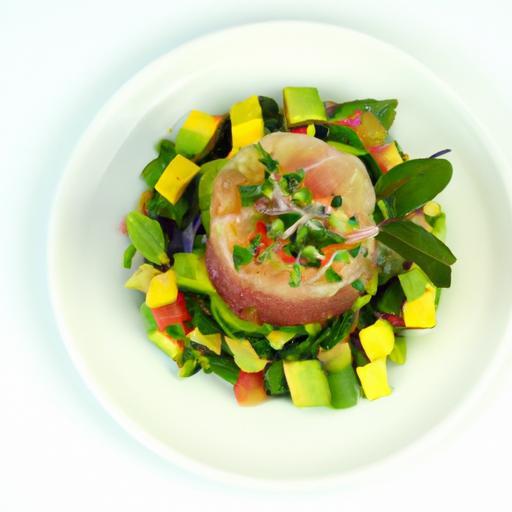
This vegan tuna shines as a centerpiece in sandwiches, wraps, or fresh summer salads. Try it layered on toasted sourdough with creamy avocado and crisp cucumber slices, drizzled with a tangy vegan aioli. For a light meal, serve atop mixed greens with cherry tomatoes, radish slices, and a citrus vinaigrette. Garnish with edible flowers or microgreens for an elegant presentation that dazzles visually and palate-wise.

| Nutrient | Per Serving |
|---|---|
| Calories | 180 kcal |
| protein | 8 g |
| Carbohydrates | 15 g |
| Fat | 7 g |
For more plant-based seafood innovation, explore our guide to vegan seafood substitutes.To deepen your understanding of ocean conservation and sustainable food choices, visit the National Geographic Ocean Conservation page.
Culinary Innovations: Creative Recipes to Elevate Your Vegan Tuna Experience
Revolutionizing seafood through the vibrant world of delicious vegan tuna offers an exciting culinary adventure that blends innovation and wholesome nutrition.Inspired by the delicate textures and savory flavors of traditional tuna, this plant-based creation reimagines seafood classics with sustainable ingredients, perfect for anyone eager to elevate their vegan dining experience.
Prep and Cook Time
Preparation: 20 minutes
Cooking: 15 minutes
Total Time: 35 minutes
Yield
Serves 4 generous portions
Difficulty Level
Easy
Ingredients
- 1 cup young green jackfruit (canned in water, rinsed and shredded)
- 2 tbsp chickpea flour (for binding and texture)
- 2 tbsp nori flakes (finely crushed, for that oceanic umami)
- 1 tbsp soy sauce (or tamari for gluten-free)
- 1 tbsp olive oil (plus extra for sautéing)
- 1 tsp smoked paprika
- 1 tsp garlic powder
- 1/2 tsp sea salt
- 1/2 tsp black pepper
- 1 tbsp vegan mayonnaise (optional, for creaminess)
- Juice of 1/2 lemon
- 2 tbsp chopped fresh dill
- 4 vegan burger buns or lettuce wraps (for serving)
Instructions
- Prepare the jackfruit: Drain and rinse the young green jackfruit thoroughly. Using your hands or two forks,shred the fruit until it resembles flaky tuna flakes.
- Mix the base: In a large bowl, combine shredded jackfruit, chickpea flour, crushed nori flakes, smoked paprika, garlic powder, sea salt, and black pepper. Stir well to evenly disperse the flavors and help bind the mixture.
- add moisture and umami: Pour in soy sauce, olive oil, and lemon juice. Mix until the jackfruit is coated and slightly sticky; the chickpea flour will help everything hold together during cooking.
- Sauté the mixture: Heat a pan over medium heat and add a touch of olive oil. Add the jackfruit mix and sauté for 8-10 minutes, stirring occasionally to prevent sticking, until the edges turn golden and the aroma deepens. This step enhances the texture and intensifies the savory notes.
- Finish with freshness: Remove from heat and fold in chopped fresh dill and vegan mayonnaise if using. Adjust seasoning with extra salt or lemon juice as desired.
- Assemble and serve: Spoon the vegan tuna onto warmed burger buns or crisp lettuce leaves. Add slices of avocado, tomato, and crunchy pickles or capers for an extra hit of flavor and texture.
Chef’s Notes: Tips for Success
- Jackfruit Texture: for best results, use young green jackfruit rather than ripe; it provides the ideal flaky consistency.
- Nori Intensity: If you prefer a stronger sea flavor, lightly toast the nori flakes before mixing.
- Make-Ahead: Prepare the vegan tuna mixture a day in advance and refrigerate; flavors will marry beautifully.
- Substitutions: Chickpea flour can be swapped with ground oats or gluten-free all-purpose flour for binding, depending on dietary needs.
- Serving Safety: Avoid over-sautéing to keep the mixture moist - just a golden sift is perfect!
Serving Suggestions
Present this delightful vegan tuna as a vibrant sandwich, open-faced on artisan bread, or wrapped in crisp lettuce for a light yet satisfying bite. Garnish with fresh dill sprigs, thin lemon wedges, and a scattering of microgreens to add pops of color and freshness. Pair with a side of crunchy seaweed salad or zesty pickled vegetables to complement the ocean-like notes.

| Nutrient | Per Serving |
|---|---|
| Calories | 210 kcal |
| protein | 9 g |
| Carbohydrates | 20 g |
| Fat | 10 g |
For an expanded exploration of plant-based seafood alternatives, visit our creative vegan seafood recipes guide.To deepen your understanding of sustainable seaweed sources, consult this excellent resource by FAO on Algae and Seaweeds.
Choosing the Best Vegan Tuna Brands: What to Look for and Where to Buy
Choosing the best vegan tuna brands is an exciting step toward embracing innovative, sustainable seafood alternatives that don’t compromise on flavor or texture. As the demand for delicious plant-based options grows, so does the variety of vegan tuna products available. Whether you’re a seasoned vegan or just exploring seafood substitutes, selecting the right brand can elevate your dishes from ordinary to unusual.
Prep and cook Time
Prep Time: 10 minutes
Cook Time: 5 minutes (optional, depending on recipe)
yield
serves 4 as a salad or sandwich filling
Difficulty Level
Easy
Ingredients to Look for in Quality Vegan Tuna Brands
- Natural, Whole Food Based Ingredients: Look for brands made from chickpeas, seaweed, or soy that mimic tuna’s flaky texture.
- Rich in Protein: A high-quality vegan tuna should provide at least 10g of protein per serving to satisfy your nutritional needs.
- Seafood-Like Flavor: Products seasoned with natural seaweed, kelp, or other marine botanicals to offer that unmistakable briny taste.
- Allergen-Friendly: Consider gluten-free and soy-free options if you have dietary sensitivities.
- Minimal Additives: The fewer preservatives and artificial colors,the better for clean and healthy eating.
Where to Buy the Best Vegan Tuna
Many excellent vegan tuna brands are now easily accessible online and in specialty grocery stores. Websites like The Real Meal Co. and Vegan Essentials ship nationwide. For brick-and-mortar shopping, check out Whole Foods, Sprouts, or local health food markets that prioritize plant-based aisles.
Top Vegan Tuna Brand Recommendations
- Ocean’s Halo Seaweed Tuna: Crafted from kelp and chickpeas, with a delightfully fresh ocean flavor and satisfying bite.
- Good Catch Plant-Based Tuna: Renowned for its flaky texture derived from legumes and a perfect balance of savory flavors.
- Loma Linda Tuno: A soy-based product with a mild, light taste, ideal for sandwiches and casseroles.
tips for Spotting Quality Vegan Tuna
- Check the ingredients list – fewer, recognizable items are a sign of authenticity.
- look for packaging that highlights sustainability efforts and cruelty-free certifications.
- Read reviews focusing on flavor and texture to avoid crumbly or overly processed options.
- Sample smaller sizes first to find your perfect match without commitment.

Additional Inspiration: Creating Your Own Vegan Tuna Blend
For the adventurous cook, blending canned chickpeas with toasted nori flakes, vegan mayonnaise, lemon juice, and a touch of seaweed seasoning can yield a remarkably convincing homemade vegan tuna. This approach allows full control over taste and texture,tailoring the base to your personal preference.
| Nutrient | Average per 100g |
|---|---|
| Calories | 120 kcal |
| Protein | 12 g |
| Carbohydrates | 8 g |
| Fat | 3 g |
exploring the vegan tuna landscape opens doors to sustainable eating without sacrificing the beloved flavors of seafood.Dive in, experiment with brands, and enjoy creating recipes that showcase this rising star of plant-based innovation. For more on vegan seafood alternatives and creative recipes, check out our Ultimate Plant-Based Seafood Guide.
Q&A
Q&A: Revolutionizing Seafood – The Rise of Delicious Vegan Tuna
Q1: What exactly is vegan tuna, and how does it differ from traditional tuna?
Vegan tuna is a plant-based alternative designed to mimic the taste, texture, and appearance of traditional tuna without involving any seafood. Unlike conventional tuna, which comes from fish, vegan tuna is crafted from ingredients like legumes, seaweed, and plant proteins. This innovation provides the familiar umami flavor and flaky texture that seafood lovers crave, but with a sustainable and cruelty-free twist.
Q2: What sparked the creation of vegan tuna?
The surge in environmental awareness and ethical eating habits led food scientists and chefs to explore alternatives to overfished seafood. Traditional tuna populations face threats from overfishing and habitat destruction, posing risks to marine ecosystems. Vegan tuna emerged as a delicious, eco-friendly solution to satisfy consumer demand while protecting ocean life.
Q3: What ingredients give vegan tuna its signature taste and texture?
The magic behind vegan tuna lies in a clever blend of plant-based elements. Seaweed or algae impart that savory, oceanic flavor, while soy, chickpeas, or wheat gluten provide protein and a meaty bite. Natural oils and spices are added to recreate the mouthfeel and subtle brininess, delivering an experience surprisingly close to the real thing.
Q4: How versatile is vegan tuna in cooking?
Vegan tuna is incredibly versatile! It works beautifully in sushi rolls, salads, sandwiches, and pastas. Whether flaked into a classic tuna salad or seared for a “steak” style entrée,it adapts well to many recipes. This flexibility allows chefs and home cooks alike to experiment while enjoying a plant-powered meal.
Q5: Is vegan tuna healthier than traditional tuna?
Frequently enough, yes. Vegan tuna is typically lower in mercury and other contaminants commonly found in ocean-caught fish. It also tends to have less cholesterol and saturated fat, while being rich in fiber and plant nutrients. Of course, nutritional content varies depending on the specific product, but many find vegan tuna a heart-healthy alternative.
Q6: Does vegan tuna contribute to environmental sustainability?
Definately.By using renewable plant resources instead of overexploiting wild fish populations, vegan tuna helps reduce carbon footprints, water use, and oceanic damage. This change supports marine conservation efforts and encourages a shift toward responsible food systems that can sustain future generations.
Q7: Are there challenges in making vegan tuna taste authentic?
Crafting an authentic tuna flavor from plants is no small feat. Scientists and chefs face challenges like replicating the complex seafood umami and flaky texture. Though, continuous innovation in food technology - including fermentation, natural flavor extraction, and texturizing techniques – is closing the gap, making vegan tuna increasingly convincing.
Q8: Where can consumers find vegan tuna today?
Vegan tuna products are rapidly appearing in grocery stores, specialty markets, and online. Additionally, many restaurants and sushi bars are incorporating plant-based tuna options to cater to growing demand. As awareness grows, accessibility is improving, making it easier than ever to try this ocean-friendly alternative.
Q9: How does the rise of vegan tuna impact traditional fishing industries?
While vegan tuna challenges the status quo, it also opens opportunities for sustainable business models. Some fishing communities may shift toward aquaculture or diversify into plant-protein farming. Ultimately, the rise of vegan tuna encourages balanced coexistence between innovation and tradition, prioritizing ecological harmony.
Q10: What does the future hold for vegan seafood alternatives?
The vegan seafood revolution is just beginning. Advances in biotechnology and culinary creativity promise even more exciting products that delight the palate and protect the planet. As consumer tastes continue evolving, vegan tuna stands as a shining example of how food innovation can blend deliciousness with responsibility. The future of seafood is green, vibrant, and endlessly appetizing!
Concluding Remarks
As the waves of innovation continue to surge, the rise of delicious vegan tuna is not just a fleeting trend but a profound tidal shift in how we think about seafood. blending science, sustainability, and culinary artistry, these plant-based creations are redefining what it means to enjoy tuna-offering all the flavor and texture we crave without compromising our oceans. Whether you’re a devoted seafood lover or a curious newcomer, the future tastes brighter (and greener) with every bite of vegan tuna, inviting us all to savor the revolution on our plates.