
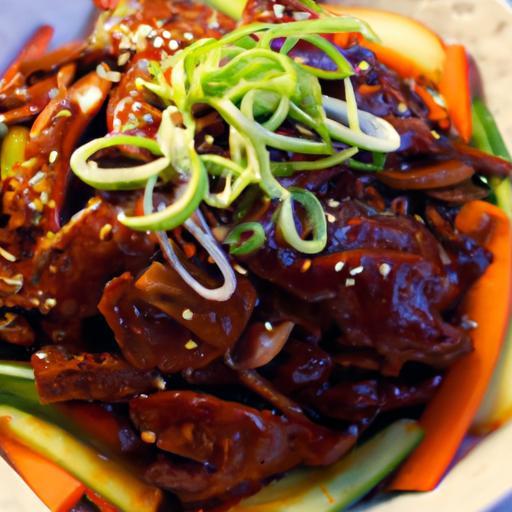
There’s a certain enchantment that unfolds the moment tender strips of beef sizzle in a wok, mingling with the rich symphony of soy, garlic, and ginger. Mongolian beef, a beloved dish frequently enough celebrated for its bold yet balanced flavors, invites us on a culinary journey steeped in tradition and vibrant history. More than just a meal, it’s a flavorful tapestry woven from cultural heritage and timeless techniques, capturing the essence of Mongolian spirit through every savory bite. In this exploration of “Mongolian Beef Magic: Savoring the Flavors of Tradition,” we unravel the secrets behind this iconic dish,revealing how its mouthwatering taste continues to charm palates around the world while honoring the rich legacy from which it was born.
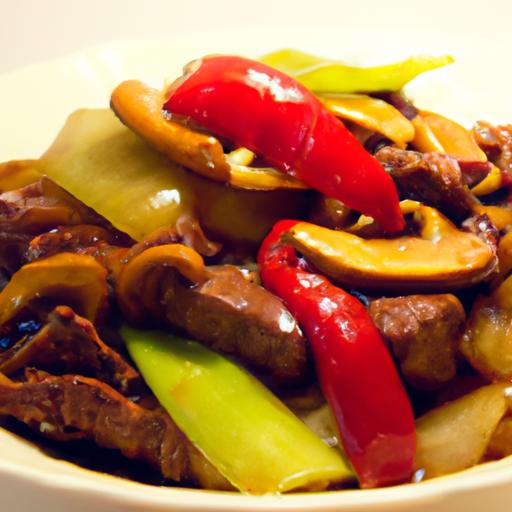
The Origins of Mongolian beef and Its Cultural Richness
Mongolian Beef Magic begins not just with flavors that dance on the tongue but with a story steeped in cultural fusion and culinary innovation. Although often mistaken as a conventional mongolian dish, Mongolian Beef actually traces its roots to Taiwanese cuisine, gaining popularity in Chinese-American restaurants across the globe. The dish’s appeal lies in its irresistible combination of tender beef slices coated in a luscious, slightly sweet soy-based glaze, echoing the resourceful spirit of immigrants who adapted local ingredients to create new classics.
What makes this dish truly special is its ability to transform humble ingredients into an unusual dining experience. the marriage of caramelized garlic, green onions, and a subtly smoky soy sauce reveals layers of complexity that make every bite memorable. For many home cooks, mastering this dish signifies crossing a flavorful culinary milestone that balances savory, sweet, and umami with a satisfying texture contrast between crisp-tender vegetables and silky beef.
Prep and Cook Time
- Readiness: 15 minutes
- Cooking: 10 minutes
- Total Time: 25 minutes
Yield
Serves 4 hungry diners
Difficulty Level
Easy to Medium – suitable for beginners familiar with stir-fry techniques
Ingredients
- 1 lb (450g) flank steak, thinly sliced against the grain
- 3 tbsp cornstarch, for coating the beef
- 3 tbsp vegetable oil, divided (for frying and stir-frying)
- 4 cloves garlic, finely minced
- 1 tbsp fresh ginger, minced
- 4 green onions, cut into 2-inch pieces
- ½ cup low-sodium soy sauce
- ½ cup water
- ⅓ cup brown sugar
- ½ tsp crushed red pepper flakes (optional, for subtle heat)
- 1 tsp toasted sesame oil
Instructions
- Prepare the beef: Toss the thinly sliced flank steak in cornstarch until evenly coated. Let it rest for 5 minutes - this creates a delicate crust when fried.
- Heat 2 tablespoons of vegetable oil in a large wok or heavy skillet over medium-high heat. Fry the beef in batches until golden brown and slightly crispy, about 2 minutes per side. Remove and drain on paper towels.
- reduce heat to medium. Add the remaining 1 tablespoon of vegetable oil to the pan. Sauté minced garlic and ginger until fragrant, approximately 30 seconds, stirring continuously to avoid burning.
- Mix the sauce: In a small bowl, whisk together soy sauce, water, brown sugar, and red pepper flakes until the sugar dissolves.
- Pour the sauce into the pan, bring to a gentle boil, and let it simmer until slightly thickened, about 3 to 4 minutes. Stir occasionally to prevent sticking.
- Return the beef to the pan, tossing to coat in the thickened sauce. Add the green onions and cook for an additional 1 to 2 minutes to soften slightly while keeping their vibrant color and crunch.
- Finish by drizzling the toasted sesame oil over the beef and giving it one last toss. remove from heat immediately to preserve flavor and texture.
Tips for Success
- Beef choice matters: Flank steak is ideal for its tenderness and ability to hold sauce well, but sirloin or skirt steak can be excellent substitutes.
- Thin slicing: Freeze the beef for 15 minutes before slicing to make thinner, cleaner cuts that cook evenly and remain tender.
- Coating technique: Ensure beef slices are lightly coated but not clumped in cornstarch to avoid gummy texture.
- Work in batches: Fry the beef in batches for a crispier finish and to prevent overcrowding,which leads to steaming rather than frying.
- Make-ahead sauce: Prepare the sauce mixture in advance for faster cooking on busy weeknights.
- Adjust sweetness: Modify brown sugar quantity based on your taste preference, or swap it for coconut sugar for a subtly different note.
Serving Suggestions
This dish shines when served piping hot over steamed jasmine rice or paired with freshly cooked noodles for a comforting meal. Garnish with a sprinkle of toasted sesame seeds or finely sliced fresh chili for visual contrast and a spicy kick.A side of stir-fried bok choy or snap peas balances the richness of the beef, infusing each bite with a refreshing crunch.

| Nutrient | per Serving |
|---|---|
| Calories | 350 kcal |
| Protein | 35 g |
| Carbohydrates | 20 g |
| Fat | 15 g |
For an inspiring variation, try swapping the beef for tender chicken breast or shiitake mushrooms to create a vegetarian twist that still embodies the vibrant flavors of this Mongolian Beef Magic. To explore other Asian-inspired meals, visit our Asian Stir Fry Recipes collection. Learn more about traditional soy sauce fermentation techniques at National Geographic.
Mastering the Perfect Marinade for Authentic Flavor
Mongolian Beef Magic begins with a marinade that unlocks the dish’s signature bold and succulent flavor. This vibrant concoction is the heart of transforming tender strips of beef into a caramelized, deeply savory delight that honors centuries of culinary tradition. Drawing inspiration from the bustling street markets and warm-home kitchens across Asia, the perfect marinade blends simplicity with intensity-balancing salty soy, mellow sweetness, fresh aromatics, and a hint of spice.
Mastering this marinade is essential for capturing the authentic character that makes Mongolian Beef such a beloved dish worldwide. The key lies in allowing the beef to soak in this flavorful bath, tenderizing the meat while infusing each bite with complex notes of umami and subtle sweetness.
Prep and Cook Time
- Preparation: 15 minutes
- Marinating time: 1 hour (minimum)
- Cooking: 10 minutes
- total Time: Approximately 1 hour 25 minutes
yield
Serves 4 hearty portions
Difficulty Level
Medium - Ideal for home cooks ready to impress with layered flavors and professional technique
Ingredients
- 1 lb flank steak,thinly sliced against the grain
- 3 tbsp low-sodium soy sauce
- 2 tbsp hoisin sauce
- 1 tbsp oyster sauce (optional for extra umami)
- 2 tbsp water
- 1 tbsp brown sugar,packed
- 2 tsp freshly grated ginger
- 3 cloves garlic,minced
- 1 tsp toasted sesame oil
- 1/4 tsp crushed red pepper flakes (adjust to taste)
- 1 tbsp cornstarch (for coating)
- 1/4 cup sliced green onions (for garnish)
- 2 tbsp vegetable oil (for cooking)
Instructions
- Prepare the marinade: in a medium bowl,whisk together soy sauce,hoisin sauce,oyster sauce,water,brown sugar,grated ginger,minced garlic,toasted sesame oil,and red pepper flakes until the sugar dissolves completely.
- Marinate the beef: Toss the thinly sliced flank steak with the marinade ensuring every piece is coated. Cover and refrigerate for at least 1 hour-this resting period tenderizes the meat and infuses flavor deeply.
- Coat the beef: Remove beef from marinade, reserving the liquid. Lightly toss the beef slices with cornstarch until evenly dusted-this adds a delightful crispness during cooking.
- Heat the pan: Warm vegetable oil in a large skillet or wok over medium-high heat until shimmering but not smoking.
- Sear the beef: Add beef strips in a single layer (work in batches to avoid overcrowding). Sear until golden brown, about 2-3 minutes per side. Remove cooked beef and set aside.
- Build the sauce: Pour the reserved marinade into the pan, bring to a gentle boil, and cook for 2-3 minutes, stirring constantly to thicken slightly and concentrate flavors.
- Combine and finish: Return the seared beef to the skillet, tossing to coat evenly with the sauce. Cook for an additional 1-2 minutes until the sauce clings beautifully and the beef is perfectly tender.
- garnish and serve: Transfer to a serving platter and sprinkle generously with sliced green onions for freshness and color contrast.
Tips for Success
- Slice thinly and swiftly: for tender results, partially freeze the flank steak before slicing.This makes thin, uniform cuts easier.
- Marinate patience: Don’t rush the marinating step-at least 1 hour elevates tenderness and flavor absorption dramatically.
- Control your heat: Use medium-high heat for searing to develop that gorgeous caramel crust without overcooking inside.
- Customize spice level: Adjust crushed red pepper flakes or add fresh chili slices for a more fiery kick.
- Dairy-free and gluten-conscious: Ensure you use tamari or gluten-free soy sauce if needed to keep the recipe allergen-amiable.
- Make-ahead: beef can be marinated up to overnight and cooked just before serving, making it perfect for batch prep.
Serving Suggestions
Serve this Mongolian Beef Magic atop a bed of fluffy jasmine rice or alongside steamed bok choy for a vibrant, balanced meal. Garnish with extra green onions, a scattering of toasted sesame seeds, and fresh cilantro leaves to add layers of texture and fresh aroma. For a restaurant-style flourish, accompany with crisp vegetable spring rolls or crunchy cucumber salad to cut through the richness.

| Nutrient | per Serving |
|---|---|
| Calories | 350 kcal |
| protein | 35g |
| Carbohydrates | 15g |
| Fat | 12g |
For more inspiration on authentic dishes and marinade mastery, you might enjoy our guide on Top Asian Marinades That Pack a Punch. To deepen your understanding of beef cuts and cooking techniques, the official beef resource site is an excellent reference.
choosing the Ideal Cuts and Ingredients for Tenderness
When it comes to crafting the perfect Mongolian Beef Magic, selecting the right cut of beef is your frist step towards achieving beautifully tender and flavorful results. The magic lies in choosing cuts that naturally lend themselves to fast cooking while maintaining juicy tenderness. For this dish, lean yet tender cuts like flank steak or sirloin shine the brightest. These cuts boast just the right amount of marbling and muscle structure, allowing them to soak in the bold Mongolian sauce without turning chewy or dry.
Look for beef slices cut thinly against the grain; this technique is essential to break down the muscle fibers and unlock a buttery, melt-in-the-mouth texture. When preparing your ingredients, fresh aromatics like ginger and garlic form the backbone of the dish’s fragrant profile, while green onions add pops of vibrant color and a sharp, fresh bite.Crisp vegetables-such as julienned carrots or bell peppers-can be added to enhance texture contrast, but the spotlight should always remain on the tender beef.
For the sauce, balance is everything.A harmonious blend of soy sauce, dark brown sugar, and subtle hints of chili will create that signature sweet and savory melody that defines Mongolian Beef Magic. Opt for naturally brewed soy sauce to deepen umami impact, and measure your ingredients carefully to avoid overpowering the delicate tenderness of the beef.
Using a high-quality cornstarch coating on your beef not only creates a delectable crisp crust but also seals in moisture, helping to keep every bite juicy. For best results, toss your beef strips lightly but evenly in cornstarch before allowing excess to shake off gently, preventing clumping.
When all the elements combine-choice cuts, fresh ingredients, and a well-balanced sauce-you’ll transform your pan into a sizzling canvas of traditional flavors that celebrate the true essence of Mongolian Beef Magic.

Tips and Tricks for Cooking Mongolian Beef Like a Pro
Tips and Tricks for Cooking Mongolian Beef Magic Like a Pro
Mongolian Beef Magic captures the spirit of rich, savory tradition with every tender bite. To truly unlock its full potential, begin with selecting flank steak sliced thinly against the grain-this guarantees melt-in-your-mouth tenderness that is essential for authentic texture. marinating the beef briefly in a mix of soy sauce, corn starch, and a little water ensures each piece is perfectly coated, resulting in a succulent, glossy finish once stir-fried.
When cooking, high heat is your best ally. Whether you’re using a wok or a deep skillet, heating the pan until it’s almost smoking helps achieve that desirable caramelization, locking in flavors while creating slight crispy edges without overcooking inside.
Mastering the Sauce: Depth and Balance
The magic of Mongolian Beef Magic lies as much in its sauce as in the beef itself. A harmonious blend of soy sauce, brown sugar, garlic, and fresh ginger creates that signature sweet-savory hit. To elevate it, stir in fresh water chestnuts or sliced green onions just before serving – their crisp freshness contrasts perfectly with the luscious sauce.
Avoid Common Pitfalls
- Overcrowding the pan reduces heat and causes steaming rather of searing. Cook beef in batches if necessary.
- Don’t skip the corn starch coating,which provides the characteristic glossy texture and helps the sauce cling to the meat.
- Use fresh ginger and garlic instead of powders for a vibrant, aromatic punch.
for a quick boost, sprinkle toasted sesame seeds during the final stir – they add both a visual charm and a nutty aroma that makes every bite memorable.
Explore more on perfect stir-fries and Asian-inspired sauces in our Ultimate Stir-Fry Guide. For additional culinary insights into soy sauce varieties and their impact on flavor, check this in-depth article from Serious Eats.
Q&A
Q&A: Mongolian Beef Magic: Savoring the Flavors of Tradition
Q1: What makes Mongolian beef such a beloved dish around the world?
A1: Mongolian beef captivates with its harmonious blend of tender, caramelized beef slices and a luscious, savory-sweet sauce.Rooted in the rich culinary traditions of northern China, this dish offers a perfect balance of texture and flavor-a mouthwatering experience that feels both familiar and exotic. Its simplicity, paired with bold flavors, draws food lovers back time and again.
Q2: Is Mongolian beef actually from Mongolia?
A2: Despite its name,Mongolian beef doesn’t originate from Mongolia. The dish was developed in Taiwanese and Chinese-American kitchens, inspired by Mongolian culinary influences and the nomadic spirit of Mongolia’s hearty meat dishes. It’s a creative reinvention that pays homage to the robust flavors linked to the Mongolian steppe.
Q3: What cuts of beef work best for authentic Mongolian beef?
A3: For authentic results, lean and tender cuts like flank steak or sirloin are ideal. These cuts slice thinly against the grain, ensuring the beef remains juicy and tender after a quick, high-heat stir-fry. The goal is to achieve slices that soak up the sauce without becoming tough.
Q4: What traditional ingredients build the signature Mongolian beef sauce?
A4: The magic sauce typically combines soy sauce, dark soy sauce, brown sugar, garlic, and ginger. This mix creates a deep umami flavor underscored by a hint of sweetness and warmth. The simplicity of these core ingredients allows the natural richness of the beef to shine through.
Q5: Can vegetables be included in Mongolian beef without losing its traditional essence?
A5: Absolutely! While the classic recipe focuses on beef and sauce, adding crisp vegetables like scallions or bell peppers can enhance texture and color without overpowering the dish. The key is to keep vegetable additions subtle, allowing the beef and sauce to remain the star players.
Q6: How do cooking techniques influence the final taste and texture?
A6: Precision is crucial.Stir-frying beef quickly over high heat caramelizes the sugars in the sauce and seals in juices. Overcooking leads to dryness, so timing is everything. The quick flame kiss also helps develop the dish’s signature glossy, slightly sticky coating.
Q7: What traditional sides best complement Mongolian beef?
A7: Steamed jasmine rice or fluffy white rice serves as the perfect canvas, embracing the savory sauce. Steamed or lightly sautéed greens, like bok choy or Chinese broccoli, balance the richness and add freshness. These pairings keep the meal well-rounded and authentic.Q8: How has Mongolian beef evolved outside its original cultural context?
A8: Mongolian beef has embraced global tastes by incorporating subtle tweaks like chili for heat or various vegetables for diversity. Yet, despite innovation, cooks frequently enough preserve the dish’s core simplicity and sweetness to honor its heritage. This balance between tradition and adaptation keeps Mongolian beef relevant and beloved worldwide.
Q9: Can Mongolian beef be made at home by novice cooks?
A9: Yes! Its straightforward ingredients and quick cooking technique make it an accessible dish for beginners. With a sharp knife, a hot pan, and a stopwatch mindset, anyone can experience the savory-sweet magic of Mongolian beef right in their own kitchen.
Q10: Why does Mongolian beef resonate so deeply with food lovers seeking comfort and culture?
A10: Mongolian beef embodies the global appeal of comfort food-rich, flavorful, and satisfying-while connecting diners to a story of tradition, adaptation, and culinary artistry.It’s a dish that speaks both to the roots of ancient nomads and the vibrant tables of modern kitchens, inviting all to savor the dynamic flavors of tradition.
Wrapping Up
As the savory aroma of Mongolian beef lingers in your kitchen, you realize that this dish is more than just a meal-it’s a flavorful bridge connecting you to centuries of tradition and culture. Each tender bite carries the essence of Mongolian heritage,where simple ingredients come together in a dance of sweet,savory,and smoky notes that have stood the test of time.Whether you’re a seasoned cook or a curious foodie, embracing the magic of Mongolian beef invites you to savor not only its rich flavors but also the stories and history simmering beneath every sauce-coated strand. So next time you sit down to enjoy this beloved classic, remember: you’re partaking in a culinary journey that celebrates tradition, creativity, and the timeless joy of sharing good food.