

In the vibrant world of Asian cuisine, few ingredients embody both simplicity and versatility quite like rice paper noodles. These delicate strands, with their translucent elegance and subtle texture, have the power to transform ordinary dishes into culinary masterpieces. Yet, mastering rice paper noodles is an art that can challenge even the most seasoned cooks. Whether you’re crafting a fresh spring roll or a comforting bowl of noodle soup, unlocking the secrets to perfect noodles is key. In this article, we’ll reveal three essential tips that will elevate your rice paper noodle skills from good to extraordinary-ensuring every bite is a harmonious blend of texture, flavor, and finesse.
Preparing Rice Paper Noodles for Maximum Texture and Flavor
Mastering Rice Paper Noodles transforms simple translucent sheets into a delicate, chewy, and flavorful canvas that can elevate any dish. Originating from the vibrant streets of Southeast Asia, these noodles offer a unique texture that’s both refreshing and satisfying. The secret lies not just in soaking but in a methodical approach that preserves their integrity-ensuring each bite delivers a perfect balance of tenderness and snap.
Prep and Cook Time
- Preparation: 10 minutes
- Soaking Time: 5 minutes
- Total Time: 15 minutes
Yield
Serves 4 as a main or 6 as a side
Difficulty Level
Easy to Medium – Ideal for cooks ready to elevate their noodle game with simple yet precise techniques.
Ingredients
- 100g dried rice paper sheets
- 1 liter warm water (around 40°C/104°F)
- 1 tablespoon vegetable oil (neutral, such as canola or grapeseed)
- Pinch of salt
- Optional: 1 teaspoon toasted sesame oil for flavor
Instructions
- Prepare a wide, shallow bowl filled with warm water just warm enough to soften the rice papers without making them slippery-around 40°C (104°F) is ideal.
- Submerge one rice paper sheet fully into the warm water for exactly 10 seconds. Resist the urge to soak longer; over-soaking results in mushy noodles that tear easily.
- Gently lift the sheet out and lay it flat on a clean, damp kitchen towel or parchment paper to absorb excess water-avoid stacking as they stick.
- Using a sharp knife or kitchen scissors, slice each sheet into thin noodle-like strips (around 3-5 mm wide). For a rustic feel, uneven thickness adds character! alternate shapes can include ribbons or triangles depending on dish style.
- Lightly toss noodles in vegetable oil and salt to prevent sticking and impart a subtle sheen that improves mouthfeel.
- Optional: Drizzle with toasted sesame oil to infuse toasted aromas that complement fresh herbs or spicy sauces.
- Use instantly in stir-fries, salads, or broths to enjoy peak texture.If storing temporarily, keep them wrapped in a damp cloth at room temperature for up to 2 hours only.
Tips for Success
- always use warm-not boiling-water; extreme heat breaks down noodles prematurely.
- Work one sheet at a time to maintain pliability and prevent sticking.
- If noodles feel sticky, a speedy toss with a teaspoon of oil is your best friend.
- For gluten-free and allergen-conscious dishes, rice paper noodles are naturally ideal but avoid cross-contamination by prepping on clean surfaces.
- Make-ahead tip: Prepare soaked noodles sans slicing and store wrapped tightly. Cut just before serving for freshness.
Serving Suggestions
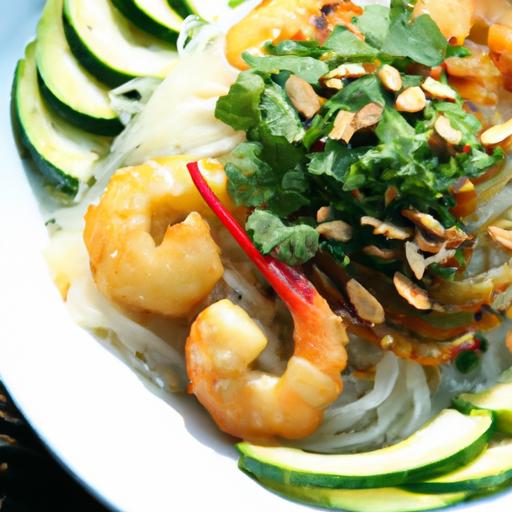
Delicately piled atop a bed of crunchy Asian slaw, drizzled with a shining lime-chili dressing, or nestled in a steaming bowl of aromatic vegetable broth, these rice paper noodles absorb flavors effortlessly.Garnish with chopped fresh cilantro, toasted peanuts, and thinly sliced red chili for pops of color and texture. A sprinkle of sesame seeds complements their subtle nuttiness, enhancing the dish’s visual appeal and sensory depth.
| Nutrient | Per 100g |
|---|---|
| Calories | 350 kcal |
| Protein | 6 g |
| Carbohydrates | 80 g |
| Fat | 0.5 g |

For the best complementary dishes, explore our detailed guide on Vietnamese Summer Rolls to master the art of rolling and seasoning. To deepen your understanding of rice paper production and usage, visit Southeast Asian Cuisine Official.
Choosing the Right Broth and Ingredients to Complement Your Noodles
Mastering rice paper noodles requires more than just technique-it begins with selecting the perfect broth and complementary ingredients to elevate every bite. The delicate texture of these translucent noodles demands a broth that enhances without overpowering, while fresh, vibrant add-ins create a balance of flavor, aroma, and visual appeal.
Prep and Cook Time
- Preparation: 15 minutes
- Cooking: 25 minutes
- Total Time: 40 minutes
Yield
- Serves 4 hearty portions
Difficulty Level
- Medium – perfect for adventurous home cooks looking to refine their skills
Ingredients
- 6 cups vegetable broth, homemade or low-sodium store-bought
- 2-inch piece fresh ginger, sliced thinly
- 3 cloves garlic, crushed
- 2 tablespoons soy sauce or tamari for gluten-free
- 1 tablespoon toasted sesame oil
- 200g rice paper noodles, soaked until soft
- 1 cup shiitake mushrooms, sliced
- 1 medium carrot, julienned
- 1 cup baby bok choy, roughly chopped
- 1 bunch fresh cilantro, roughly chopped
- 2 green onions, thinly sliced
- 1 red chili, sliced (optional, for heat)
- Juice of 1 lime
- Salt and pepper, to taste
Instructions
- Prepare the broth: In a large pot, warm the vegetable broth over medium heat. Add the sliced ginger, crushed garlic, and soy sauce. Let it simmer gently for 15 minutes to infuse deep, fragrant notes.
- Sauté the mushrooms and veggies: While the broth simmers,heat the sesame oil in a skillet. Add the shiitake mushrooms and cook until tender and golden, about 5 minutes. stir in the carrots and bok choy, cooking for 2-3 more minutes to retain some crunch.
- Soften the rice paper noodles: Place the noodles in a large bowl of warm water and soak for about 10 minutes, or until pliable but still firm to the bite. Drain and set aside.
- Strain and finalize broth: Remove ginger and garlic slices from the broth using a slotted spoon. Season with salt and pepper to taste and stir in lime juice for brightness.
- assemble the dish: Distribute the softened noodles evenly into serving bowls. Ladle the hot broth over the noodles, then top with the sautéed vegetables.
- Garnish and serve: Sprinkle fresh cilantro, green onions, and optional red chili slices on top. Serve immediately while steaming hot, letting each mouthful highlight the harmony of textures and flavors.
Tips for Success
- Broth base: For an umami boost, add a dried shiitake mushroom or kombu piece during the simmer process, removing before serving.
Pro tip: Avoid boiling vigorously to keep the vegetable broth clear and delicate. - Noodle handling: Be gentle when soaking rice paper noodles; over-soaking can make them mushy and difficult to handle.
- ingredient swaps: Swap baby bok choy with spinach or watercress for seasonal freshness. For extra protein, add grilled tofu or shredded chicken breast cooked separately.
- Make-ahead: prepare the broth and sautéed vegetables up to a day in advance. Keep noodles separate and freshen them with warm water before serving.
- Spicing it up: Drizzle a little chili oil or serve with a side of hoisin sauce for guests craving bold layers of flavor.
Serving Suggestions
Serve this noodle bowl in deep, wide soup bowls that showcase the vibrant colors of the garnish and ingredients. The reflective sheen of rice paper noodles beneath the aromatic broth invites your guests to dive in. Accompany with crisp fresh lime wedges on the side for an extra burst of citrus, and offer chili flakes or sliced fresh chili for those who enjoy a kick.A side of light, cooling cucumber salad or pickled daikon rounds out an unforgettable meal experience. For a more textural contrast, sprinkle toasted sesame seeds just before serving.

| Nutrient | Per Serving |
|---|---|
| Calories | 280 kcal |
| Protein | 8 g |
| Carbohydrates | 45 g |
| Fat | 5 g |
For more insights into crafting the perfect homemade broths, check out our Ultimate Guide to Homemade Broths.To learn about the health benefits and origins of rice paper noodles, visit Serious Eats’ detailed exploration.
Techniques for Perfectly Cooking and Serving Rice Paper Noodles
Mastering rice paper noodles unlocks a world of culinary delight were delicate textures meet vibrant flavors. Originating from the bustling street food stalls of Southeast Asia, rice paper noodles-also called bánh hỏi in Vietnam-are delicate sheets ofen transformed into silky ribbons perfect for fresh spring rolls or savory stir-fries. My first encounter with rice paper noodles was during a trip to Hanoi, where I was captivated by their ethereal consistency and versatility. Achieving that flawless tender chew, without a clumpy mess or breakage, is an art that every home cook can master with the right approach.
Prep and Cook Time
- Preparation: 10 minutes
- Soaking and Cooking: 15 minutes
- Total Time: 25 minutes
Yield
- Serves 4 as a light main dish or 6 as an appetizer
Difficulty Level
- Easy to Medium – Perfect for adventurous home cooks
ingredients
- 200g dried rice paper noodles (thin, translucent sheets)
- 4 cups warm water (for soaking)
- 2 tbsp vegetable oil (neutral, like canola or sunflower)
- 1 tsp sesame oil (optional, for subtle aroma)
- 1 tsp toasted sesame seeds (for garnish)
- Fresh herbs (such as mint, cilantro, or Thai basil, optional)
- salt to taste
- 1 tbsp soy sauce or tamari (optional, for seasoning)
Instructions
- Soak the rice paper noodles: Place the dried rice paper noodles in a large bowl and pour 4 cups of warm water over them. Let them soak gently for 7-10 minutes until soft and pliable. Stir occasionally to separate the strands carefully, ensuring they don’t stick or clump.
- Drain with care: Using a fine-mesh sieve or tongs, remove the softened noodles and set them on a clean kitchen towel or paper towels to drain excess water. Pat gently to avoid tearing.
- Heat the pan: In a nonstick skillet, warm the vegetable oil over medium heat until shimmering but not smoking.
- Sauté gently: Add the drained noodles to the pan and sauté for 2-3 minutes. Use a flexible spatula to toss and separate them gently. sautéing warms the noodles and improves texture, preventing sogginess.
- Season and finish: Drizzle with sesame oil and soy sauce, stirring lightly to combine. Add a pinch of salt if desired. cook for another minute until the noodles have absorbed the flavors.
- Plate beautifully: Transfer the noodles to a serving platter. Garnish with toasted sesame seeds and fresh herbs to add bursts of color and flavor.
Tips for success When Mastering Rice Paper Noodles
- Always use warm-not hot-water to soak the noodles. Hot water can cause uneven softening or breakage.
- Pat dry gently before cooking. Excess moisture causes clumping and sogginess during sautéing.
- For stir-fry variations, sauté noodles last just until heated through, tossing with your other ingredients to maintain their delicate texture.
- Substitute vegetable oil with avocado oil for a cleaner taste and higher smoke point.
- Make a day ahead: Soaked noodles can be refrigerated in an airtight container with a damp cloth for up to 24 hours; reheat gently in a pan with oil before serving.
Serving suggestions
Rice paper noodles shine best when paired with fresh, vibrant accompaniments. Serve them alongside a crisp vegetable julienne salad tossed in a tangy lime dressing or wrapped up in crunchy lettuce leaves with grilled tofu or shrimp. Garnish generously with chopped peanuts, sliced chili, and aromatic herbs like mint, cilantro, or Thai basil to create a symphony of textures and colors on your plate. For added crunch and flavor, a sprinkle of toasted sesame seeds or a drizzle of spicy chili oil elevates the dish to new heights.
| Nutrient | Per Serving (Approx.) |
|---|---|
| calories | 180 kcal |
| Protein | 3 g |
| Carbohydrates | 40 g |
| Fat | 2 g |

For deeper insights and recipes featuring rice paper noodles, be sure to explore our thorough spring rolls guide.to understand the nutritional benefits and sourcing tips of rice paper noodles, visit Healthline’s expert overview.
Common Mistakes to Avoid for Consistently Delicious Results
Mastering rice paper noodles is an art that anyone can achieve with the right approach,but it’s easy to stumble on a few common pitfalls that can derail your best efforts.Whether you’re preparing a fragrant Vietnamese-inspired bowl or a light summer roll, avoiding these typical mistakes guarantees consistently delicious results and a perfectly tender, silky noodle every time.
Prep and Cook Time
- Preparation: 15 minutes
- Cooking: 10 minutes
- Total Time: 25 minutes
Yield
- Serves 4 people
Difficulty Level
- easy to Medium
Ingredients
- 200g rice paper noodles (thin or medium width)
- 4 cups boiling water
- 1 tablespoon sesame oil
- 1 teaspoon salt
- Fresh herbs (mint, cilantro, Thai basil) for garnish
- Optional: thinly sliced vegetables like carrots and cucumbers
Instructions
- Boil the water: Bring 4 cups of water to a rolling boil in a large pot or kettle. maintaining the boiling temperature is key to softening your rice paper noodles evenly.
- Soak noodles: Place the rice paper noodles in a large heatproof bowl. Immediately pour the boiling water over the noodles and gently stir to prevent clumping. Soak for exactly 3-4 minutes-no more, no less-to achieve optimal tenderness without becoming mushy.
- Drain and rinse: drain noodles in a colander and rinse quickly under cold water. This step stops the cooking process and prevents the noodles from sticking together.
- Add sesame oil and salt: Transfer the noodles to a clean bowl. Toss immediately with 1 tablespoon of sesame oil and 1 teaspoon of salt to enhance flavor and maintain smooth texture.
- Gently separate: using two forks or chopsticks, carefully separate any strands that might have clustered during soaking. Avoid stirring too vigorously to keep the noodles intact.
- Plate and garnish: Serve the noodles immediately or chill briefly for a cool dish. Garnish with fresh herbs and optional vegetables for a light,vibrant meal.
Tips for Success: Avoiding Common Pitfalls
One of the biggest challenges in mastering rice paper noodles lies in timing. Soaking for too long is a frequent mistake-it turns your delicate noodles into a gummy, sticky mess that lacks the pleasant bite you expect. Conversely,under-soaking leaves noodles firm and unpleasant to chew.
Another common error is neglecting to rinse noodles with cold water post-soaking. This simple step is crucial; it immediately halts cooking, fixing the perfect al dente texture while also washing away excess starch that causes clumping.
When tossing with oil and salt, use about 1 tablespoon of sesame oil-not only does it prevent sticking, but it adds a subtle, fragrant dimension indispensable for authentic flavor. Skip this and your noodles may look dull and stick together in an unappetizing way.
handling the noodles too roughly can break their fragile strands. Use a gentle hand when separating and serving to preserve their beautiful, translucent appearance.
Serving Suggestions for Maximum Enjoyment
Rice paper noodles shine when paired with fresh,crunchy vegetables and vibrant herbs. Consider a colorful bowl of chopped mint, cilantro, and Thai basil with thinly shredded carrots and cucumber ribbons. Add a squeeze of lime and a drizzle of a tangy, balanced dressing like a homemade tamarind or lime chili sauce to elevate the dish.
For an added protein hit, grilled lemongrass chicken or turmeric-spiced tofu cubes harmonize beautifully. Serve noodles on their own or wrapped lightly in softened rice paper with additional filling for versatile summer rolls.

| Nutrient | Per serving |
|---|---|
| Calories | 180 kcal |
| Protein | 3 g |
| Carbohydrates | 40 g |
| Fat | 2 g |
For more inspiring noodles recipes, check out our Quick and Easy Asian Noodle Recipes collection. To deepen your culinary knowledge on rice cuisine and noodle textures,explore Britannica’s Noodle Guide.
Q&A
Q: What makes rice paper noodles different from other types of noodles?
A: Rice paper noodles are uniquely delicate,made from rice flour and water,which gives them a translucent,chewy texture that’s lighter than wheat-based noodles. Their subtle flavor acts as a perfect canvas for bold sauces, fresh herbs, and vibrant vegetables, making them incredibly versatile in many asian dishes.
Q: how do I properly prepare rice paper noodles to achieve the perfect texture?
A: The key is timing and water temperature. Soak the noodles briefly in warm, not boiling, water-usually around 5 to 7 minutes-until they’re pliable but not mushy. Over-soaking can turn them gummy and fragile, so keep a close eye on their texture as they soften.
Q: What’s the best way to prevent rice paper noodles from sticking together?
A: Once softened, gently toss the noodles with a small drizzle of neutral oil like sesame or vegetable oil. This creates a thin barrier that stops them from clumping. Also, separate strands carefully using chopsticks or tongs-treat them gently, and they’ll retain their perfect bite.
Q: Can rice paper noodles be cooked directly in soups or stir-fries?
A: Absolutely! Becuase they soften so quickly, rice paper noodles are best added near the end of cooking. For soups,drop them in just minutes before serving to maintain their texture. In stir-fries, toss them in off-heat or low-heat for a brief moment so they absorb flavors without becoming limp.
Q: What are some common mistakes to avoid when working with rice paper noodles?
A: Over-soaking is a big one-too much water weakens their structure. Also, stirring vigorously or cooking them too long can cause breakage and a mushy mouthfeel.storing cooked noodles stacked tightly without oil can turn them into an unappetizing clump instead of the silky strands you want.
Q: How can I enhance the flavor of rice paper noodles without overpowering their natural taste?
A: Embrace fresh herbs like cilantro, mint, or Thai basil, and bright ingredients like lime juice and garlic-infused oils. Lightly toasted sesame seeds or crushed peanuts add crunch and depth, creating a beautiful harmony with the noodles’ mild profile. Remember, less can be more when seasoning these delicate strands!
Q: Are there any tips for serving rice paper noodles in cold dishes?
A: For cold salads or spring rolls, rinse the noodles thoroughly under cold water after soaking to stop cooking and firm them up. Then toss them with a zesty dressing shortly before serving to keep every strand lively and fresh. Chilling the dish briefly helps the flavors marry beautifully without losing the noodles’ supple texture.
In Retrospect
With these three essential tips in your culinary arsenal, mastering rice paper noodles becomes less a task and more an art form. From selecting the freshest ingredients to perfecting the soaking technique and mastering the ideal cooking time, each step brings you closer to noodle nirvana. So, embrace the delicate dance of texture and flavor, and let your rice paper creations shine with effortless elegance. With practice and passion,perfection isn’t just possible-it’s inevitable. Happy cooking!