

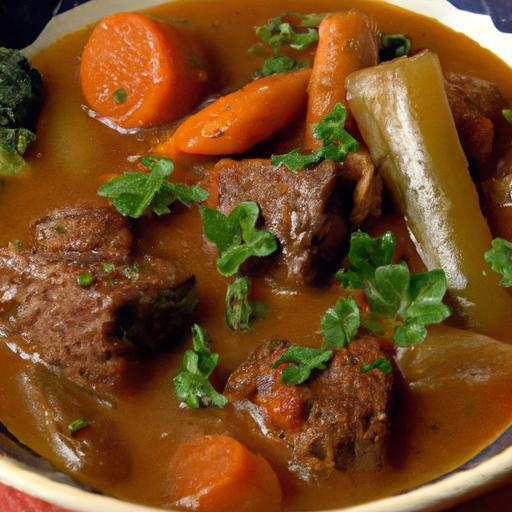
There’s something timeless about a steaming bowl of beef stew-its rich aromas and tender chunks of meat evoke cozy family dinners and the comfort of home. But what if this beloved classic could be reinvented too not only warm the soul, but also nourish the body in a purer, more wholesome way? Enter the hearty Paleo beef stew: a tasty twist on tradition that embraces the principles of the Paleo lifestyle, focusing on nutrient-dense, unprocessed ingredients that fuel your body the way nature intended. In this article, we’ll explore how this vibrant take on a familiar favorite combines robust flavors with the benefits of clean eating, proving that health and heartiness can coexist beautifully in one satisfying pot.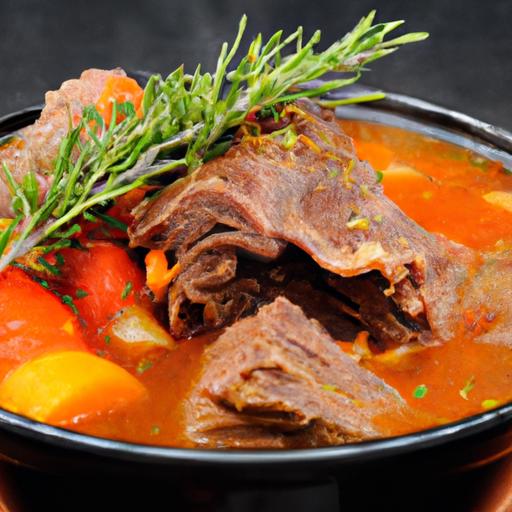
Benefits of Choosing Paleo Ingredients for your Beef Stew
hearty Paleo Beef Stew brings together the richness of traditional comfort food with the nourishing power of clean, whole foods. Rooted in the paleo philosophy of eating as our ancestors did,this stew replaces grains and processed ingredients with nutrient-dense vegetables and grass-fed beef,creating a vibrant dish that warms the soul and fuels the body. Whether you’re rekindling childhood memories of homemade stew or embarking on a new path to health, this recipe honors both heritage and wholesome simplicity.
Prep and Cook Time
- Preparation: 20 minutes
- Cooking: 2 hours 30 minutes
- Total Time: 2 hours 50 minutes
Yield
Serves 6 hearty portions
Difficulty Level
Medium – Ideal for home cooks cozy with slow simmering and managing multi-step recipes.
ingredients
- 2 lbs grass-fed beef chuck roast, cut into 1 ½-inch cubes
- 2 tbsp coconut oil
- 1 large yellow onion, finely chopped
- 3 cloves garlic, minced
- 4 medium carrots, peeled and sliced into thick rounds
- 3 celery stalks, chopped
- 2 large parsnips, peeled and cubed
- 2 cups butternut squash, peeled and diced
- 4 cups beef bone broth (preferably homemade or paleo-compliant)
- 1 can (14 oz) diced tomatoes, no added sugar
- 2 tsp fresh thyme, chopped (or 1 tsp dried thyme)
- 2 tsp fresh rosemary, chopped (or 1 tsp dried rosemary)
- 1 bay leaf
- Salt and freshly ground black pepper, to taste
- Fresh parsley, for garnish
Instructions
- Prepare the beef: Pat the beef cubes dry with paper towels to ensure a perfect sear. Season generously with salt and black pepper.
- Brown the meat: In a large heavy-bottomed pot or Dutch oven, heat the coconut oil over medium-high heat. Add the beef in batches, stirring occasionally, and sauté until each cube is golden brown on all sides-about 5 minutes per batch. Remove and set aside.
- Sauté aromatics: Lower the heat to medium. Add the onion and celery to the pot, cooking until softened and fragrant, about 5 minutes. Stir in the garlic and sauté for another 30 seconds to release its aroma without burning.
- Deglaze the pot: Pour in a splash of beef bone broth and use a wooden spoon to scrape up any flavorful browned bits stuck to the bottom. These bits create a deep, robust flavor foundation.
- Combine ingredients: Return the browned beef to the pot. Add the carrots, parsnips, butternut squash, diced tomatoes, thyme, rosemary, bay leaf, and remaining bone broth. stir everything gently to combine.
- Simmer slowly: Bring the stew to a gentle boil, then reduce heat to low. Cover and simmer uncovered for 2 to 2 ½ hours, stirring occasionally. The beef should become fork-tender, and the vegetables perfectly soft but intact.
- Final seasoning: Remove the bay leaf. Taste and adjust salt and pepper as needed.
- Serve: ladle the stew into deep bowls, garnish with fresh parsley, and enjoy the warming embrace of this paleo-inspired classic.
Tips for Success with Your Hearty paleo Beef Stew
- Choose quality meat: Opt for grass-fed beef chuck roast for the best flavor and fat composition that aligns with paleo principles.
- Don’t rush browning: Browning the meat in batches ensures even caramelization and a richer stew color and flavor.
- Vegetable swaps: Feel free to replace parsnips or butternut squash with sweet potatoes or turnips for subtle sweetness variations.
- Make it ahead: Stew flavors deepen overnight.Prepare a day ahead and refrigerate; reheat gently on the stove before serving.
- Thicken naturally: For a heartier broth, mash a few potato-like vegetables in the stew to release starch and thicken without flour or thickeners.
Serving Suggestions
This hearty paleo beef stew shines when served simply but thoughtfully. Scoop a generous portion into rustic bowls, then:
- Garnish with fresh chopped parsley or a sprig of thyme for a pop of color and herbal brightness.
- Accompany with a crisp side salad of mixed greens tossed in lemon and olive oil for contrast and freshness.
- Pair with warm,grain-free paleo bread or almond flour biscuits to soak up the rich broth.
- Top with a spoonful of fermented sauerkraut or pickled vegetables to add tang and gut-kind probiotics.

| Nutrient | Per Serving |
|---|---|
| Calories | 410 kcal |
| Protein | 38 g |
| Carbohydrates | 18 g |
| Fat | 22 g |
For more wholesome paleo recipes, check out our collection of paleo chicken recipes. To deepen your understanding of paleo nutrition,visit The Paleo Diet official guide.
Crafting the Perfect Balance of Flavors and textures
Hearty Paleo Beef Stew is more than just a comforting meal; it’s a party of robust flavors and satisfying textures perfectly suited for those embracing a nutrient-dense lifestyle. This stew brings together tender, slow-simmered beef chunks infused with earthy herbs and a medley of root vegetables, creating a symphony of tastes that feel both familiar and refreshingly wholesome. Drawing inspiration from traditional beef stew, this recipe transforms the classic by swapping out grains and dairy for paleo-friendly alternatives without sacrificing the dish’s beloved heartiness.
Prep and Cook time
- preparation: 20 minutes
- Cooking: 2 hours 15 minutes
- Total Time: 2 hours 35 minutes
Yield
Serves 6 hearty portions
difficulty Level
Medium – Ideal for home cooks ready to savor slow-cooked depth of flavor with straightforward steps.
Ingredients
- 2 lbs grass-fed beef chuck, cut into 1½-inch cubes
- 2 tbsp coconut oil or avocado oil
- 1 large yellow onion, diced
- 3 cloves garlic, minced
- 3 medium carrots, peeled and cut into thick rounds
- 2 large parsnips, peeled and chopped into chunks
- 2 stalks celery, sliced
- 1 cup butternut squash, cubed
- 4 cups beef broth, preferably grass-fed and low sodium
- 1 tbsp tomato paste
- 1 tsp dried thyme
- 1 tsp dried rosemary
- 2 bay leaves
- Salt and freshly ground black pepper, to taste
- 1 tbsp arrowroot powder (optional, for thickening)
- Fresh parsley, chopped (for garnish)
Instructions
- Heat the coconut oil in a large heavy-bottomed pot or Dutch oven over medium-high heat until shimmering.
- Season the beef cubes generously with salt and pepper. In batches, sear the beef until browned on all sides, about 4 minutes per batch. Avoid overcrowding to ensure even browning. Transfer browned beef to a plate.
- Reduce heat to medium and add the diced onion to the pot. Sauté until translucent and slightly golden, approximately 5 minutes, stirring occasionally.
- Add the garlic and tomato paste,cooking for 1 minute until fragrant. This step deepens the stew’s flavor base.
- Return the beef to the pot, along with the carrots, parsnips, celery, and butternut squash.
- Pour in the beef broth, ensuring the ingredients are mostly submerged. Stir in dried thyme, rosemary, and bay leaves.
- Bring the stew to a gentle boil, then reduce heat to low.Cover and let it simmer gently for 2 hours, stirring occasionally. The low and slow cooking tenderizes the meat and melds the flavors.
- Optional thickening: If a thicker consistency is desired, mix arrowroot powder with 2 tablespoons of cold water to form a slurry. Stir this into the stew and simmer uncovered for another 5-10 minutes until thickened.
- Discard bay leaves, adjust seasoning with salt and pepper to taste.
- Serve hot, garnished generously with fresh parsley.Enjoy the harmony of rich, meaty flavor, sweet earthiness from root vegetables, and subtle herbal notes.
Tips for Success
- Choose quality beef: Using grass-fed beef enhances flavor and keeps the stew paleo-compliant.
- Layer your flavors: Don’t rush the browning process; it creates the stew’s deep, savory foundation.
- Customize your veggies: Substitute sweet potatoes or turnips if desired, keeping within paleo-friendly ingredients.
- Make ahead: The flavors deepen wonderfully overnight. Prepare a day in advance for even richer taste.
- Freezing tip: This stew freezes beautifully. Cool completely, portion into airtight containers, and thaw gently before reheating.
Serving Suggestions
To complement the rustic soul of this stew,serve it with a crisp side of sautéed leafy greens such as kale or Swiss chard to add a fresh contrast.Garnish with a sprinkle of chopped parsley or fresh thyme leaves for vibrant color and a hint of brightness. for those following a paleo lifestyle strictly, a side of roasted Brussels sprouts or cauliflower mash makes an excellent accompaniment to soak up every drop of this luscious broth.
| Nutrition per Serving | Calories | Protein | Carbs | Fat |
|---|---|---|---|---|
| Hearty Paleo Beef Stew | 450 kcal | 38 g | 14 g | 22 g |
For more nourishing paleo recipes to enrich your meal plan, explore our comprehensive collection.Learn more about the nutritional benefits of grass-fed beef on EatWild.
Incorporating Seasonal Vegetables for Enhanced Nutrition
Hearty Paleo Beef Stew is elevated to new heights when paired with vibrant, seasonal vegetables, adding layers of flavor, color, and nutrition that transform this classic dish into a wholesome celebration of the harvest. Incorporating fresh, locally sourced vegetables not only enriches the stew’s texture but also boosts its nutrient profile, making every spoonful both comforting and nourishing.
Imagine tender chunks of beef simmering alongside bright orange carrots, luscious golden butternut squash, and earthy purple cauliflower florets. Each vegetable contributes its unique taste and health benefits,from beta-carotene and antioxidants to fiber and vitamins. This mindful blend showcases how seasonal produce enhances the soul-warming qualities of the stew, resulting in a dish as visually enticing as it is satisfying.
Prep and Cook Time
- Preparation: 25 minutes
- Cook Time: 2 hours 10 minutes
- total Time: 2 hours 35 minutes
yield
Serves 6 generous portions
Difficulty Level
Medium – Perfect for home cooks looking to deepen their skillset with rustic, balanced flavors.
Ingredients
- 2 lbs beef chuck roast, cut into 1.5-inch cubes
- 2 tbsp avocado oil
- 1 large yellow onion, diced
- 3 cloves garlic, minced
- 3 medium carrots, peeled and sliced on the bias
- 2 cups butternut squash, peeled and cubed
- 1 small purple cauliflower, cut into small florets
- 3 celery stalks, chopped
- 4 cups beef bone broth, homemade or low-sodium
- 1 cup canned crushed tomatoes, no sugar added
- 2 tsp fresh thyme leaves
- 1 tsp smoked paprika
- 1 bay leaf
- Salt and freshly ground black pepper, to taste
- Fresh parsley, for garnish
Instructions
- Heat avocado oil in a large heavy-bottom pot over medium-high heat. Pat beef cubes dry,season with salt and pepper,and sear until browned all over,about 3-4 minutes per batch. Remove and set aside.
- Reduce heat to medium. Add diced onion and celery to the pot.Sauté until translucent,approximately 5 minutes,stirring occasionally to develop sweetness and prevent burning.
- Add minced garlic and cook for another 30 seconds until fragrant. return beef to the pot.
- Stir in crushed tomatoes, thyme, smoked paprika, and bay leaf. pour in beef bone broth. Bring to a gentle simmer,then cover and cook for 1.5 hours, stirring occasionally.
- After 1.5 hours, add the carrots, butternut squash, and purple cauliflower florets. stir gently to combine.
- cover and continue cooking for 40 minutes to allow the seasonal vegetables to soften but retain slight bite for texture contrast.
- Adjust seasoning with salt and pepper. Remove bay leaf before serving.
- Garnish with freshly chopped parsley and serve hot for a truly nourishing experience.
Tips for Success
- For a deeper beef flavor, consider using beef marrow bones in your broth or slow-cooking the stew in a heavy Dutch oven or slow cooker.
- If butternut squash is unavailable,substitute with kabocha or acorn squash for similarly sweet and hearty results.
- To maintain vegetable vibrancy, add them during the final cooking phase rather than the begining.
- Leftovers improve in flavor after a day; store in airtight containers and gently reheat on the stove.
- For a thicker stew, remove the lid during the last 15 minutes to reduce liquid.
Serving Suggestions
This stew pairs beautifully with rustic sides like steamed greens or a crisp cabbage slaw to cut the richness. A drizzle of extra virgin olive oil or a sprinkle of freshly cracked pepper brings added depth. for texture, garnish with toasted slivered almonds or chopped walnuts. Serve in wide, shallow bowls to showcase the colorful bounty of seasonal vegetables, making each serving a feast for both the eyes and palate.

| Nutrient | Per Serving |
|---|---|
| Calories | 420 kcal |
| Protein | 38 g |
| Carbohydrates | 22 g |
| Fat | 18 g |
For more ways to enrich your Paleo meals, explore our Paleo One-Pot Dinner Recipes. To understand the benefits of seasonal vegetables in boosting immunity and energy levels, visit Healthline’s in-depth guide.
Expert Tips for Slow Cooking a Tender and Flavorful Stew
Hearty Paleo Beef stew brings together the rustic soul of traditional stew with a nourishing Paleo twist, making it a comforting yet healthful meal that satisfies on every level. This recipe, inspired by family gatherings around crackling fires, celebrates tender, slow-cooked beef infused with a bouquet of earthy herbs and vibrant root vegetables. The magic lies in patience and balance-letting flavors meld and meats melt into a velvety masterpiece that warms both body and spirit.
Prep and Cook Time
- Preparation: 20 minutes
- Cooking: 6 to 8 hours (slow cooker) or 3 hours (Dutch oven)
Yield
Serves 6 hearty portions
Difficulty Level
Medium – Ideal for cooks comfortable with slow cooking and layering flavors
Ingredients
- 2 lbs grass-fed beef chuck, cut into 1½-inch cubes
- 3 tbsp avocado oil or clarified butter
- 1 large yellow onion, diced
- 3 cloves garlic, minced
- 4 cups beef bone broth, homemade or low-sodium store-bought
- 3 medium carrots, peeled and chopped
- 3 stalks celery, sliced
- 2 medium parsnips, peeled and diced
- 1 medium rutabaga, peeled and cubed
- 1 cup diced heirloom tomatoes (canned or fresh)
- 2 tsp dried rosemary
- 2 tsp dried thyme
- 1 tsp smoked paprika
- Salt and freshly ground black pepper to taste
- 1 tbsp coconut aminos (optional, adds umami depth)
- Fresh parsley for garnish
Instructions
- Prepare the beef: Pat the beef dry with paper towels to ensure proper browning. Season generously with salt and pepper.
- Sear the meat: Heat avocado oil in a heavy-bottomed skillet or Dutch oven over medium-high heat.Add beef cubes in batches, searing until deeply golden on all sides (about 3-4 minutes per batch).Set aside.
- Sauté aromatics: Using the same pot, reduce heat to medium, add the diced onion and celery. Sauté until translucent and fragrant, about 5 minutes. Stir in minced garlic and cook until just fragrant,about 1 minute.
- Deglaze the pot: Pour in the beef bone broth, scraping all the flavorful browned bits from the bottom with a wooden spoon-this step injects the stew with rich, concentrated flavor.
- Build the stew: Return the seared beef to the pot along with carrots, parsnips, rutabaga, tomatoes, rosemary, thyme, smoked paprika, and coconut aminos if using.
- Slow cook: For slow cooker method, transfer everything to the cooker and cook on low for 6-8 hours until beef is fork-tender and vegetables are luscious. For stovetop/dutch oven method, cover and simmer gently for 2.5-3 hours, stirring occasionally to prevent sticking.
- Final seasoning: Taste the stew and adjust salt and pepper as needed. If the stew is too thin, uncover and simmer over medium heat until slightly reduced to your preferred consistency.
- Serve and garnish: Ladle the stew into bowls and sprinkle with freshly chopped parsley.A drizzle of avocado oil or a squeeze of fresh lemon juice brightens the dish beautifully.
Getting a perfectly tender and flavorful stew starts with quality ingredients and thoughtful technique. Hearty Paleo Beef Stew shines when you choose well-marbled chuck and take the time to brown the meat thoroughly.This Maillard reaction not only deepens flavor but also creates a luscious base for the broth.
Don’t rush the slow cooking stage-allow low and slow heat to gently break down connective tissues, transforming chewy beef into a melt-in-your-mouth experience. Including a variety of root vegetables such as parsnips and rutabaga adds natural sweetness and complex texture,layering depth without overpowering the beef.
herbs like rosemary and thyme provide earthy notes, while smoked paprika introduces subtle warmth and color. Incorporating umami-enhancers like bone broth and coconut aminos helps amplify savoriness without relying on grains or gluten.
To avoid a watery stew,be cautious with liquid measurements and simmer uncovered in the final 30 minutes to thicken naturally. If possible, prepare this dish a day ahead-flavors evolve beautifully overnight, resulting in an even more harmonious presentation.
Chef’s Notes & tips for Success
- Substitutions: Swap rutabaga with turnips or kohlrabi for a different twist, or add mushrooms for an earthy, meaty texture.
- Make ahead: This stew tastes better the next day. Store in the fridge for up to 3 days or freeze in portioned containers.
- For thicker stew: Blend a small cup of cooked root veggies and stir back in for extra body without compromising Paleo guidelines.
- Spice it up: Add a pinch of crushed red pepper flakes or fresh ground black pepper for heat.
- Bone broth tip: Using homemade broth enhances nutrients and flavor. If store-bought, choose low sodium and high quality.
Serving Suggestions
Present this glowing stew in rustic, deep bowls to retain warmth longer, and garnish with fresh parsley or a sprinkle of chopped green onions for brightness. Serve alongside roasted garlic mashed cauliflower or simply with a thick slice of almond flour bread for soaking up the rich broth. A light salad of crisp greens dressed with lemon vinaigrette will refresh the palate.
| nutrient | Per Serving |
|---|---|
| Calories | 420 kcal |
| Protein | 38 g |
| Carbohydrates | 15 g |
| Fat | 22 g |
For those inspired to explore more nutrient-dense recipes that celebrate real foods, visit our Paleo dinners Collection. Additionally, learn more about the nutritional advantages of grass-fed beef at the USDA official site.
Q&A
Q&A: Hearty Paleo Beef Stew – A Nutritious Twist on Tradition
Q1: What makes this Paleo beef stew different from a traditional beef stew?
A1: This Paleo beef stew swaps out conventional ingredients like flour-based thickeners and potatoes for nutrient-dense veggies and natural thickeners.Instead of heavy starches, it embraces earthy root vegetables and cauliflower for texture and nutrition. The focus is on whole,unprocessed foods that align with ancestral eating patterns,making the stew both hearty and healthful.Q2: What cuts of beef work best for this stew?
A2: Tougher, well-marbled cuts such as chuck roast or brisket shine in this recipe. Their connective tissues break down beautifully during slow cooking, resulting in tender, flavorful meat that melts in your mouth while adding richness to the broth.
Q3: How can I naturally thicken the stew without using flour or cornstarch?
A3: to thicken your stew the Paleo way, try pureeing a portion of cooked root vegetables like carrots or parsnips and stirring them back into the pot. This adds body and creaminess without relying on grains or processed starches.
Q4: Which vegetables complement the beef without straying from Paleo principles?
A4: Think colorful, nutrient-packed choices like carrots, celery, onions, turnips, and mushrooms. These add depth, sweetness, and umami, while remaining true to Paleo guidelines. Fresh herbs like thyme and rosemary enhance the flavor profile beautifully.
Q5: Can this stew be adapted for instant pot or slow cooker methods?
A5: Absolutely! This recipe is perfect for slow cooking, allowing flavors to meld and beef to tenderize over several hours. In an Instant pot, you can achieve similarly tender results in under an hour, making it a convenient option for busy days.
Q6: How does this stew support overall nutrition within a Paleo lifestyle?
A6: Loaded with high-quality protein,healthy fats,and an array of antioxidants from fresh vegetables and herbs,this stew fuels your body without processed additives. It’s a warm,satisfying meal that promotes sustained energy and gut health,key elements of the Paleo approach.
Q7: What are some creative ways to serve this Paleo beef stew?
A7: Serve it straight from the pot for a classic bowl of comfort, or get creative by ladling it over mashed cauliflower or zucchini noodles.Garnishing with fresh parsley or a sprinkle of nutritional yeast adds a bright finishing touch.
Q8: Any tips for boosting the flavor without relying on traditional thickeners or additives?
A8: Slow simmering the stew with bone broth imparts deep,savory notes and natural gelatin,which enriches the texture. Adding a splash of coconut aminos or a hint of smoked paprika can also elevate complexity while staying Paleo-friendly.
The Conclusion
As the aroma of this hearty Paleo beef stew settles in your kitchen, it’s clear that tradition doesn’t have to be rigid-especially when nourished with wholesome, nutrient-packed ingredients. This stew offers more than just comfort; it’s a celebration of time-honored flavors reimagined through the lens of Paleo principles.Whether you’re seeking to embrace a cleaner way of eating or simply craving a soul-satisfying meal, this recipe invites you to savor every bite with the knowledge that you’re fueling your body with both taste and nutrition. So next time the weather turns chilly or your appetite calls for something substantial, remember that nourishing your body and honoring culinary heritage can harmoniously coexist in one delicious pot.