
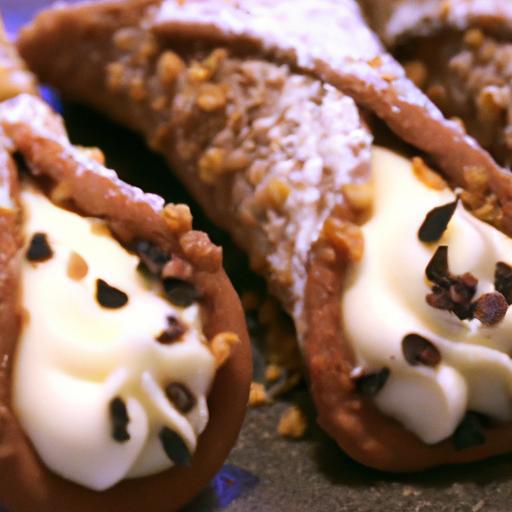
Beneath the golden, crisp exterior of a cannoli lies a world rich with history, culture, and culinary artistry-a sweet symphony of textures and flavors that has captivated dessert lovers for centuries. “Crunchy Delight: The art and History of Cannoli Treats” invites you on a journey through time and tradition,exploring the origins of this iconic Sicilian pastry,the painstaking craftsmanship behind its perfect crunch,and the luscious fillings that transform simple ingredients into a beloved indulgence. From humble beginnings in ancient Sicily to its celebrated place on modern dessert menus worldwide, the cannoli is more than just a treat-it’s a story of heritage, creativity, and the timeless joy of savoring a crunchy delight.
Origins of the Cannoli Tradition and Its Cultural Significance
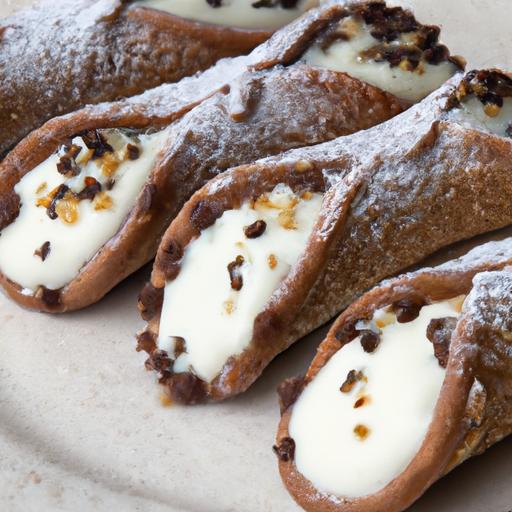
crunchy Delight is more than just a treat; it is a symbol of Sicilian heritage wrapped in a crispy shell filled with creamy sweetness. Originating in the heart of sicily, cannoli have transcended generations and borders to become one of the most cherished Italian desserts worldwide. Legend holds that cannoli were originally crafted during Carnevale,the vibrant festival preceding Lent,symbolizing indulgence and festivity before a period of austerity. Their distinctive form, with a golden fried pastry tube embracing a luscious ricotta filling, echoes the Sicilian love for contrasts: crunchy yet creamy, simple yet rich.
My first encounter with cannoli was during a sun-drenched afternoon in Palermo,where a street vendor handed me a freshly made one from a bustling market stall. The warm shell shattered delicately between my teeth, revealing a subtly sweet, fragrant filling speckled with candied citrus peel and dark chocolate chips. It was a crunchy delight in every sense-an artful balance of texture and flavor, steeped in centuries of tradition.
Prep and cook Time
- Planning: 40 minutes
- Chilling: 1 hour (for dough and filling)
- Cooking (Frying): 10 minutes
- Total time: Approximately 1 hour 50 minutes
Yield
Makes 8 classic cannoli (depends on size of shells)
Difficulty Level
Medium – Requires some frying and dough handling skills, but fully achievable with detailed steps.
Ingredients
- For the Shells:
- 1 ½ cups all-purpose flour, sifted
- 2 tbsp granulated sugar
- ¼ tsp salt
- 3 tbsp unsalted butter, cold and diced
- 1 large egg yolk
- ⅓ cup dry white wine (or substitute with sparkling water for alcohol-free)
- Vegetable oil, for frying
- For the Filling:
- 1 ½ cups whole-milk ricotta, drained and smooth
- ½ cup powdered sugar, sifted
- 1 tsp pure vanilla extract
- ¼ cup mini dark chocolate chips
- 2 tbsp finely chopped candied orange peel
- For Garnish:
- Powdered sugar, for dusting
- Chopped pistachios (optional)
The Cultural Crunchy Delight: Tradition and Technique
At its heart, the art of making cannoli is passed down through Sicilian families and local artisans, where every step carries ritual importance. The dough must be rolled thin enough to fry up crisp but sturdy enough to hold its voluptuous filling. The ricotta filling is carefully whipped to airy sweetness, ofen customized with a touch of citrus or chocolate, illustrating regional creativity.
Instructions
- Prepare the Dough: In a bowl, combine all-purpose flour, sugar, and salt. Cut in the cold butter with yoru fingertips or a pastry blender until the mixture resembles coarse crumbs.
- Add Egg Yolk and Wine: Stir in the egg yolk and gradually add dry white wine, mixing until a smooth dough forms. Knead gently on a floured surface for about 5 minutes until elastic and smooth.
- Rest the Dough: Wrapping the dough in plastic wrap, refrigerate for at least 1 hour to relax the gluten, allowing for easier rolling.
- Shape the Shells: Roll out the dough paper-thin (about 1/16 inch), and cut into 5-inch circles. Carefully wrap each circle around a cannoli tube, sealing edges with a little water.
- Heat Oil and Fry: Heat vegetable oil in a deep pot to 350°F (175°C). Fry each cannoli shell carefully until golden brown and crisp, approximately 2-3 minutes, turning once.Drain on paper towels and let cool before removing the tubes gently.
- Prepare the Filling: In a chilled bowl, whisk the ricotta with powdered sugar and vanilla extract until smooth and fluffy. gently fold in chocolate chips and candied orange peel.
- Fill the Shells: Using a piping bag or a spoon, fill each shell from both ends with the creamy ricotta mixture just before serving to keep shells crunchy.
- Garnish and Serve: Dust with powdered sugar and sprinkle chopped pistachios on the ends if desired. Serve promptly for best texture contrast.
Tips for Success
- Dry Ricotta: Ensure your ricotta is well-drained-wrap it in a cheesecloth and place in the refrigerator for a few hours to prevent a watery filling.
- Rolling is key: Thin dough is essential; too thick and the shell becomes tough. Use a pasta machine if available for even thickness.
- Frying Temperature: Maintain consistent oil heat to avoid greasy shells.Use a candy thermometer for precision.
- Make Ahead: The filling can be made a day in advance and refrigerated. fill shells only when ready to serve for maximum crunch.
- Variations: For a nutty twist, fold ground pistachios into the filling or swap chocolate chips for mini dried cranberries.
Serving Suggestions
Present your crunchy delight on a rustic wooden board or elegant platter. Pair with freshly brewed espresso or a zesty citrus tea to complement the sweet creaminess of the filling. Garnish plates with extra candied peel, edible flowers, or a light drizzle of high-quality honey for an unforgettable finish.Perfect for festive gatherings or as a shining finish to a Mediterranean-inspired meal.

| Nutritional Info (per cannoli) | Calories | Protein | Carbohydrates | Fat |
|---|---|---|---|---|
| classic Sicilian Style | 280 kcal | 6 g | 30 g | 14 g |
For more on conventional italian desserts, explore our Authentic Italian Pastries collection. To delve deeper into the cultural history of Sicilian sweets, visit britannica’s cannoli overview, a rich resource on this beloved dessert’s heritage.
Mastering the Perfect Cannoli Shell: Techniques and Tips
Crunchy Delight cannoli shells are the foundation of an irresistible Italian treat that captivates with their delicate crispness and golden hue. Perfecting these shells means mastering a balance between a supple yet sturdy dough and the precise frying technique that yields that unforgettable snap with every bite. Rooted in Sicilian tradition, these shells not only encase creamy fillings but also tell a story of culinary craftsmanship passed through generations.
Prep and cook Time
- Preparation: 20 minutes
- Resting Dough: 1 hour
- Cooking: 15 minutes
- Total Time: Approximately 1 hour 35 minutes
Yield
Approximately 20 cannoli shells (about 10 servings)
Difficulty Level
Medium – requires attention to detail but is rewarding for home cooks ready to elevate their pastry skills
Ingredients
- 1 ½ cups all-purpose flour, sifted
- 2 tablespoons granulated sugar
- ½ teaspoon ground cinnamon
- 1/4 teaspoon fine sea salt
- 1 large egg
- 2 tablespoons unsalted butter, softened
- 1/4 cup marsala-flavored simple syrup or substitute with lightly sweetened orange juice (for moisture without alcohol)
- 1 tablespoon white vinegar
- Vegetable oil (for frying, about 4 cups)
Instructions
- Mix dry ingredients: In a large bowl, combine the sifted flour, sugar, cinnamon, and sea salt. Whisk gently to distribute the spices evenly.
- Create dough base: Make a well in the center and add the egg, butter, vinegar, and Marsala simple syrup or orange juice substitute. Stir with a fork until the mixture begins to come together.
- Knead: Transfer dough to a floured surface.Knead vigorously for about 8-10 minutes until the dough becomes smooth, elastic, and slightly firm yet pliable. If sticky, dust with minimal flour – avoid over-flouring to keep shells tender.
- Rest dough: Wrap dough in plastic wrap and let it rest at room temperature for 1 hour. This resting step relaxes the gluten, ensuring easier rolling and crisp, non-tough shells.
- Roll and cut: Divide dough into 4 equal parts. Using a pasta roller or rolling pin, roll each piece extremely thin, about 1/16 inch thickness. Cut dough into 4-inch circles or ovals using a cookie cutter or sharp knife.
- Form shells: Wrap each circle tightly around cannoli tubes,sealing edges with a dab of water. Make sure ther are no air bubbles to avoid bursting during frying.
- Heat oil: In a deep pot, heat vegetable oil to 350°F (175°C). Use a candy or deep-fry thermometer for precise control.
- Fry shells: Gently lower cannoli tubes into oil in batches. Fry for 2-3 minutes or until a deep golden brown, turning occasionally for even colour. Use tongs to avoid damage.
- Drain and cool: remove shells on tubes from oil and place on paper towels to drain excess oil. Let cool completely before sliding shells off tubes gently.
- Store or fill: Once cooled, shells can be stored in an airtight container for up to two days to preserve crunch.Fill just before serving with your favorite creamy filling.
Tips for Success: Elevate Your Crunchy Delight cannoli Shells
- Control dough thickness: Rolling the dough paper-thin is key to crisp shells. Use a pasta roller for uniformity.
- Proper oil temperature: Frying at 350°F ensures a golden color without absorbing oil – too cool and shells get greasy, too hot and they burn quickly.
- Use fresh dough: Let dough rest well but avoid over-storing; stale dough becomes brittle.
- Seal with care: Use just enough water to close edges; too much moisture creates bubbles or breaks during frying.
- Make ahead: shells freeze well after frying and cooling. Reheat briefly in a 300°F oven to reclaim crispness.
- experiment with spices: Cinnamon is classic, but add a hint of nutmeg or citrus zest into dough for a unique twist.
- Shell shapes: for a rustic charm, try cutting dough into rectangles and folding over tubes; they look artisanal and cook evenly.
- For oil choice: Use neutral vegetable or peanut oil for clean flavor and high smoke point.
Serving Suggestions
The joy of crunchy delight cannoli shells lies not only in their texture but also in their versatility when paired with luscious fillings.Traditionally, a sweet ricotta mixture dotted with chocolate chips or candied fruit is a sumptuous choice. Garnish the end of filled shells with chopped pistachios, mini chocolate chips, or a light dusting of powdered sugar to add visual appeal and additional layers of flavor.
Serve on a decorative platter lined with parchment and accented by fresh mint leaves or edible flowers for an elegant presentation. For an extra touch,dip ends of the filled shells in melted dark chocolate before garnishing.

| Nutrition | Per Shell |
|---|---|
| Calories | 140 |
| Protein | 2g |
| Carbohydrates | 18g |
| Fat | 7g |
To deepen your mastery, explore related Italian pastry techniques like making Italian Pastries: Beyond cannoli. For historical context and traditional variations, visit Britannica’s cannoli article. Unlocking the secrets to these crunchy delight shells transforms your kitchen into a Sicilian bakery, inviting you to savor history – one bite at a time.
Exploring Classic and Innovative Fillings for Every Palate
Crunchy Delight cannoli fillings offer a world of flavors, textures, and experiences that invite both tradition and innovation into your kitchen. Originating from the soulful streets of Sicily, these sweet, creamy treasures have evolved far beyond the classic ricotta filling, embracing unexpected ingredients that please every palate. Whether you crave the timeless elegance of semolina-scented ricotta or crave a daring twist of chocolate hazelnut and candied orange zest, the art of filling your shells is where personal flair meets culinary mastery.
Prep and Cook Time
- Preparation Time: 30 minutes (plus chilling time for fillings)
- Cook time: 15 minutes (for shells, if making homemade)
- Total Time: 45 minutes to 1 hour
Yield
Serves approximately 12 filled cannoli shells
Difficulty Level
Medium – Ideal for confident home bakers ready to explore both traditional and inventive fillings
Ingredients
- Classic Ricotta Filling:
- 2 cups whole milk ricotta cheese, drained thoroughly
- ¾ cup powdered sugar, sifted
- 1 tsp pure vanilla extract
- 1 tsp finely grated lemon zest
- ¼ cup mini dark chocolate chips
- 1 tbsp toasted chopped pistachios (optional)
- Innovative Chocolate hazelnut Filling:
- 1 cup ricotta cheese, drained
- ⅓ cup chocolate-hazelnut spread (nut-free alternative: sunflower seed butter)
- 2 tbsp finely chopped toasted hazelnuts
- 1 tsp pure vanilla extract
- candied Citrus & Mascarpone Filling:
- 1 cup mascarpone cheese
- ½ cup ricotta, drained
- 3 tbsp finely chopped candied orange peel
- 2 tbsp powdered sugar
- 1 tsp orange blossom water (optional)
Instructions
- Prepare Ricotta: Place ricotta in a fine mesh sieve lined with cheesecloth and allow to drain in the refrigerator for at least 2 hours or overnight for a thick, creamy texture.
- Mix Classic Filling: In a bowl, combine the drained ricotta, powdered sugar, vanilla extract, and lemon zest until smooth. Fold in mini chocolate chips and toasted pistachios for crunch and color.
- Prepare Chocolate Hazelnut Filling: Blend ricotta and chocolate-hazelnut spread until fluffy and smooth.Gently fold in toasted hazelnuts. Refrigerate until ready to use.
- Create Candied Citrus & Mascarpone Filling: whisk mascarpone and ricotta together with powdered sugar until creamy. Stir in candied orange peel and orange blossom water, adding a sunny burst of flavor.
- Fill Cannoli Shells: Using a piping bag fitted with a medium round tip, carefully fill each shell from both ends to avoid breakage, ensuring the filling reaches the center for a perfect bite.
- Chill and Garnish: Refrigerate filled cannoli for at least 30 minutes for flavors to meld beautifully. Just before serving,dust with powdered sugar and garnish ends with extra chopped nuts or candied peel.
Tips for Success
- Drain ricotta thoroughly to prevent watery fillings that can soften shell crispness.
- For a nut allergy-kind option, replace nuts with toasted coconut flakes or finely crushed freeze-dried fruit.
- To add natural sweetness, fold in finely chopped dried cherries or blueberries instead of chocolate chips.
- Prepare fillings a day ahead to deepen flavors; store tightly covered in the refrigerator.
- If making shells from scratch, fry them in neutral oil at 375°F until golden and crisp, approximately 2 minutes each side.
Serving Suggestions
Present your cannoli on a long, elegant platter lined with parchment paper to highlight their crunch and creaminess at first glance. A drizzle of extra dark chocolate or a sprinkle of cocoa powder enhances decadence. Pair with a cup of rich espresso or herbal tea to balance the sweetness. For visual impact, try a lined board sprinkled with chopped pistachios, candied citrus rind, or edible flowers.

| Filling | Calories (per serving) | Protein | Carbs | Fat |
|---|---|---|---|---|
| Classic Ricotta | 220 | 7g | 28g | 9g |
| Chocolate Hazelnut | 260 | 6g | 24g | 15g |
| Candied Citrus & Mascarpone | 240 | 6g | 22g | 13g |
For an extended exploration of Italian desserts and their cultural roots, see our complete guide on Italian sweets. To dive deeper into ricotta’s culinary versatility, visit the serious eats ricotta cheese overview.
Pairing Cannoli with Beverages for an Elevated Dessert Experience
Crunchy Delight is the perfect canvas not only for rich, creamy fillings but also for thoughtfully paired beverages that elevate every bite into an unforgettable dessert experience.The delicate crispiness of the cannoli shell, combined with the sweet, velvety ricotta filling, creates an extraordinary contrast that deserves a companion drink to highlight its nuances. Exploring these pairings can transform a simple treat into a elegant finale to any meal, inviting you to savor layers of flavor and texture in harmony.
Prep and Cook Time
Preparation: 25 minutes | Cooking: 15 minutes | Total: 40 minutes
Yield
Serves 6, making 12 classic-sized cannoli.
Difficulty Level
Medium – perfect for adventurous home cooks with a passion for texture and flavor balance.
Ingredients
- 1 cup all-purpose flour, sifted
- 2 tbsp granulated sugar
- 1/4 tsp salt
- 2 tbsp unsalted butter, chilled and cubed
- 1 large egg yolk
- 1/4 cup cold white wine substitute (such as sparkling water with a splash of lemon juice)
- 1 cup ricotta cheese, well-drained
- 1/3 cup powdered sugar, sifted
- 1 tsp vanilla extract
- 1/4 cup mini chocolate chips (optional)
- Vegetable oil for frying
Instructions
- Prepare the dough: In a mixing bowl, combine the flour, sugar, and salt. Cut in the butter with fingertips or a pastry cutter until the mixture resembles coarse crumbs.
- Add egg yolk and liquid: Stir in the egg yolk and the cold white wine substitute gradually, mixing until a firm dough forms. Wrap dough in plastic and refrigerate for at least 30 minutes.
- Roll out dough: On a floured surface, roll dough thinly (about 1/8 inch). Use a 4-inch round cutter to cut circles.
- Shape cannoli shells: Wrap each circle around a metal cannoli tube, sealing edges with a dab of water.
- heat oil: In a deep pot, heat vegetable oil to 350°F (175°C). Fry shells in batches until golden and crisp,about 2-3 minutes. Remove and drain on paper towels. Let cool slightly before removing shells from tubes.
- Prepare filling: Whisk ricotta cheese with powdered sugar and vanilla until smooth.Fold in mini chocolate chips, if using.
- Assemble cannoli: just before serving, pipe or spoon the filling into each shell from both ends to prevent sogginess.
Tips for Success
- Ensure ricotta is well-drained to avoid watery filling-wrap in cheesecloth and drain overnight if possible.
- Roll dough thinly for crisp shells; thick dough will be heavy and chewy rather than crunchy.
- Use cold liquid to keep the dough tender but workable.
- Fill just before serving for optimal crunchiness – shells soften quickly when filled too early.
- For a twist, add orange zest or crushed pistachios into the filling for extra aroma and texture.
- Use metal tubes to shape shells perfectly; parchment or silicone forms won’t hold the dough’s shape during frying.
Suggested Beverage Pairings for Crunchy Delight
To truly amplify the Crunchy Delight, consider beverages that complement both texture and flavor without overpowering the delicate sweetness. Here are some inspirations:
- Espresso or dark coffee: The bold,bittersweet notes cut through the silky filling,creating a luscious balance.
- Herbal teas: Chamomile or peppermint offer subtle floral or minty hints that refresh the palate between bites.
- Italian soda or sparkling water with lemon: The effervescence and citrus brightness lift the richness without adding heaviness.
- Sweetened almond milk: A smooth and nutty option that plays well with ricotta’s creamy texture.
- Cold brew coffee with a splash of vanilla almond milk: A contemporary favorite that pairs beautifully with the sweet and crunchy components.
Serving Suggestions
Present cannoli elegantly by arranging them on a rustic wooden board or a polished ceramic platter. Lightly dust with powdered sugar and garnish with a few candied orange peels or toasted pistachio crumbs for color and flair. Serve alongside the chosen beverage in clear glass cups or espresso shots to showcase the inviting textures and tones. For added indulgence,place a small bowl of dipping dark chocolate or a miniature jug of honey alongside to drizzle sparingly.
| Nutrient | Per Serving (2 cannoli) |
|---|---|
| Calories | 320 |
| Protein | 8g |
| Carbohydrates | 34g |
| Fat | 15g |

For more recipes celebrating Italian classics,visit our Italian dessert recipes collection.Discover the interesting history behind cannoli and other iconic treats on Britannica.
Q&A
Q&A: Crunchy Delight – the Art and History of Cannoli Treats
Q: What exactly is a cannoli, and why is it considered a classic Italian dessert?
A: A cannoli is a traditional Sicilian pastry consisting of tube-shaped shells of fried dough, filled with a sweet, creamy filling typically made from ricotta cheese. Its iconic crunchy shell paired with a smooth, luscious center has made it a beloved emblem of Italian dessert culture, symbolizing both festive joy and artisanal craftsmanship.
Q: Where and when did cannoli originate?
A: Cannoli trace their roots back to Sicily, Italy, with origins believed to date as far back as the Arab rule of the island around the 9th century. Initially created as a dessert to celebrate Carnevale-Sicily’s festive carnival season-the treat has as become a year-round favorite both in Italy and around the world.
Q: What are the key ingredients that make a traditional cannoli shell?
A: The hallmark crunchy shell is made from a simple dough of flour, sugar, a pinch of salt, and a splash of vinegar or wine for crispness (though some recipes omit wine).The dough is rolled thin, cut into ovals, then wrapped around metal tubes and deep-fried to golden perfection, creating a crackling texture that contrasts beautifully with the creamy filling.
Q: Can you explain the typical filling used in cannoli?
A: The classic cannoli filling centers on ricotta cheese, often made from sheep’s milk in Sicily, which is whipped smooth and sweetened with sugar. Variations might include a hint of vanilla, citrus zest such as orange or lemon, and sometimes small chocolate chips or candied fruit for bursts of flavor. The filling is typically piped fresh into the shells just before serving to maintain the shell’s crunch.
Q: Are there any symbolic meanings or cultural traditions tied to cannoli?
A: Absolutely! Cannoli are rich in cultural symbolism, often linked to fertility and abundance due to their cylindrical shape and sweet richness. They feature prominently during celebrations like Carnevale and family gatherings, serving as a delicious reminder of Italian heritage and the joy of sharing homemade delights.
Q: How have cannoli evolved in modern cuisine?
A: Today, chefs and bakers experiment creatively with cannoli, introducing fillings such as chocolate mousse, pistachio cream, or even fruity gelatos. The shells sometimes come with unique twists too-infused with cocoa, dusted with cinnamon, or decorated with crushed nuts-while still honoring the essence of the original crunchy and creamy contrast.Q: What tips can a home baker follow to master crunchy cannoli shells?
A: Achieving the perfect cannoli shell requires attention to dough thickness-it should be rolled surprisingly thin for lightness-and frying at the right temperature, usually around 350°F (175°C), to avoid greasy or overly browned results. Using the proper cannoli forms to shape the shells ensures they hold their iconic tubular shape. Patience in cooling and filling right before serving helps retain that coveted crunch.
Q: How do cannoli reflect Sicilian culture beyond just taste?
A: More than a dessert, cannoli represent Sicily’s layered history-a fusion of Mediterranean influences seen in their ingredients and technique. The communal process of making cannoli embodies Southern Italian warmth and hospitality, making each crunchy, creamy bite a small celebration of sicilian identity and craftsmanship.
To Wrap It Up
From its humble beginnings in the vibrant streets of Sicily to its celebrated place on dessert tables worldwide,the cannoli stands as a testament to the timeless appeal of crunchy shells and creamy,sweet fillings. This delectable treat is more than just a pastry; it’s a delicious story baked into every bite-an art form that continues to evolve while honoring traditions centuries old.Whether enjoyed in a bustling Sicilian market or crafted in your own kitchen, the crunchy delight of a perfectly filled cannoli invites us all to savor history, culture, and craftsmanship wrapped in a pastry tube. As you take your next bite,remember: you’re not just tasting dessert-you’re experiencing a rich legacy of flavor and artistry passed down through generations.