
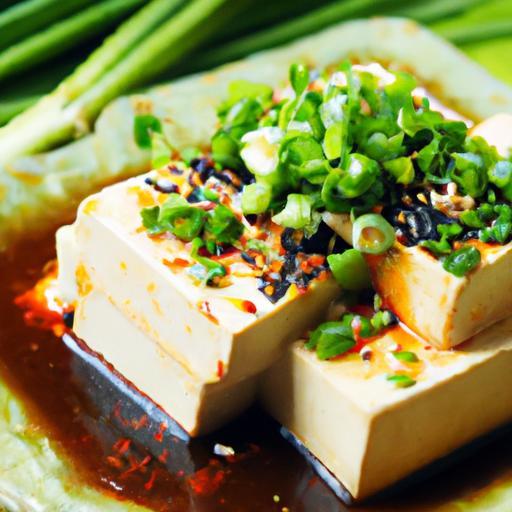
In the vibrant tapestry of Korean cuisine, were bold flavors and time-honored traditions intertwine, Cho Dang Tofu emerges as a culinary gem beckoning adventurous palates. More than just a humble soybean creation, this delicacy encapsulates centuries of artistry, technique, and cultural heritage. Join us as we embark on a delicious dive into Cho Dang Tofu-a dish that transforms simple ingredients into a symphony of texture and taste, inviting food lovers to experience the soulful essence of Korean culinary art.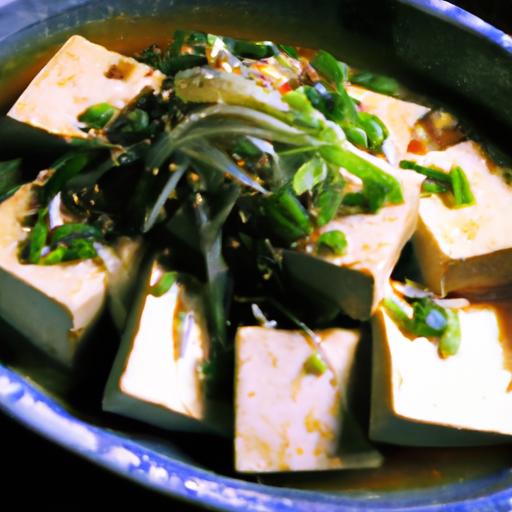
Origins and Cultural Significance of Cho Dang Tofu in Korean Cuisine
Cho Dang Tofu resonates deeply within Korean cuisine as a dish that encapsulates tradition, simplicity, and profound flavor. Originating from the historic region of Jeolla Province, known for its rich agricultural bounty and culinary innovation, Cho Dang Tofu was originally crafted to highlight the natural smoothness and delicate taste of tofu paired with a subtly fermented soybean paste called doenjang. This dish is more than sustenance-it’s a festivity of korean craftsmanship and soulful dining, often shared during family gatherings or special occasions, symbolizing harmony and balance through food.
Growing up in a household where Korean culinary heritage was cherished, I vividly remember the warm aroma of Cho Dang Tofu bubbling gently on the stove.Its comforting umami-rich broth paired with silky tofu always brought a sense of home and connection to my roots. The dish’s ability to marry humble ingredients into a deeply flavorful experience makes it a revered classic in Korean kitchens today.
Prep and Cook Time
- Readiness: 15 minutes
- Cooking: 25 minutes
- Total Time: 40 minutes
Yield
serves 4 comfortably as a main dish or 6 as part of a multi-course Korean meal.
Difficulty Level
Medium – requires some handling of fermentation-based ingredients and attentive simmering.
Ingredients
- 1 block (14 oz) Korean soft tofu (silken or medium-soft), drained and cut into cubes
- 2 tablespoons doenjang (fermented soybean paste)
- 1 tablespoon gochujang (Korean red chili paste) – optional for mild heat
- 3 cups vegetable broth or anchovy broth (for depth without pork)
- 1 medium zucchini, julienned
- 1 small onion, thinly sliced
- 2 cloves garlic, minced
- 1 green chili pepper, sliced thin (optional)
- 1/2 cup shiitake mushrooms, sliced
- 2 green onions, chopped (separate whites and greens)
- 2 tablespoons toasted sesame oil
- 1 teaspoon sesame seeds, for garnish
- Salt and freshly ground black pepper, to taste
Instructions
- Prepare the broth: In a medium pot, bring the vegetable broth to a gentle simmer over medium heat. Add the doenjang gradually, whisking to dissolve completely and create a rich base.
- Add aromatics and vegetables: Stir in garlic, onion, zucchini, mushrooms, and the white parts of green onions. Let the mixture simmer for 10 minutes, allowing the vegetables to soften and infuse the broth.
- Introduce tofu: Gently add the cubed tofu to the pot, being careful not to break the pieces.Reduce to low heat and simmer for another 7-8 minutes, letting the tofu absorb the flavors.
- Season: Add gochujang if using, and stir gently to incorporate a subtle spicy kick. Season with salt and black pepper to taste.
- Finish with sesame: Drizzle sesame oil over the stew and add the sliced green chilies and green parts of green onions. Let the dish rest off the heat for a few minutes before serving.
- Garnish and serve: Sprinkle with toasted sesame seeds just before plating, enhancing both aroma and visual appeal.
Tips for Success
- Use fresh doenjang for an authentic, layered depth of flavor-subpar paste can weaken the profile.
- When handling the tofu, use a slotted spoon and low heat to maintain the integrity of the cubes and keep the texture silky and smooth.
- if you prefer a milder version, omit gochujang and green chili peppers.
- to enhance umami, consider adding dried kelp (dashima) to your broth base (remove before adding doenjang).
- For meal prepping, this stew keeps well refrigerated for up to 3 days and can be reheated gently on the stove.
Serving suggestions
Serve Cho Dang Tofu steaming hot in a deep ceramic bowl, pairing it with a side of fluffy white rice or hearty multigrain rice to soak up the broth. A small dish of kimchi or lightly pickled vegetables brings a crisp counterpoint. Garnishing with finely sliced fresh chili or extra toasted sesame seeds adds color and nuance. For a communal experience, place the pot in the center of the table for diners to ladle out their portions, embracing the warm, inviting spirit of Korean dining culture.

| Nutrient | Per Serving | % Daily Value* |
|---|---|---|
| Calories | 180 kcal | 9% |
| Protein | 12g | 24% |
| Carbohydrates | 14g | 5% |
| Fat | 8g | 12% |
| * Based on a 2,000 calorie diet | ||
For a deeper exploration of Korean fermented flavors, check our article on The Art of doenjang: Korea’s Fermented Treasure. To expand your understanding of Korean cuisine’s cultural richness,visit Korea.net’s Food & Culinary Arts section.
Exploring the Unique Ingredients and Preparation Techniques
Cho Dang Tofu invites you to embark on a sensory journey through Korean culinary art, blending simplicity with an enticing play of texture and flavor. This traditional tofu preparation is renowned for its delicate yet flavorful profile that highlights the purity of each ingredient, capturing the essence of Korea’s thoughtful approach to food. Drawing from age-old techniques and fresh, locally-inspired components, this dish reflects both heritage and innovation on your plate.
Prep and Cook Time
- Preparation: 15 minutes
- Cooking: 20 minutes
- Total Time: 35 minutes
Yield
Serves 4 as a main dish or 6 as a side.
Difficulty Level
Medium – Perfect for those eager to explore authentic Korean recipes with accessible ingredients and well-guided steps.
ingredients
- 400g silken tofu, gently drained
- 2 tbsp toasted sesame oil, for frying and flavor
- 3 cloves garlic, minced finely
- 1 small green chili, thinly sliced (optional, for subtle heat)
- 2 tbsp soy sauce, naturally brewed
- 1 tbsp Korean chili flakes (gochugaru), mild heat
- 1 tsp sugar, to balance savory
- 3 stalks green onion, finely chopped
- 1/2 tsp toasted sesame seeds, for garnish
- 1 tsp rice vinegar, for subtle brightness
- A pinch of sea salt, to taste
Step-by-Step Instructions
- Drain and prepare tofu: Place silken tofu on a clean kitchen towel to absorb excess moisture. Be gentle to keep the delicate texture intact.
- heat the pan: In a non-stick skillet, warm 1 tablespoon of toasted sesame oil over medium heat. This oil imparts the distinctive nutty aroma crucial to the dish.
- Sauté aromatics: add the minced garlic and sliced green chili. Cook until fragrant, about 1 minute, stirring frequently to avoid burning.
- Pan-fry tofu: Carefully add tofu cubes into the skillet, searing each side just until golden brown (approximately 3-4 minutes per side). Use a spatula to turn gently, preserving shape and texture.
- Prepare the sauce: In a small bowl, mix soy sauce, gochugaru, sugar, and rice vinegar until the sugar fully dissolves, balancing spicy, sweet, and tangy notes harmoniously.
- Combine tofu and sauce: Pour the sauce evenly over the pan-fried tofu cubes. Toss lightly to coat without breaking the tofu. Simmer gently for 2-3 minutes, allowing flavors to meld beautifully.
- Finish with green onion: Sprinkle the chopped green onions over the tofu in the last minute of cooking for a fresh, vibrant finish.
- Garnish and serve: Plate the tofu, drizzle any remaining sauce, and sprinkle toasted sesame seeds on top for a final touch of crunch and visual appeal.
Tips for Success with Cho Dang Tofu
- Choose silken tofu: Its soft, luscious texture is essential for authentic results; pressing too hard will cause breakage.
- Control the heat: Use medium heat for frying to achieve a golden crust while keeping the inside tender.
- Balance the sauce: Adjust the chili flakes and sugar to suit your heat preference and desired sweetness level.
- Make ahead: Tofu can be pre-fried and reheated gently in the sauce just before serving if prepping for guests.
- Ingredient swaps: For a gluten-free option, substitute traditional soy sauce with tamari.
Serving Suggestions
Serve Cho Dang Tofu alongside a bowl of steaming hot steamed white rice and crunchy seasonal Korean banchan. This pairing creates a balanced meal with a variety of textures and flavors. For an elevated presentation, garnish with extra sesame seeds and a sprig of fresh cilantro or shiso leaf for subtle herbal notes.
The golden crust and vibrant chili flecks make the dish an Instagram-worthy delight, perfect for sharing your journey into Korean flavors.

| Nutrient | Per Serving |
|---|---|
| Calories | 180 kcal |
| Protein | 12 g |
| Carbohydrates | 6 g |
| Fat | 12 g |
Flavor Profiles and Pairing Suggestions for an Authentic Experience
Cho Dang Tofu captivates the palate with its harmonious blend of subtle umami, gentle nuttiness, and a touch of comforting earthiness that defines Korean culinary artistry.This dish’s star-the silky firm tofu-absorbs a vibrant marinade infused with a delicate balance of soy sauce, toasted sesame oil, and a hint of garlic and ginger, delivering layers of depth while retaining tofu’s naturally mild creaminess.
Understanding the flavor profile is key to enjoying this dish as authentically as possible. cho Dang Tofu shines through its nuanced layering of salty, slightly sweet, and mildly spicy notes, married with textural contrasts-from the tender tofu to crisp garnishes. This makes it an ideal partner for both warming rice bowls and crisp, refreshing side dishes.
Understanding the Flavor Components
- Umami-rich soy sauce: The backbone of the marinade, providing depth and savoriness.
- Sesame oil: Adds fragrant nuttiness and a luxurious mouthfeel.
- Fresh aromatics like garlic and ginger: Bring brightness and subtle spice to the dish.
- Chili flakes or powder (optional): Introduces a mild heat that awakens the palate without overpowering the tofu’s delicate flavor.
- Scallions and toasted sesame seeds: Offer fresh herbal notes and a satisfying crunch as finishing touches.
Pairing Suggestions to Elevate Your Experience
Cho dang Tofu’s tasteful complexity pairs wonderfully with a variety of traditional and modern korean accompaniments,enhancing your meal with complementary textures and flavors:
- Steamed short-grain rice: the classic base for Cho Dang Tofu,neutral yet essential to soak up all the savory marinades.
- Kimchi: the fermented tang and spice beautifully cut through the tofu’s richness, adding vibrant acidity and texture contrast.
- korean-style pickled vegetables (banchan): crisp and vinegary sides like pickled radish or cucumber cleanse the palate and add refreshing bursts of flavor.
- Japchae: Sweet potato glass noodles stir-fried with vegetables offer a subtle sweetness and chewiness that complement the tofu’s softness.
- Green tea or barley tea (boricha): These traditional Korean infusions balance the meal with their clean, slightly nutty notes, aiding digestion.
Creative Serving Ideas
To accentuate the visual and textural appeal of Cho Dang Tofu, try layering the cubes atop a bed of mixed baby greens or lightly sautéed seasonal vegetables for a colorful, nutritious balance. Garnish generously with toasted sesame seeds, finely sliced red chili for a pop of color, and fresh cilantro or scallions to brighten every bite.
A subtle drizzle of additional sesame oil or a light sprinkle of crushed roasted seaweed (gim) can also amplify that authentic Korean experience, making the dish both inviting and sophisticated.

| Flavor Profile | Key Component | Effect on Dish |
|---|---|---|
| Umami | Soy Sauce | Deepens savory richness,enhances tofu’s mild taste |
| nuttiness | Sesame Oil & Seeds | Adds warmth and subtle toasty aroma |
| Spice | Chili flakes (optional) | Light heat awakens the palate without overwhelming |
| Freshness | Green Onion & Ginger | Brightens and balances heavier flavors |
| Texture | Tofu & Garnishes | Soft contrast to crisp,crunchy toppings |
For an expanded journey into Korean side dishes that pair beautifully with cho Dang Tofu,explore our detailed guide here. To deepen your understanding of Korean fermentation traditions and ingredients, this Britannica article offers insightful background.
Where to Savor the Best Cho Dang Tofu and Tips for Home Cooking
Cho Dang Tofu is a timeless gem in Korean cuisine, renowned for its velvety texture and rich, wholesome flavor. This iconic dish invites you to savor the simplicity of soft tofu elevated by a harmonious blend of savory, nutty, and umami notes. Originally hailing from Korean temple cuisine, where pure ingredients and mindful cooking shine, Cho Dang Tofu represents a comforting yet sophisticated experience on your plate.Whether you’re enjoying a quiet family meal or impressing guests, mastering Cho Dang Tofu at home brings a piece of Korea’s culinary heart directly to your kitchen.
Prep and Cook Time
- Preparation: 15 minutes
- Cooking: 20 minutes
- Total Time: 35 minutes
yield
Serves 4 generously as a main or 6 as a side dish.
Difficulty Level
Medium - ideal for those who have some experience with delicate tofu handling and Korean seasoning balance.
Ingredients
- 450g soft tofu (silken or extra soft),drained carefully
- 2 tablespoons toasted sesame oil
- 1 tablespoon Korean soy sauce (ganjang)
- 1 teaspoon toasted sesame seeds,lightly crushed
- 2 green onions,thinly sliced
- 1 small garlic clove,finely minced
- 1 teaspoon Korean chili flakes (gochugaru),optional for mild spice
- 1 teaspoon sugar or natural sweetener like honey
- ½ cup vegetable broth or water
- 1 tablespoon neutral oil (like grapeseed or canola),for sautéing
- Fresh cilantro or perilla leaves for garnish (optional)
instructions
- Prepare the tofu: gently remove the soft tofu from its packaging,place it on a plate lined with paper towels,and let excess water drain for 10 minutes. This preserves its delicate texture while preventing sogginess in the final dish.
- Make the flavor base: In a small bowl, whisk together Korean soy sauce, sugar, minced garlic, toasted sesame oil, and vegetable broth until sugar dissolves completely, creating a balanced umami sauce.
- Heat the pan: Warm 1 tablespoon of neutral oil over medium heat in a non-stick skillet or traditional Korean pan. once shimmering, gently add the tofu, being careful not to break it apart. Sauté for 3-4 minutes to achieve a light golden crust beneath.
- Add the sauce: Carefully pour your prepared sauce around the tofu,then sprinkle Korean chili flakes (if using) evenly across the top.
- Simmer gently: Lower the heat and cover the pan.Let the tofu absorb the flavorful broth for about 8-10 minutes, occasionally spooning the sauce over the tofu to infuse every bite with richness.
- Finish with fresh elements: just before serving, sprinkle the sliced green onions and crushed toasted sesame seeds over the tofu for texture and fresh aroma.
- Plate and garnish: Use a slotted spatula to carefully transfer the tofu to a serving dish, drizzle any remaining sauce over the top, and garnish with fresh cilantro or perilla leaves for a touch of herbal brightness.
Tips for Success When Cooking Cho Dang Tofu
- Choosing tofu: Soft or silken tofu is essential for the authentic creamy texture. Avoid pressing it too hard; gentle handling preserves its melt-in-the-mouth quality.
- Balancing flavors: Korean soy sauce (ganjang) differs from regular soy sauce-using the right variety ensures the traditional harmony of salty and savory tones.
- Heat control: Keep your pan at medium-low to prevent the tofu from breaking down or sticking. Patience is key for soaking up deep flavors without crumbling.
- Make ahead: Prepare the sauce in advance to streamline your cooking process and boost flavor penetration.
- Dietary variations: For a vegan-friendly version, substitute honey with maple syrup or omit it altogether. Adjust the chili flakes to suit your spice tolerance.
Serving Suggestions for Cho Dang Tofu
This dish shines best when paired with a bowl of steamed jasmine or short-grain rice to soak up every drop of the savory broth. For a well-rounded traditional Korean meal,serve alongside mild kimchi,sautéed spinach with garlic,and a cool cucumber salad. Garnish with a sprinkle of toasted sesame seeds and a few fresh herbs to create a photogenic contrast of creamy white tofu and vibrant green accents, inviting you to dig in.
| Nutrient | Per Serving |
|---|---|
| Calories | 130 |
| Protein | 9g |
| Carbohydrates | 5g |
| Fat | 9g |
For a deeper exploration of Korean flavors beyond Cho Dang Tofu, check out our Korean Banchan Recipes to create a full authentic spread. To learn more about the origins and variations of tofu in Korean cuisine, visit the Korean Cultural Center.
Q&A
Q&A: Cho Dang Tofu – A Delicious Dive into Korean Culinary Art
Q1: What is cho Dang Tofu and why is it special in Korean cuisine?
A1: Cho Dang Tofu is a traditional Korean dish featuring silky, freshly made tofu served in a flavorful broth or pan-fried to perfection. What sets it apart is the careful balance of simple, wholesome ingredients and expert techniques that highlight tofu’s delicate texture and subtle flavor. This dish exemplifies Korean culinary art’s emphasis on harmony, health, and depth of taste.
Q2: How is Cho Dang Tofu typically prepared?
A2: The preparation can vary by region and chef, but generally, it involves crafting tofu from pure soybeans, then either simmering it gently in a savory broth infused with ingredients like mushrooms, garlic, and Korean chili, or pan-frying it lightly to create a golden crust. The tofu absorbs seasonings beautifully, making every bite a comforting and rich experience.
Q3: What makes tofu such an essential element in Korean cooking?
A3: Tofu is cherished in Korean cuisine for its versatility, nutritional benefits, and ability to adapt to bold and subtle flavors alike. Rich in protein and low in calories, tofu plays a starring role in vegetarian dishes, soups, and stews, providing a satisfying texture and acting as a canvas for traditional seasonings like soy sauce, sesame oil, and fermented pastes.
Q4: Can Cho Dang tofu be enjoyed by those following special diets?
A4: Absolutely! Cho Dang Tofu is naturally gluten-free and can be made entirely plant-based, making it suitable for vegans, vegetarians, and those with dietary restrictions. By highlighting fresh vegetables, mushrooms, and aromatic spices, this dish is both flavorful and nourishing without relying on animal products.
Q5: What side dishes or accompaniments traditionally elevate the Cho Dang Tofu experience?
A5: In a typical Korean meal, Cho Dang tofu shines alongside an array of banchan-small side dishes such as kimchi, pickled radishes, seasoned spinach, and spicy cucumber salad. The combination of textures and flavors creates a vibrant tapestry on the palate, enriching the experience and showcasing Korean culinary balance.
Q6: How does Cho Dang Tofu reflect the philosophy behind Korean cooking?
A6: Korean cuisine values balance, seasonality, and harmony between ingredients, flavors, and health. Cho Dang Tofu embodies these principles by transforming humble soybeans into a dish that’s elegant yet unpretentious, nourishing yet flavorful. It’s a celebration of simplicity elevated through skillful preparation and respect for natural tastes.Q7: Where can one experience authentic Cho Dang Tofu?
A7: While traditional Korean restaurants across the world may feature their own versions,the most authentic experience frequently enough comes from small family-owned eateries or specialty tofu houses in Korea that freshly make tofu daily. Exploring local markets and street food stalls can also reveal delightful takes on this iconic dish.
Q8: Are there captivating modern twists on Cho Dang Tofu?
A8: Yes! Contemporary chefs experiment by pairing Cho Dang Tofu with fusion ingredients like truffle oil, exotic mushrooms, or creative vegetable garnishes. Others incorporate it into hearty stews with innovative spice blends or grill it with smoky marinades, expanding the dish’s appeal while honoring its roots.
Whether you’re a tofu aficionado or a curious food lover, Cho Dang Tofu offers a delicious gateway into the rich tapestry of Korean culinary art-where simplicity meets sophistication, and every bite tells a story.
To Wrap It Up
In the vibrant tapestry of Korean cuisine, Cho Dang Tofu stands out as a harmonious blend of tradition, flavor, and artistry. This humble yet remarkable dish invites food lovers to savor not just the delicate texture of tofu, but also the rich cultural heritage simmering in every bite. Whether you’re a seasoned gastronome or a curious newcomer, diving into Cho Dang Tofu offers more than a meal-it’s an edible journey through korea’s culinary landscape, where every spoonful tells a story. So next time you seek a taste that delights and educates, let Cho dang Tofu be your guide to the soulful heart of Korean cooking.