

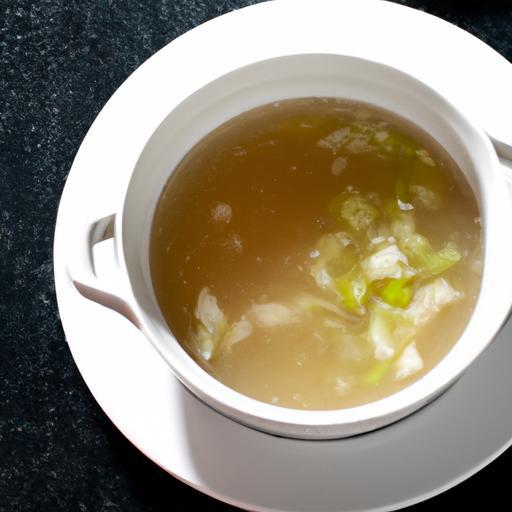
There’s a magic ingredient simmering quietly in kitchens around the world-homemade vegetable stock. More then just a base for soups, stews, and sauces, this flavorful elixir has the power to transform everyday meals into culinary masterpieces. Bursting with layers of rich, natural flavors extracted from fresh vegetables, herbs, and spices, homemade vegetable stock elevates dishes with a depth and complexity that store-bought alternatives simply can’t match. In this article, we’ll explore how crafting your own vegetable stock not only boosts the taste of your cooking but also embraces sustainability by reducing waste and making the most of your ingredients.Get ready to unlock a world of vibrant flavors, one simmer at a time.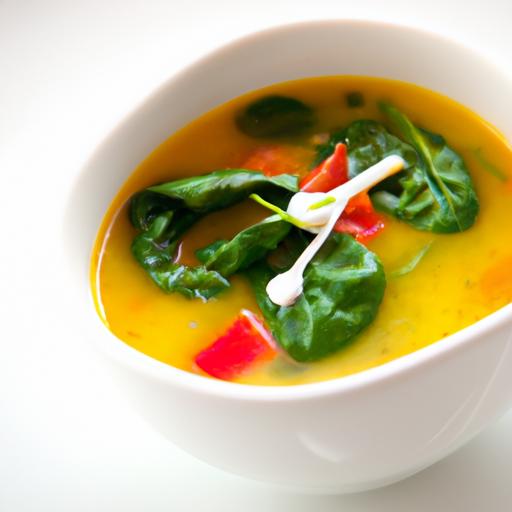
Why Fresh Ingredients Are the Heart of Vibrant Vegetable Stock
Boost Your Dishes with Flavorful Homemade vegetable stock starts with the simple truth that freshness breathes life into every spoonful. Using fresh, vibrant vegetables elevates your stock from a basic broth to a deeply nuanced foundation for countless recipes. Imagine the sweet earthiness of crisp carrots, the aromatic warmth of celery stalks, and the subtle pungency of fresh herbs melding together in your pot. this harmony creates a vibrant canvas that enhances soups, risottos, sauces, and stews alike.
Drawing from decades of culinary experience,I can attest that the quality of your stock hinges on the quality of your produce. Fresh ingredients release natural sugars and umami that dried or old vegetables simply cannot match. Their textures and colors also develop beautifully during simmering,resulting in a translucent golden liquid that sings with layers of flavor.
When choosing vegetables, boldness is key. Instead of pale, soft carrots, opt for the freshest, firmest roots. Select celery with crisp ribs and luminous green leaves. Aromatic onions and garlic add the perfect backbone, while a splash of fresh herbs-thyme, parsley, bay leaves-round out the flavor profile without overpowering the subtlety. Remember, avoiding bitter or overpowering vegetables like broccoli or cabbage preserves the stock’s delicate balance.
To awaken your senses as you cook, soak in the gradual change: the kitchen hums with a medley of smells, steam rises gently, and the surface shimmers with hints of oil and nutrients. Each batch becomes an edible celebration of garden-fresh goodness, inspiring creativity with every pot you make.
Prep and Cook Time
- Readiness: 15 minutes
- Cooking: 1 hour 30 minutes
- Total Time: 1 hour 45 minutes
Yield
About 8 cups (approximately 2 quarts) of rich, flavorful vegetable stock.
Difficulty Level
Easy – Perfect for cooks of all skill levels eager to enhance their dishes naturally.
Ingredients
- 3 large carrots, unpeeled and coarsely chopped
- 3 celery stalks, coarsely chopped
- 1 large yellow onion, quartered (unpeeled for color)
- 4 garlic cloves, smashed (no peeling necessary)
- 1 parsnip, peeled and chopped
- 1 large tomato, quartered
- 1 bay leaf
- 6 sprigs fresh parsley
- 4 sprigs fresh thyme
- 1 teaspoon black peppercorns
- 10 cups cold filtered water
- 1 tablespoon extra virgin olive oil (optional, for more richness)
Instructions
- Heat the olive oil: In a large heavy-bottomed stockpot, warm the oil over medium heat to add depth and smoothness to your stock.
- Add the chopped vegetables: Toss in the carrots, celery, onion, garlic, parsnip, and tomato. Sauté gently for about 5-7 minutes, stirring to lightly caramelize and unlock the natural sugars but avoid browning too much.
- Add herbs and spices: Stir in the bay leaf, parsley, thyme, and black peppercorns, letting their scents infuse the oil and vegetables for 1 minute.
- Pour in cold water: Slowly add 10 cups of cold filtered water until it just covers the vegetables. Cold water ensures gradual flavor extraction as the liquid heats.
- simmer low and slow: Bring to a gentle boil, then instantly reduce to a low simmer. Cook uncovered for 1 to 1½ hours, occasionally skimming off any foam or impurities that rise to the surface for a clear, clean stock.
- Strain with care: Once simmered to perfection, remove from heat and strain the stock through a fine-mesh sieve or cheesecloth into a large bowl or another pot, gently pressing the vegetables to release their final essence.
- Cool and store: let the stock cool slightly before transferring it to airtight containers. Refrigerate for up to 4 days or freeze in portions for future flavor boosts.
Tips for Success
- Always use fresh vegetables – avoid wilted or overly soft produce to prevent off-flavors and cloudy stock.
- Resist the urge to add salt during cooking. Season your final dishes instead, keeping the stock a versatile base.
- Keep your vegetable scraps from salads or meals stored in a freezer bag to create zero-waste vegetable stock batches later, ensuring consistent freshness.
- For a deeper golden hue,include a small knob of peeled ginger or a pinch of turmeric powder.
- cool your stock quickly by placing the pot in an ice bath before refrigerating to maintain safety and quality.
Serving Suggestions
Use your homemade vegetable stock as the foundation of vibrant soups, hearty grain bowls, or silky risottos. Garnish finished dishes with fresh herbs like chopped parsley or thyme to reflect the stock’s aromatic roots. Drizzle a hint of olive oil or a squeeze of lemon to enhance brightness. The richness of your stock can also beautifully enrich vegetarian gravies, sauces, and even braised vegetables, adding a silky mouthfeel and layered flavor that only fresh-stock magic delivers.

| Nutrient | Per 1 Cup Serving |
|---|---|
| Calories | 20 kcal |
| Protein | 1 g |
| Carbohydrates | 4 g |
| Fat | 0.5 g |
For an in-depth guide on how to incorporate homemade stocks into your weeknight cooking routine, check out our Easy Vegetable Soups Made Better. To master the nuances of vegetable stock, the famous Serious Eats tutorial offers fantastic insights and advanced tips.
Unlocking Deep Flavors Through Slow Simmering Techniques
Boost your dishes with flavorful homemade vegetable stock by embracing the art of slow simmering-a time-honored technique that deepens every note of aroma and taste into a pot of liquid gold. this gentle, extended cooking allows fresh vegetables, herbs, and spices to release their full essence, creating a richly layered stock that elevates soups, sauces, and countless recipes with vibrant umami and comfort.
Prep and Cook Time
Prep Time: 15 minutes | Cook Time: 2 to 3 hours | total Time: up to 3 hours 15 minutes
Yield
Approximately 8 cups (2 liters) of vegetable stock
Difficulty Level
Easy – Perfect for home cooks of all levels eager to add a fresh, homemade touch to their meals
Ingredients
- 4 cups chopped organic carrots, peeled
- 3 cups celery stalks, roughly chopped
- 2 cups yellow onions, quartered (unpeeled for added depth)
- 6 cloves garlic, lightly crushed
- 1 cup leeks, cleaned and sliced (white and light green parts only)
- 1 cup mushrooms, sliced (button or cremini for umami)
- 1 teaspoon whole black peppercorns
- 3 fresh thyme sprigs
- 2 fresh parsley sprigs
- 2 fresh bay leaves
- 10 cups cold filtered water
- 1 teaspoon sea salt (optional – adjust later to taste)
Instructions
- Prepare your base vegetables: Begin by rinsing all fresh produce thoroughly to remove dirt and impurities.Leaving the onion skins on helps give the broth a warmer amber color and more complex flavor.
- Sauté the aromatics: In a large heavy-bottomed stockpot, add a splash of olive oil and gently sauté the carrots, celery, onions, and garlic over medium heat. Sauté until they take on a subtle golden hue, about 5-7 minutes, stirring ofen to unlock sweetness and soften their edges.
- Add mushrooms and leeks: Stir in the mushrooms and leeks; cook for an additional 3 minutes.This boosts the umami profile profoundly.
- Introduce herbs and spices: Toss in the peppercorns, thyme, parsley, and bay leaves. These fresh herbs will infuse your stock with a fragrant herbal bouquet.
- Pour in cold filtered water: Add the 10 cups of cold water. Starting with cold water allows flavors to gradually meld and minimizes cloudiness.
- Bring to a gentle simmer: Increase the heat just until tiny bubbles begin to rise and break on the surface. Avoid boiling, as this can cause bitterness and cloud the stock.
- Low and slow simmer: Reduce the heat to low and cover partially. Let the stock simmer slowly for 2 to 3 hours, occasionally skimming off any foam or impurities that rise to the surface with a fine mesh skimmer to keep the stock clear and bright.
- Final seasoning and strain: After simmering, taste and add salt if needed. Carefully strain the stock through a fine-mesh sieve lined with cheesecloth if you prefer a crystal-clear broth.
- Cool and store: Let the stock cool to room temperature before refrigerating or freezing in airtight containers for up to 5 days or 3 months, respectively.
Tips for Success
- Use veggie scraps: Save peels, ends, and stalks of vegetables like carrots, onions, and celery in your freezer for a perfectly enduring stock base.
- Adjust herbs to your taste: rosemary or sage can be swapped in depending on your personal recipe needs.
- Do not salt too early: Salt concentrates as the stock reduces; it’s best to season after simmering to prevent overseasoning.
- Keep the simmer gentle: A rolling boil breaks down vegetable fibers too aggressively, resulting in a cloudy stock.
- Freeze in ice cube trays: Perfect for quick flavor boosts in sauces or sautés without the need for thawing a whole batch.
Serving Suggestions
The rich, golden-hued vegetable stock creates a sublime foundation for any meal. Use it as the base in vibrant vegetable soups, hearty grain risottos, or even a velvety Parmesan sauce.Garnish finished dishes with fresh microgreens, finely chopped chives, or a drizzle of quality extra virgin olive oil to enhance its brightness. For a comforting touch, pair with freshly baked bread and a sprinkle of cracked black pepper on top of your bowl of soup.
| Nutrient | Per 1 cup (240 ml) |
|---|---|
| Calories | 25 |
| Protein | 1.5 g |
| Carbohydrates | 6 g |
| Fat | 0.2 g |

For further inspiration and complementary techniques, check out our Ultimate Guide to Plant-Based Soups.
Consider exploring more on the benefits of vegetable stock and slow cooking at Bon Appétit’s vegetable stock masterclass.
Creative Herb and Spice Combinations to Elevate Your Stock
boost Your dishes with Flavorful Homemade Vegetable Stock is the secret foundation that transforms simple meals into exceptional culinary creations. When infused with creative herb and spice combinations, your stock becomes a fragrant, layered canvas that elevates everything from soups and sauces to risottos and stews. Drawing from global inspirations, this guide unlocks unexpected flavor pairings that breathe new life into your kitchen staples.
Prep and Cook Time
- Preparation time: 15 minutes
- Cooking Time: 1 hour 30 minutes
- Total Time: 1 hour 45 minutes
Yield
Approximately 8 cups (about 2 liters) of rich, aromatic vegetable stock
Difficulty Level
Easy to Medium-perfect for home cooks eager to deepen their flavor arsenal
Ingredients
- 2 tablespoons olive oil
- 1 large onion, quartered
- 3 carrots, roughly chopped
- 3 celery stalks, roughly chopped
- 4 garlic cloves, smashed
- 1 parsnip, sliced
- 1 small bunch flat-leaf parsley
- 2 sprigs fresh thyme
- 1 sprig fresh rosemary
- 1 bay leaf
- 5 whole black peppercorns
- 1 teaspoon coriander seeds
- 1/2 teaspoon smoked paprika
- 1 small piece of dried kombu (optional for umami)
- 10 cups filtered water
- Salt to taste (added at the end)
Instructions
- Heat olive oil in a large stockpot over medium heat. Add onion, carrots, celery, parsnip, and garlic. Sauté until vegetables are golden and fragrant,about 8 minutes,stirring often to prevent browning too quickly.
- Add the herbs and spices: toss in parsley, thyme, rosemary, bay leaf, peppercorns, coriander seeds, and smoked paprika. Stir for 1 minute to release their aromas.
- Pour in 10 cups filtered water, scraping the bottom to deglaze any caramelized bits. If using, add the dried kombu now for a subtle savory depth.
- Bring to a gentle simmer. Lower heat, partially cover, and cook for 1 to 1.5 hours. Avoid boiling vigorously to keep the flavors clear and bright.
- Skim any foam that rises to the surface periodically for a clean-tasting stock.
- Strain the stock through a fine-mesh sieve or cheesecloth into a heatproof container.
- Cool quickly in an ice bath if not using immediately. Add salt to taste just before incorporating into your recipes.
Tips for Success
- Use fresh, organic vegetables for the cleanest, most vibrant stock flavors.
- Roasting root vegetables beforehand can add a caramelized sweetness-try this if you want a heartier, richer stock.
- Customize spices: add star anise or cinnamon sticks for an Asian-inspired broth, or swap rosemary for sage for earthier notes.
- Cut all vegetables into uniform pieces to ensure even cooking and balanced extraction.
- Make extra and freeze stock in ice cube trays for easy portions to boost sauces, grains, and veggie sautés anytime.
Serving Suggestions
Use this fragrant stock as the backbone for hearty vegetable soups, creamy risottos, or brightening grain pilafs. Garnish dishes with fresh herbs like chives or microgreens to highlight the herbaceous undertones of your homemade stock. For a stunning visual and flavor contrast, drizzle a touch of good-quality extra virgin olive oil or sprinkle toasted seeds atop the finished dish.

Quick Nutritional Overview
| Nutrient | Per Cup |
|---|---|
| Calories | 25 kcal |
| Protein | 1 g |
| Carbohydrates | 5 g |
| Fat | 0.5 g |
For further inspiration on flavor layering, check out our article on essential herb pairings for vegetables. To dive deeper into spice science, visit the Food Network Spice Guide.
Storage Tips to Preserve the Richness of Your Homemade Stock
Storage Tips to Preserve the Richness of Your Homemade Vegetable Stock
Boost Your Dishes with flavorful Homemade Vegetable Stock begins long before you ladle it into your favorite recipes – it thrives in how well you store it. once you’ve developed that deep, nuanced vegetable broth bursting with garden freshness and umami, preserving its richness will keep your culinary creations vibrant and satisfying day after day.
After preparing your homemade vegetable stock, immediate cooling is essential. Pour the broth into shallow,airtight containers to speed up the cooling process and prevent bacteria growth. Leaving it in large, deep pots will prolong heat retention, risking spoilage and dulling those bright, layered flavors you worked to capture.
For short-term use - within three to four days – refrigeration is perfectly suitable. Store your stock in glass jars or BPA-free containers, leaving a bit of space at the top to allow for liquid expansion if you plan to freeze later. To maintain clarity and texture, avoid stirring or shaking vigorously before use, as this may cloud your broth or break down delicate flavor compounds.
Freezing is the ultimate preservation method for homemade vegetable stock, offering convenience without sacrificing depth. Freeze your stock in ice cube trays for single-serving portions, perfect for infusing stews, sauces, or sautés with minimal waste. Once frozen, transfer the cubes to resealable freezer bags, labeling them with the date. Frozen vegetable stock can keep its full flavor for up to three months.
When thawing, do so gently either overnight in the fridge or over low heat on the stove.Rapid temperature changes can cause flavor and texture loss. Reheating slowly allows your stock’s vibrant vegetable notes, hints of herbs, and natural sweetness to shine through every spoonful.
Remember, homemade stock does not contain the preservatives of store-bought varieties, so always trust your senses.If the stock develops off smells,excessive cloudiness,or mold,discard it immediately to ensure safe and tasty meals.
Clear labeling makes a big difference. Use masking tape or freezer-safe labels to note the date and contents. incorporating these simple yet effective storage habits will make every dish you prepare with your rich homemade vegetable stock a standout delight, elevating both the flavor and the experience of cooking.

Q&A
Q&A: Boost Your Dishes with Flavorful Homemade Vegetable Stock
Q1: Why should I make homemade vegetable stock instead of using store-bought?
A1: Homemade vegetable stock is a flavor powerhouse tailored to your taste.Unlike store-bought versions, it’s free from preservatives, excess salt, and additives. Plus, it’s an eco-kind way to use up veggie scraps, turning what might be waste into a rich, vibrant base for soups, stews, and sauces.Q2: What vegetables are best for making a flavorful vegetable stock?
A2: The classic trio includes onions, carrots, and celery-often called mirepoix-which forms the backbone of many stocks. Add garlic, leeks, mushrooms, and fresh herbs like thyme, parsley, and bay leaves for depth.Don’t hesitate to toss in vegetable scraps like broccoli stems, pepper cores, or even wilted greens to intensify flavor.Q3: Can I customize my vegetable stock to suit different cuisine styles?
A3: Absolutely! For an Italian flair, include tomatoes, basil, and oregano. For Asian-inspired dishes, ginger, lemongrass, and a splash of soy sauce add an intriguing twist.The beauty of homemade stock is that you are the chef and flavor architect-experiment until you find your signature blend.
Q4: How long should I simmer vegetable stock for the best flavor?
A4: Simmering for 30 to 45 minutes is typically sufficient to extract vibrant flavors from vegetables without any bitterness. Unlike meat stocks that require hours, vegetable stock benefits from a shorter, gentler simmer to preserve bright, fresh tastes.
Q5: Is it possible to freeze homemade vegetable stock?
A5: Yes! Freezing is one of the easiest ways to store your stock. Pour it into ice cube trays or freezer-safe containers for convenient portioning. Frozen stock cubes are perfect for boosting the flavor of sauces or quick soups with no waste and zero fuss.
Q6: Can vegetable stock be used as a base for dishes beyond soups and stews?
A6: Definitely. Use your stock to cook grains like quinoa or rice for extra flavor, braise vegetables, or even whisk it into gravy for a savory punch. It’s a versatile kitchen companion that elevates everyday meals into something memorable.
Q7: What tips do you have for ensuring a clear, clean-tasting stock?
A7: Start with fresh, unblemished vegetables and avoid starchy ingredients like potatoes, which can cloud the stock. Skim any foam or impurities that rise to the surface during simmering. Strain through a fine mesh or cheesecloth to catch all solids, leaving you with a beautifully clear, flavorful liquid.Q8: How does homemade vegetable stock impact the nutritional value of my meals?
A8: Beyond its delicious taste, homemade stock infuses your dishes with vitamins, minerals, and antioxidants extracted from the vegetables during cooking. This gentle nutrient boost supports a wholesome, balanced diet, making every bite nourishing and satisfying.
Q9: Is vegetable stock suitable for all dietary preferences?
A9: Yes! Vegetable stock is naturally vegan, gluten-free, and allergy-friendly when made from basic veggies and herbs. It’s an excellent choice for anyone looking to enhance flavor without animal products or common allergens.Q10: Can leftover vegetable scraps safely be used for making stock?
A10: As long as the scraps are fresh and haven’t spoiled, they’re perfect candidates for stock-making. Wash them well before tossing into the pot. Avoid using highly bitter scraps like large amounts of cabbage or raw cruciferous veggies in excess, as they can impart unwanted flavors.
With homemade vegetable stock, your kitchen transforms into a flavorful lab where every batch carries your personal touch. it’s simple,sustainable,and sensational-ready to boost your next culinary creation!
To Conclude
Elevate your culinary creations by embracing the art of homemade vegetable stock-a simple,flavorful foundation that transforms everyday dishes into unforgettable meals. With each simmer, you unlock a world of deep, natural flavors that store-bought broths simply can’t match. So next time you’re ready to cook, remember that your kitchen holds the secret to richer soups, heartier stews, and vibrant sauces-all starting with a pot of your own handcrafted vegetable stock. Dive in, experiment, and let your dishes shine with the wholesome goodness only homemade stock can provide.