

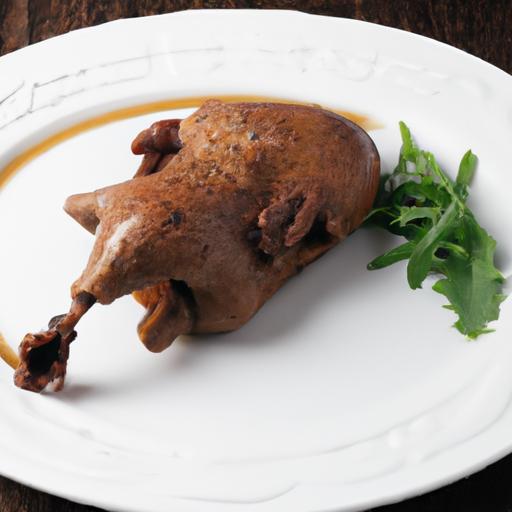
There’s something undeniably magical about duck confit-a dish that transforms humble duck legs into tender, succulent morsels infused with rich, savory flavors. Originating from the rustic kitchens of southwestern France, duck confit has long been a beloved culinary treasure, celebrated for its unique cooking technique and decadent taste. In this ultimate guide, we’ll unlock the secrets behind this timeless delicacy, from mastering the slow-cooking process to exploring perfect pairings and creative variations. Whether you’re a seasoned chef or an adventurous home cook, prepare to embark on a flavorful journey that will elevate your culinary repertoire and bring unmatched bliss to your dining table.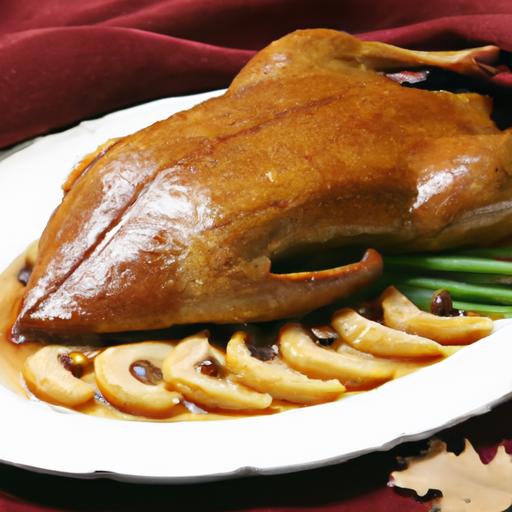
Choosing the perfect Duck for an Authentic Confit Experience
Unlock Culinary Bliss begins with selecting the ideal duck-this step sets the foundation for creating a truly unforgettable duck confit. Originating from the rustic kitchens of southwestern France, duck confit is a dish where quality and freshness of the poultry can elevate your culinary journey from ordinary to sublime.
When choosing your duck, look for fresh, high-quality whole duck legs or duck legs on the bone with skin intact. The key to an authentic confit is the balance of meat to fat; a well-fattened duck delivers tender flesh with a silky richness after slow cooking in its own rendered fat. Free-range or farm-raised ducks frequently enough have a more robust flavour profile, lending complexity to your dish that supermarket varieties sometimes lack.
It’s important to avoid lean duck varieties, such as Pekin ducks commonly used for roasting, as thay may render too little fat, resulting in a less luscious confit. Instead, opt for breeds like magret or Moulard if available, prized for their gorgeous marbling and deep flavor.
Consider purchasing from a trusted butcher or specialty poultry supplier to ensure freshness and ethical sourcing. When possible, Serious Eats’ guide on selecting duck offers in-depth insights into breeds and cuts ideal for confit preparation. Fresher ducks yield better texture and flavor, so inspect the skin-aim for firm, taut skin free from blemishes or discoloration.
The visual appeal of your duck confit starts here. Imagine the glossy golden skin crisping up perfectly after slow-poaching-the hallmark of an excellent confit. The body of the duck should feel plump but not overly fatty, promising moist meat inside and a balanced richness once the confit is finished.
Packaging tip: If using frozen duck legs, thaw slowly in the refrigerator for 24 to 48 hours to preserve texture and flavor integrity. pat dry thoroughly before seasoning for the perfect salt cure and spice infusion.

With the right duck chosen, your journey towards Unlock Culinary Bliss transforms from a simple recipe into an artful experience-every bite a testament to thoughtful selection and timeless technique.
Prep and Cook Time
- Preparation: 24 hours (including curing time)
- Active Cooking: 2 to 3 hours
- Total Time: approximately 26-27 hours
Yield
Serves 4-6 people, depending on portion size.
Difficulty Level
Medium – Requires planning and attention but rewarding and approachable for confident home cooks.
Ingredients
- 4 duck legs (thighs attached, skin on, bone-in, about 6-7 ounces each)
- 4 teaspoons kosher salt
- 6 garlic cloves, smashed
- 2 teaspoons black peppercorns
- 1 tablespoon fresh thyme leaves
- 2 bay leaves, torn into pieces
- 1 teaspoon juniper berries, lightly crushed (optional but customary)
- 4 cups duck fat (enough to fully submerge legs)
Instructions
- Prepare the Cure: In a small bowl, combine kosher salt, smashed garlic, black peppercorns, thyme, bay leaves, and juniper berries. Mix well.
- Salt the Duck Legs: Pat the duck legs dry with paper towels. Rub the cure mixture evenly over the duck legs,coating all surfaces. Place the legs in a shallow dish, cover tightly with plastic wrap, and refrigerate for 24 hours. This process intensifies flavor and gently tenderizes the meat.
- Preheat and rinse: After curing, remove the duck legs from the fridge. Lightly rinse off the salt and seasonings under cold water, then pat fully dry with paper towels. Removing excess salt ensures the confit won’t be overly salty.
- Slow Poach in duck Fat: Preheat your oven to 225°F (110°C). In a heavy ovenproof pot or Dutch oven, melt the duck fat over low heat. Once melted, submerge the duck legs completely in the fat. The legs should be fully covered-add more fat if needed.
- Cook Slowly: Place the pot in the oven and cook gently for 2 to 3 hours,or until the meat is tender and easily pulls away from the bone. Check occasionally, making sure the legs remain submerged.
- Cool and store: Remove from oven and allow the legs to cool in the fat. For best results, store the confit in an airtight container, covered with fat, refrigerated for up to 2 weeks.This resting period deepens flavor and texture.
- Cook Before Serving: To serve, gently remove legs from fat. Crisp the skin in a hot skillet over medium heat until golden and crackling, about 5-7 minutes per side. Be careful not to overcook.
tips for Success
- Use quality duck fat: If you can’t find duck fat, unrendered goose fat or clarified butter can be substitutes, but authentic duck fat provides unmatched flavor and texture.
- Don’t rush the salt cure: The 24-hour curing process is critical for flavor and moisture balance.
- Keep the duck submerged: Fully covering the duck legs in fat prevents oxidation and ensures even cooking.
- Make-ahead friendly: Duck confit improves with time-prepare up to a week in advance for effortless entertaining.
- Freeze for longer storage: Confit duck legs freeze beautifully for up to 3 months.Thaw slowly in the fridge before crisping the skin.
Serving Suggestions
For a classic presentation, serve your duck confit atop a bed of buttery mashed potatoes or creamy polenta. Garnish with fresh thyme sprigs or a luminous, tangy salad featuring frisée, toasted walnuts, and a mustard vinaigrette to cut through the richness.
Consider accompanying with seasonal roasted root vegetables or a vibrant green vegetable sautéed in garlic oil. The contrast of textures and flavors enhances the indulgent duck confit experience.
Drizzle a little finishing olive oil or sprinkle flaky sea salt over the crispy skin just before serving to amplify the dish’s rustic elegance. Pair with a glass of lightly chilled berry-forward red wine or a sparkling apple cider for a refined dining experience.
| Nutrient | Per Serving (1 leg) |
|---|---|
| Calories | 550 kcal |
| Protein | 35 g |
| Carbohydrates | 0 g |
| Fat | 45 g |
Discover more delectable recipes with premium poultry in our Ultimate Poultry Recipes Guide and elevate your culinary repertoire today.
mastering the Art of Slow Cooking for Tender and Flavorful Results
Unlock Culinary Bliss starts right here-with the exquisite technique of slow cooking duck confit to achieve an unrivaled harmony of tenderness and deep, luscious flavor. This timeless French delicacy, originally born from the need to preserve meat before refrigeration, has evolved into a gourmet marvel that transforms humble duck legs into tender jewels, infused with fragrant herbs and silky fat. Slow cooking is the secret that breaks down the connective tissues, ensuring every bite melts effortlessly on your tongue while wrapping your palate in a symphony of savory richness.
Prep and Cook Time
- Preparation: 30 minutes (plus 24-48 hours curing time)
- Cooking: 3 to 4 hours (slow simmering)
- Total Time: Approximately 28 to 52 hours (including curing and cooling)
yield
Serves: 4 people
Difficulty Level
Advanced - patience and precision will reward you with impeccable texture and flavor
Ingredients
- 4 duck legs, skin-on, trimmed of excess fat
- 2 tablespoons coarse sea salt
- 4 cloves garlic, minced
- 2 teaspoons black peppercorns, crushed
- 4 sprigs fresh thyme
- 2 sprigs fresh rosemary
- 2 bay leaves, crumbled
- 1 cup rendered duck fat (or enough to fully submerge the duck legs)
- Zest of 1 lemon (optional, for freshness)
Instructions
- Salt cure the duck legs: in a medium bowl, combine the sea salt, minced garlic, crushed peppercorns, thyme, rosemary, bay leaves, and lemon zest. Rub this aromatic mixture all over the duck legs, coating the meat thoroughly-both skin and flesh sides.
- Place the coated legs in a shallow dish or airtight container. Cover tightly and refrigerate for 24 to 48 hours to cure. This step intensifies flavor and firms the texture, ensuring homemade culinary bliss in every bite.
- Prepare for slow cooking: Rinse the duck legs gently under cold water to remove excess salt and herb remnants. Pat dry thoroughly with paper towels; dryness is key to crisp skin later.
- Preheat your oven to 225°F (110°C). In an oven-safe, heavy-bottomed pan or Dutch oven, melt the duck fat until it’s completely liquid and shimmering.
- Submerge the duck legs fully in the warm fat. The legs should be covered completely to ensure even slow cooking-top off with a little extra fat if needed.
- Transfer the pan to the oven and cook low and slow for 3 to 4 hours.The meat is ready when it pulls away effortlessly from the bone.
- Cool and store: Once cooked, allow the duck legs to rest in the fat until cool. They can be refrigerated submerged in the fat for up to 2 weeks or frozen for longer storage, locking in moisture and flavor.
- To serve: For a luxuriously crispy skin, gently remove the legs from the fat, pat dry, and sear skin-side down in a hot skillet (no additional fat needed) until golden and crackling crisp, about 3-5 minutes.
Tips for Success
- Maintain consistent low heat: Slow and steady oven temperature is crucial to preserve the juiciness and render fat without drying the meat.
- Use quality duck fat: Authentic flavor comes from the rich fat that gently bastes the meat; procure from trusted sources or render your own from duck trimmings.
- Patience pays off: The curing process may seem long, but it’s key to transforming the duck confit into a breathtaking feast.
- Make-ahead convenience: Duck confit can be prepared days in advance-ideal for stress-free entertaining or elegant weeknight dinners.
- Variations: Infuse the fat with star anise or orange peel for a subtle warming twist that pairs beautifully with autumn and winter menus.
- Avoid overcrowding the cooking vessel: This allows the heat to circulate evenly around each leg.
Serving Suggestions
Plate your duck confit alongside a creamy pomme purée or a crisp frisée salad dressed in a tangy mustard vinaigrette. Garnish with freshly chopped parsley or chives for a burst of color and brightness. Accompany with a side of sautéed garlic green beans or caramelized shallots to complement the rich succulence of the duck. A drizzle of aged balsamic reduction adds a elegant sweet acidity that elevates every bite.

| Nutrient | Per Serving |
|---|---|
| Calories | 520 kcal |
| Protein | 33 g |
| Carbohydrates | 1 g |
| Fat | 42 g |
For more ways to dive into rich, slow-cooked delicacies, explore our Ultimate Vegan Slow Cooker Recipes. To deepen your culinary knowledge about slow cooking techniques, the Culinary Institute of America offers expert insights into this transformative method.
Essential Seasonings and Marinades to Elevate Your Duck Confit
Unlock Culinary Bliss: Your Ultimate Duck Confit Guide begins with mastering the art of seasoning and marinating, the secret pillars that transform ordinary duck legs into irresistibly tender and flavor-packed confit. Originating from the rustic kitchens of Southwest France, this dish is a party of patience, subtlety, and deeply layered aromas. The elegance of duck confit lies in its marinade-a fragrant potion of herbs, spices, and salt, coaxing the rich meat into a melt-in-your-mouth masterpiece.
Prep and Cook Time
- Preparation: 20 minutes
- Marinating: 24-48 hours
- Cooking (slow confit): 2-3 hours
Yield
Serves 4 people
Difficulty Level
Medium – Perfect for adventurous home cooks looking to elevate their culinary repertoire.
Ingredients for Essential Seasonings and Marinades
- 4 duck legs,skin-on,trimmed
- 2 tbsp kosher salt (for curing)
- 4 cloves garlic,smashed
- 2 tsp black peppercorns,crushed
- 1 tbsp juniper berries,lightly crushed
- 4 sprigs fresh thyme
- 2 sprigs fresh rosemary
- 1 tsp smoked paprika
- 1 bay leaf
- Zest of 1 lemon (adds bright citrus notes)
- 1/2 cup duck fat (rendered or store-bought,for cooking)
- 1 tsp ground coriander
Instructions
- Prepare the Cure: in a small bowl,combine kosher salt,crushed black peppercorns,juniper berries,smoked paprika,ground coriander,and lemon zest. This spice blend is essential-it gently seasons the duck, infusing warmth and aromatic depth.
- Massage the Duck Legs: Rub each duck leg thoroughly with the salt and spice mixture. Be generous to ensure the meat absorbs the flavors. Place the legs in a glass or ceramic dish, layering with fresh thyme, rosemary, garlic, and bay leaf.
- marinate: Cover tightly with plastic wrap and refrigerate for at least 24 hours, up to 48. This slow brine locks in moisture while enhancing the complexity of the meat.
- Rinse and Dry: After marinating, rinse the duck legs under cold water to remove excess salt and spices. Pat dry completely with paper towels-this step is crucial for a crispy skin finish.
- Slow Cook in Duck fat: Preheat an oven to 225°F (105°C). Place the duck legs in a deep baking dish or Dutch oven and submerge fully in duck fat. Slow cook uncovered for 2 to 3 hours until the meat is tender and pulls away easily from the bone.
- Crisp the Skin (Optional): To serve, heat a skillet over medium-high heat. Sear the confit duck legs skin-side down until golden and crispy, approximately 5 minutes.
- Rest and Serve: Allow the duck to rest a few minutes before plating to preserve its juiciness and let aromatic herbs shine through.
Tips for Success
- Use Fresh Herbs: Fresh thyme and rosemary impart vibrant aromas-dried herbs may overpower delicate nuances.
- Patience with Marinating: don’t rush the curing stage; it’s fundamental for juicy, flavorful meat. Overnight rest at minimum is key.
- Preserve Duck Fat: After cooking, strain and save the rendered duck fat for future use in roasting potatoes or vegetables-it’s liquid gold!
- Customize Your Profile: Add a pinch of ground star anise or a cinnamon stick during marinade for a hint of exotic warmth.
- Make-Ahead Friendly: Duck confit can be cooked up to 3 days in advance and gently reheated covered in its fat or wrapped in foil to maintain moisture.
Serving Suggestions
Present your duck confit atop a velvety parsnip purée or alongside crisped fingerling potatoes tossed with fresh herbs. Garnish with a scattering of finely chopped chives or fresh parsley leaves to brighten the plate visually and texturally. For a pop of freshness, a simple salad of peppery arugula dressed in lemon vinaigrette creates a refined contrast.
To complete this timeless dish, consider pairing with a rich mushroom ragout or roasted root vegetables glazed with honey and thyme-each bite should echo the harmony of the essential seasonings and marinades that brought the duck to life.

| Nutritional Info (per serving) | Calories | Protein | Carbs | fat |
|---|---|---|---|---|
| Duck Leg Confit with Marinade | 520 kcal | 35g | 1g | 42g |
For more in-depth techniques on rendering duck fat and pairing ideas,explore our perfect duck fat rendering guide. To deepen your knowledge of French culinary traditions behind confit, visit Britannica’s confit article.
Serving Suggestions and Pairings to Complete Your Culinary Journey
unlock Culinary Bliss with duck confit is not just about savoring tender, flavorful meat; it’s about crafting a memorable dining experience that delights every sense. Originating from the rustic kitchens of southwestern France, this dish marries centuries-old techniques with modern culinary creativity, transforming humble duck legs into a golden, savory masterpiece.Whether served for a special occasion or an indulgent weeknight, duck confit captivates with its rich aroma and sublime textures.
Prep and Cook Time
- Preparation: 15 minutes
- Marinating: 24 hours (preferred for optimal flavor)
- Cooking time: 2 hours 30 minutes
- Total: Approx. 27 hours (including marinating)
Yield
Serves 4 people generously
Difficulty Level
Medium – requires planning but rewarding with authentic flavors
Ingredients
- 4 duck legs, skin-on and trimmed
- 2 tbsp kosher salt
- 4 garlic cloves, smashed
- 1 tbsp fresh thyme leaves
- 1 tbsp fresh rosemary, chopped
- 1 tsp black peppercorns, crushed
- 2 bay leaves
- 2 cups duck fat (for confit cooking)
Instructions
- Prepare the duck legs: Pat legs dry and rub each generously with kosher salt, crushed peppercorns, garlic, thyme, rosemary, and bay leaves.Place in a covered container and refrigerate for at least 24 hours to cure and infuse flavors.
- Preheat oven: Set oven to 225°F (110°C) to ensure slow, even cooking.
- Rinse and dry: After curing, rinse duck legs under cold water to remove excess salt and herbs, pat completely dry with paper towels to prevent splattering during cooking.
- Render in duck fat: In an oven-safe heavy pot or deep baking dish, fully submerge duck legs in warm duck fat. Place in the preheated oven and cook slowly for 2 to 2.5 hours until meat is tender and easily pulls away from the bone.
- Finish for crispness: For an irresistible crispy skin, remove duck legs from fat and sear skin-side down in a hot skillet over medium heat for 3-5 minutes until golden and crackling.
- Serve instantly: Plate the crispy duck confit with your chosen accompaniments and garnish decoratively for visual appeal.
Tips for Success
- Use high-quality duck fat: This seals in moisture and imparts a rich, silky texture.
- Marinating duration: Don’t skip the 24-hour cure-it deepens flavor complexity remarkably.
- Fat storage: Strain and save leftover duck fat for roasting potatoes or vegetables to elevate other meals.
- Make ahead: Duck confit can be refrigerated in its fat for up to 1 week or frozen for several months without losing quality.
- Choice herbs: Experiment with sage or bay leaf variations to customize aromatics.
Perfect Pairings to elevate Your Plate
To complete your duck confit experience,consider pairing it with vibrant sides and harmonious flavors that brighten and balance the dish.A luscious potato gratin or crispy herb-roasted fingerling potatoes are ideal as they soak up the appetizing duck fat, adding comforting warmth.For freshness,serve alongside a lightly dressed frisée salad with a tangy mustard vinaigrette-the gentle bitterness contrasts beautifully with the richness.
For something heartier, roasted root vegetables glazed with honey and thyme provide a subtle sweetness that complements the savory notes gently. If you prefer greens, sautéed garlic spinach or garlicky haricots verts offer vibrant color and texture contrast.
Finish the plate with a bright pop by garnishing with fresh pomegranate seeds or a scattering of finely chopped parsley, bringing visual vibrance and a delicate burst of freshness.
Ideal beverage Complements
while this guide avoids wine within the recipe, pairing your duck confit with carefully chosen beverages enhances the culinary journey.Try sparkling water infused with citrus or a dry cider, which cut through the richness without overpowering.

| Nutrient | Per serving |
|---|---|
| Calories | 520 kcal |
| Protein | 38 g |
| Carbohydrates | 2 g |
| Fat | 40 g |
Discover more delectable French classics and elevate your cooking repertoire by visiting MasterClass’s expert guide to duck confit.
Q&A
Unlock Culinary Bliss: Your Ultimate Duck Confit Guide – Q&A
Q: what exactly is duck confit, and why is it considered a culinary treasure?
A: Duck confit is a traditional French delicacy where duck legs are slowly cooked in their own fat at a low temperature, resulting in irresistibly tender meat with a rich, silky texture.This method of preserving and cooking dates back centuries and transforms humble duck legs into an extraordinary dish that’s both comforting and gourmet-a true culinary treasure.
Q: How does the confit technique differ from other cooking methods for duck?
A: unlike roasting or pan-searing, confit is a method of gentle, slow cooking where the duck is submerged in fat and cooked at a low temperature for several hours. This process not only tenderizes the meat but also infuses it with flavor, while preserving moisture. The fat acts as a natural barrier to oxidation, extending the duck’s shelf life while enriching its taste.
Q: What are the essential ingredients for making classic duck confit?
A: The magic of duck confit lies in simplicity. You’ll need duck legs, kosher salt or sea salt, aromatic herbs like thyme and bay leaves, garlic, black peppercorns, and plenty of rendered duck fat for cooking. Thes ingredients work in harmony to season, preserve, and gently cook the meat to succulent perfection.
Q: Can you explain the step-by-step process of preparing duck confit at home?
A: Absolutely! First, the duck legs are dry-cured with salt, garlic, and herbs and left to rest overnight to draw out moisture and develop flavor. Next, the legs are rinsed and slowly cooked submerged in duck fat at a low temperature-typically around 200°F (93°C)-for 2 to 3 hours.After cooking,the legs can be stored in the fat or crisped up in a hot skillet or oven right before serving.
Q: What’s the secret to achieving that perfect crispy skin on duck confit?
A: After slow-cooking in duck fat, the skin is soft and luscious but not yet crispy. To get that perfect crackling skin, drain the confit legs from the fat and pat them dry.Then, sear them skin-side down in a hot pan or broil in the oven for a few minutes until the skin is golden, crisp, and irresistibly fragrant.
Q: How should duck confit be stored to maximize flavor and safety?
A: When properly sealed and submerged in duck fat,confit can be refrigerated for up to a month. The fat acts as a protective layer, preserving the meat’s texture and flavor. For longer storage,freezing is an option,but freshly prepared confit is always best enjoyed within a week or so for optimal taste and tenderness.
Q: What are some creative serving suggestions that highlight the richness of duck confit?
A: Duck confit pairs beautifully with earthy root vegetables,silky mashed potatoes,or robust lentils. Try serving it atop a bed of sautéed greens or nestled alongside a medley of roasted seasonal vegetables. the key is to complement the deep, savory flavors with ingredients that balance richness with freshness or earthiness for a harmonious plate.
Q: Can duck confit be adapted for busy home cooks or weeknight meals?
A: Yes! While the process requires patience, much of the work happens hands-off during curing and slow cooking. You can prepare duck confit in advance and store it in fat, then quickly crisp and serve it when you’re ready. It’s a perfect way to bring gourmet flavors to your table without last-minute fuss.
Q: Is duck confit suitable for special dietary preferences or restrictions?
A: Duck confit is naturally gluten-free and high in protein. Because it uses duck fat instead of vegetable oils, it’s a great option for those seeking whole-food fats. just be mindful of the salt content during curing if you’re monitoring sodium intake.
Q: Any final tips for first-timers eager to unlock culinary bliss with duck confit?
A: Embrace the slow process and savor the aromas that fill your kitchen as the duck gently cooks. Take your time curing-it’s key to achieving flavor depth-and don’t skip the crisping step to enjoy that sublime textural contrast. Most importantly,serve your creation with pride-duck confit is a dish that turns any meal into a celebration!
In Conclusion
As the rich aroma of perfectly rendered duck fat fades and the tender,golden confit melts on your palate,you’ll realize that mastering duck confit is more than just a cooking technique-it’s an invitation to savor tradition,flavor,and patience all at once. With this ultimate guide in hand,you’re now equipped to unlock culinary bliss in your own kitchen,transforming humble ingredients into a dish that’s nothing short of extraordinary. So, tie on your apron, let the slow simmer begin, and prepare to delight in a timeless classic that’s as rewarding to make as it is to eat.