

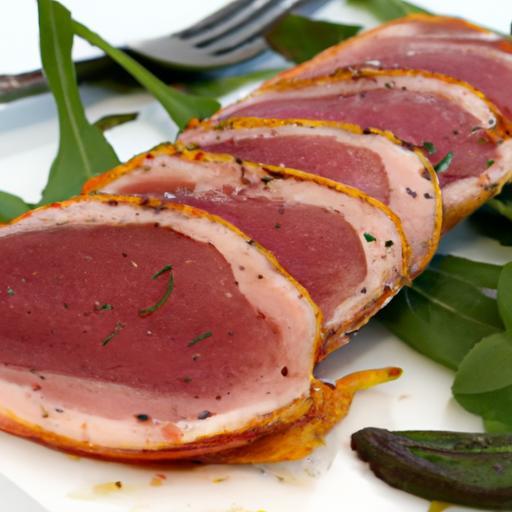
ThereS something undeniably captivating about teh marriage of bold flavors and elegant textures, and few dishes capture this harmony as beautifully as Crispy Duck Magret wrapped in delicate slices of prosciutto. This gourmet recipe guide invites you to embark on a culinary journey where succulent duck breast meets the salty, savory embrace of Italian ham, resulting in a dish that’s both decadent and refined. Whether you’re an adventurous home cook or a seasoned gastronome, prepare to unlock the secrets behind achieving the perfect crispy skin, tender meat, and irresistible aroma that will elevate your next dinner into a feast to remember. Let’s dive into the art and technique that transform simple ingredients into an extraordinary dining experience.
Choosing the Perfect Duck Magret for Ultimate Crispiness
The secret to elevating your crispy duck magret prosciutto lies in selecting the ideal duck breast to start with.freshness, quality, and the correct fat-to-meat ratio make all the difference between a perfectly crisp crust and a disappointing, chewy bite. When you choose your duck magret wisely, you lay the foundation for an unforgettable gourmet experience that sings with rich flavor and crispy texture.
Look for duck breasts labeled as “magret de canard” from duck breeds raised for their tender meat and balanced fat. A plump, firm breast with a generous layer of creamy white fat is essential; this fat renders slowly during cooking, basting the meat naturally and creating that luscious golden crackle.
Beware of overly lean cuts-the fat is your friend here. Without it, you’ll lose the luscious silkiness and signature crispiness that make this dish a standout. When possible, seek out ducks raised on natural feed, wich tends to produce meat with deeper flavor and firmer texture.
For aspiring cooks aiming to master the art of crispy duck magret prosciutto,sourcing from specialty butcher shops or trusted local markets ensures superior product quality. If you’re curious about the nutritional benefits or different duck cuts, check out our Ultimate Guide to Duck Cuts for insightful tips and comparisons.
Prep and Cook Time
- Planning: 15 minutes
- Cooking: 20 minutes
- Total Time: 35 minutes
Yield
Serves 4 elegantly portioned servings.
Difficulty Level
Medium – approachable for confident home cooks seeking to impress.
Ingredients
- 2 duck magrets (breasts) with skin on,about 6-7 oz each
- 1 teaspoon sea salt
- ½ teaspoon freshly ground black pepper
- 1 teaspoon smoked paprika
- 2 sprigs fresh thyme
- 2 cloves garlic,crushed
- 1 tablespoon extra virgin olive oil
Instructions
- Score the skin of the duck magret in a fine diamond pattern,cutting through the fat but not into the flesh. This allows the fat to render beautifully and crisps the skin.
- Generously season both sides of each magret with sea salt, black pepper, and smoked paprika.Let rest at room temperature for 10 minutes to absorb the flavors.
- Heat a heavy skillet over medium heat. Add the duck magret skin-side down, no oil needed - the fat will slowly melt and crisp the skin. Sear for about 8-10 minutes, monitoring closely and allowing fat to render, turning the breasts to golden perfection.
- flip the magret carefully using tongs. Add fresh thyme sprigs,crushed garlic,and olive oil around the breasts for aromatic infusions.
- Cook flesh side for another 4-6 minutes for medium-rare (adjust timing if preferred). Baste the breasts occasionally with the rendered fat and olive oil to keep moist and flavorful.
- Once cooked to your liking,transfer magrets to a resting plate and tent loosely with foil for 5 minutes. This crucial step allows juices to redistribute, ensuring tenderness inside.
- Slice thinly against the grain to reveal beautifully pink meat with irresistibly crisp skin. Arrange on serving plates and drizzle with a spoonful of the reduced pan juices if desired.
Tips for Success
- For maximum skin crispiness,pat the skin dry with paper towels before scoring and seasoning; moisture is the enemy of crispness.
- Use a heavy-bottomed skillet (cast iron preferred) for even heat distribution and better control during searing.
- If your duck breasts are thicker than usual, consider finishing them in a 375°F (190°C) oven for 5 minutes after searing to avoid undercooked centers.
- Resting the meat makes a profound difference; skipping this step leads to dry texture and juice loss.
- To add an elegant twist, experiment with zesting a little orange peel into your seasoning mix for a subtle citrus brightness.
Serving Suggestions
The luscious,crispy duck magret prosciutto is a masterpiece alone,but presentation can turn it into an unforgettable feast. Serve thin slices atop a bed of creamy parsnip purée or lightly dressed baby arugula salad with toasted walnuts. Garnish with delicate thyme sprigs and freshly cracked black pepper. A drizzle of aged balsamic reduction adds a refined contrast without overpowering the savoriness.
For an appetizer or light meal,pair with crisp pear slices and a handful of toasted pumpkin seeds for textural variety. For a heartier trust, side it with roasted root vegetables glazed in honey and fresh thyme. Highlight the duck’s silky fat and crisp skin by keeping sides simple but layered in fresh, earthy flavors.

| Nutrient | Per Serving |
|---|---|
| Calories | 430 kcal |
| Protein | 38 g |
| Carbohydrates | 1 g |
| Fat | 30 g |
Curious about elevating your duck cuisine further? Discover exquisite side pairings in our article on pan-roasted duck techniques from Serious Eats.
Mastering the Art of Prosciutto Wrapping to Enhance Flavor and Texture
Crispy Duck Magret Prosciutto delivers an extraordinary blend of flavors and textures, transforming a simple duck breast into a gourmet centerpiece.The technique of wrapping the magret with thin slices of prosciutto not only infuses it with a delicate saltiness but also creates a beautifully crisp exterior that seals in the succulent juices. This age-old method draws inspiration from both French and Italian culinary traditions, where cured meats elevate fresh ingredients to sublime heights.
When done correctly,prosciutto wrapping forms an irresistible contrast: the salty,crispy shell juxtaposed with tender,rich duck meat inside. My first encounter with this technique was during a visit to a rustic bistro in Lyon, where the melding of textures inspired me to recreate-and perfect-the method in my own kitchen.
Prep and Cook Time
- Preparation: 15 minutes
- Cooking: 25 minutes
- Total Time: 40 minutes
Yield
Serves 4 elegantly.
difficulty Level
Medium – requires attentive wrapping and precise cooking for the perfect texture.
Ingredients
- 4 duck magret breasts (skin-on, about 6 oz each)
- 8 thin slices of prosciutto (quality, no preservatives)
- 1 tbsp olive oil (extra virgin)
- 1 tsp freshly ground black pepper
- 1/2 tsp sea salt
- 2 sprigs fresh thyme
- 1 garlic clove (crushed)
- Fresh arugula (for garnish and serving)
Instructions
- Prepare the duck breasts: Score the skin in a fine crosshatch pattern using a sharp knife. This helps render the fat and crisps the prosciutto wrapping evenly.
- Season: Lightly sprinkle the duck breasts with sea salt and freshly ground black pepper. Keep seasoning subtle; prosciutto will add savory saltiness.
- Prosciutto wrapping: Lay two prosciutto slices slightly overlapping on a clean surface. Place one duck magret breast in the center and wrap it snugly but without tearing, ensuring the prosciutto wholly envelops the duck. Repeat with the remaining breasts.
- Preheat your pan: Heat olive oil over medium heat. Add crushed garlic and thyme sprigs to infuse the oil gently for about 2 minutes, then remove them to prevent burning.
- Sear the wrapped magret: Place each prosciutto-wrapped breast skin-side down. Sauté until the prosciutto crisps to a golden-brown hue-about 5 to 7 minutes. Turn carefully and cook the other side for another 3 to 4 minutes. Adjust heat as needed to avoid burning.
- Finish in the oven: Transfer the pan (or place the breasts on a lined baking tray) to a preheated oven at 375°F (190°C). Roast for 7 to 10 minutes, depending on your preferred doneness-medium-rare yields a perfectly juicy center.
- Rest: remove the duck magret from the oven, tent loosely with foil, and let rest for 5 minutes. This allows the juices to redistribute for maximum tenderness.
- Slice and serve: Using a sharp knife, slice the duck breasts crosswise into medallions to reveal the crispy prosciutto crust and tender duck inside. Garnish with fresh arugula for a peppery balance.
Tips for Success
- Choose thin prosciutto slices: Thicker cuts may not crisp evenly and can overpower the duck’s flavor.
- Don’t overcrowd the pan: Cook duck breasts in batches if needed to maintain heat and ensure even browning.
- Score the skin carefully: Avoid cutting too deep to prevent losing precious fat; this layer enhances the crispiness and flavor.
- Rest is essential: Allowing the meat to rest after roasting intensifies juiciness and prevents drying out.
- Make-Ahead: Wrap the magret breasts in prosciutto up to 4 hours in advance and refrigerate to let flavors meld before cooking.
Serving Suggestions
Serve your crispy duck magret prosciutto with a medley of seasonal roasted vegetables or a creamy parsnip purée to complement the rich meat.Lightly dress arugula with lemon juice and olive oil, scattering it around the plate to add freshness and a vibrant color contrast.To elevate this dish visually,finish with a sprinkle of coarsely ground black pepper and fresh thyme leaves scattered atop. adding a drizzle of aged balsamic reduction (without wine base) pairs beautifully and balances the savory elements.

Nutritional Information
| Nutrient | Per Serving |
|---|---|
| Calories | 410 kcal |
| Protein | 38 g |
| Carbohydrates | 2 g |
| Fat | 28 g |
For an in-depth guide on pairing poultry dishes with side accompaniments, check out our article on Perfect Poultry Side Dishes. You can also explore expert culinary techniques like these on Serious Eats to hone your skills further.
Step-by-Step Guide to Achieving the Ideal Crisp Skin and Juicy Interior
Crispy Duck Magret Prosciutto is a luxurious dish that marries savory textures with irresistibly juicy flavors. This recipe guide will take you on a culinary journey from perfectly scoring the duck skin to achieving that sublime balance between crackling crispness and tender, melt-in-your-mouth meat beneath. Originating from the rich traditions of French gastronomy, duck magret prosciutto is an elegant centerpiece worthy of any gourmet table.
Prep and Cook time
- Preparation: 15 minutes
- Marinating (optional): 12 hours for best flavor infusion
- Cooking: 20 minutes
- Total Time: Approximately 30 minutes active plus optional marinating
Yield
Serves 4 – ideal for an intimate dinner or festive gathering.
Difficulty Level
Medium – while uncomplicated, this recipe demands attention to detail and technique to perfect the crisp skin.
Ingredients
- 2 duck breasts (magret), skin-on (about 350g each)
- 4 slices of high-quality turkey prosciutto
- 1 tsp sea salt
- ½ tsp freshly cracked black pepper
- 1 tbsp olive oil
- 2 sprigs fresh thyme
- 1 garlic clove, lightly crushed
- 1 tbsp unsalted butter
- Fresh arugula or microgreens for garnish
Instructions
- Score the skin: Place each duck breast skin-side up. Using a sharp knife, gently score the skin in a diamond pattern without cutting into the flesh. This helps the fat render beautifully and the skin crisp up evenly.
- Season the duck: Sprinkle the sea salt and black pepper across both sides of the duck breasts. you can refrigerate uncovered for up to 12 hours to intensify flavor and dry out the skin for extra crispiness.
- preheat the skillet: Warm your frying pan over medium heat without oil – the duck skin will release enough fat natural for cooking.
- render the fat: Place the duck breasts skin-side down into the cold pan.Sauté gently for about 10-12 minutes, pressing down softly to ensure full contact. The skin will slowly turn a deep golden brown and crisp up. Carefully remove excess rendered fat with a baster or paper towel halfway through cooking if it accumulates too much.
- Flip and cook: Turn the duck breasts over and cook the flesh side for 3-5 minutes for medium-rare. Adjust timing slightly to your preferred doneness but avoid overcooking to retain juicy tenderness inside.
- Rest the duck: Remove from heat and cover loosely with foil, letting the meat rest for 5-7 minutes-this allows juices to redistribute evenly, ensuring bite-after-bite moistness.
- prepare the prosciutto wrap: While resting, warm the turkey prosciutto slices briefly in a dry pan just until fragrant and pliable, about 1 minute per side.
- Wrap and garnish: Thinly slice the duck breasts crosswise. Wrap each slice delicately in the warmed turkey prosciutto to add a layer of salty complexity and elegant presentation.
- Sauté aromatics: Quickly melt the unsalted butter with garlic and thyme in your skillet for 1-2 minutes. Drizzle this fragrant butter over the plated duck magret prosciutto.
- Serve: Arrange slices atop fresh arugula or microgreens for a peppery freshness and pop of color.
Tips for Success
- Room Temperature: Always bring duck breasts to room temperature before cooking; this ensures even heat distribution.
- Patience with the skin: resist the urge to increase heat too quickly; slow fat rendering creates the crispiest skin without burning.
- Use a thermometer: Aim for an internal temperature of 135°F (57°C) for perfect medium-rare.
- Substitutions: If turkey prosciutto is unavailable,lean smoked turkey breast slices can serve as a flavorful alternative.
- Make Ahead: Duck breasts can be seasoned and scored the day before; keep wrapped and refrigerated to build flavor and dryness for crisp skin.
- Leftovers: Slice cold slices for sandwiches or salads-duck magret prosciutto keeps beautifully in the fridge for up to 2 days.
Serving Suggestions
To celebrate the crispy duck magret prosciutto’s rich character, serve alongside roasted root vegetables such as golden beets and carrots, or pair with an earthy mushroom risotto. A drizzle of aged balsamic reduction or a few dots of tangy homemade orange gastrique add tantalizing brightness. For plating, scatter toasted pine nuts and a few microgreens on top to enhance textures and visual appeal. A glass of full-bodied black tea or handcrafted herbal infusion complements the savory, indulgent flavors without overpowering.
| Nutrient | Per Serving |
|---|---|
| Calories | 420 kcal |
| Protein | 35 g |
| Carbohydrates | 1 g |
| Fat | 30 g |
Explore pairing ideas and other gourmet duck recipes on our duck recipes page. for detailed nutritional insights into poultry, visit the USDA FoodData Central at fdc.nal.usda.gov.
Pairing Suggestions and Presentation tips for an Elegant gourmet experience
Crispy Duck Magret Prosciutto offers an exquisite gourmet experience that blends the intense, rich flavor of duck breast with a delicate, savory prosciutto-style cure. This dish transforms simple ingredients into a culinary masterpiece, inspired by classic French charcuterie traditions yet inviting your own creativity in the kitchen. Its hearty texture paired with a perfect golden crust delivers a mouthwatering balance between tenderness and crispness that will captivate your guests from the very first bite.
Prep and Cook Time
- Preparation: 25 minutes (plus 2 days for curing)
- Cooking: 15-20 minutes
- Total Time: Approximately 2 days, 40 minutes (including curing)
Yield
Serves 4 elegantly as a main course or 6 as part of an upscale charcuterie board.
Difficulty Level
Medium – Requires some patience and attention for the curing process, but straightforward cooking steps.
Ingredients
- 2 duck magret breasts (skin on, trimmed)
- 2 tbsp kosher salt
- 1 tbsp brown sugar
- 1 tsp cracked black pepper
- 1 tsp smoked paprika
- 1 tsp fresh thyme leaves
- 2 garlic cloves, minced
- 1 tbsp olive oil
- Fresh microgreens or baby arugula for garnish
- Figs or fresh pear slices (optional for serving)
- Toast points or crusty baguette slices for plating
instructions
- Prepare the Cure: In a small bowl, combine kosher salt, brown sugar, cracked black pepper, smoked paprika, thyme, and minced garlic. Mix thoroughly to create an aromatic spice blend.
- Cure the duck Magret: Rub the duck breasts evenly with your spice blend. Place them in a non-reactive dish, cover tightly with plastic wrap, and refrigerate for 48 hours. This step intensifies flavor and develops that signature prosciutto-like texture.
- Rinse and Dry: After curing, gently rinse the spice mixture off under cold running water. Pat the duck breasts completely dry with paper towels to ensure a crisp sear.
- Score the Skin: Using a sharp knife, carefully score the duck skin in a crosshatch pattern without cutting into the meat. This allows the fat to render beautifully.
- Sear the Duck: heat olive oil in a heavy skillet over medium heat. place the duck breasts skin side down, cooking for about 8-10 minutes until the skin is golden brown and crisp, turning off heat if skin browns too fast.
- finish Cooking: Flip the duck breasts over and cook another 5-7 minutes for medium-rare, or longer to your preferred doneness. Use a meat thermometer to aim for an internal temperature of 135°F (57°C) for perfect tenderness.
- Rest: Remove from heat and cover loosely with foil. Let rest for 5-7 minutes to allow juices to redistribute, ensuring juicy slices when you carve.
- Slice & Serve: Thinly slice the duck magret against the grain. Arrange on a warmed platter, garnished with fresh microgreens and fruit slices to contrast the savory richness.
Chef’s Notes
- Variation: For a subtle smoky twist, add a pinch of ground chipotle powder to the curing mix.
- Substitution: If thyme is unavailable, rosemary or sage make excellent herbal alternatives.
- Make-ahead: The cured duck breasts can be prepared in advance and cooked on the day of your event; just keep them refrigerated tightly sealed.
- Tips for Success: Patience during the curing and drying phases is vital - don’t rush, as this creates the signature texture and depth of flavor in this duck magret prosciutto.
- Common Mistake: Avoid overcrowding the pan when searing to keep crispiness intact; cook in batches if needed.
Serving Suggestions for a Luxurious Presentation
Present your slices of crispy duck magret prosciutto against a backdrop of vibrant colors and contrasting textures. A simple drizzle of high-quality extra virgin olive oil or a balsamic reduction can highlight the meat’s richness without overpowering it.
Pair with toasted baguette slices or artisan crackers arranged in a fan shape, then scatter baby arugula or microgreens on and around the plate for freshness. Add fresh pear slices or ripe figs for sweetness that harmonizes beautifully with the smoky, savory profile.
For drinks, a glass of lightly sparkling elderflower soda or a dry white grape juice with citrus notes lends elegance without alcohol, complementing the flavors without overshadowing them.
| Nutrient | Per Serving |
|---|---|
| Calories | 320 kcal |
| Protein | 28 g |
| Carbohydrates | 2 g |
| Fat | 22 g |
Additional Inspiration
Enhance your culinary journey by exploring other gourmet charcuterie recipes inspired by French techniques in our French Charcuterie Guide. For understanding the science behind curing and flavor infusion, visit the Serious Eats Food Science section.

Q&A
Q&A: Crispy Duck Magret Prosciutto - A Gourmet Recipe Guide
Q1: What exactly is Duck Magret, and why is it special in this recipe?
A1: Duck Magret is the primal cut from the breast of a French Moulard or Mulard duck, which is typically a crossbreed between a domestic duck and a wild mallard. It’s prized for its rich flavor and succulent texture, making it perfect for achieving that signature crispy skin and tender meat combo in this recipe.When cooked right, the fat renders beautifully, infusing the magret with deep, savory juices.Q2: How do you achieve that coveted crispiness on the Duck Magret skin?
A2: The secret lies in slow-rendering the fat before hitting a high heat finish. Start by scoring the skin in a diamond pattern to allow the fat to melt evenly. Begin cooking skin-side down on medium-low heat to let the fat render gently over time. This method crisps the skin without burning it. Once much of the fat is rendered and the skin is golden and crackly, flip the breast and sear briefly to perfect the doneness.
Q3: Why include prosciutto in a duck magret recipe if they are both cured or cooked meats?
A3: In this recipe, prosciutto acts as an aromatic wrapper and flavor enhancer rather than a primary protein.Wrapping the magret lightly in thin slices of prosciutto adds an intriguing salty umami layer, plus a delicate crisp texture when seared. The slight saltiness helps balance the rich fattiness of the duck,while maintaining a beautiful visual contrast.
Q4: Can this dish be prepared ahead of time, or is it best served instantly?
A4: For the best texture and flavor, serve crispy duck magret prosciutto immediately after cooking. The skin’s crispiness tends to soften as it cools,and the magret’s luscious juices are most vibrant fresh off the pan. However, the duck can be cooked about an hour ahead and gently reheated in the oven to retain warmth, just avoid reheating at too high a temperature to preserve the prosciutto’s crispness.
Q5: what side dishes pair well with Crispy Duck Magret Prosciutto to complement its rich flavors?
A5: Think layers of earthy, slightly sweet, and fresh elements. Roasted root vegetables like parsnips and carrots, or a purée of celery root or sweet potatoes, provide a smooth, mellow counterpoint. Fresh greens with a tangy vinaigrette-such as arugula or watercress-cut through the richness beautifully. For some texture, toasted nuts or seeds bring a delightful crunch to the plate.
Q6: Are there any recommended seasoning or marinade tips to elevate the flavor of the duck without overpowering it?
A6: Keep the seasoning simple to let the duck and prosciutto shine. A gentle rub of cracked black pepper and a pinch of sea salt before cooking is usually sufficient. For an aromatic twist, add subtle hints of fresh herbs like thyme or rosemary around the pan while cooking.Avoid heavy marinades that mask the duck’s natural flavor; a light brush of honey or balsamic reduction at the end can add a luscious glaze without overwhelming the palate.
Q7: How can one tell when the Duck Magret is perfectly cooked?
A7: Aim for a medium-rare to medium doneness to keep the magret juicy and tender. After searing, let the meat rest for about 5-7 minutes; the internal temperature should reach around 130-135°F (54-57°C) for medium-rare.The meat’s color will be a warm pink with juices still glistening,signaling a perfect balance of flavor and texture.
Q8: Is it possible to make this recipe with duck magret from sources other than French ducks?
A8: Absolutely! While French Moulard duck is prized for its flavor, magret cuts from other duck breeds available locally or from farm suppliers can work well.Just ensure the breast is thick and has a good layer of fat under the skin to allow that crisp rendering magic to happen. Adjust cooking times slightly depending on the size and thickness of the magret you have.
Q9: What kitchen tools or equipment help achieve the best results with this recipe?
A9: A heavy-bottomed skillet or cast iron pan is ideal for even heat distribution and crisping the skin uniformly. A sharp knife is essential for scoring the skin properly without cutting too deep into the meat. A meat thermometer can be helpful for checking doneness precisely. a resting rack or plate to let the meat relax post-cooking ensures the juices settle for a juicy bite.
This Q&A provides a flavorful glimpse into mastering the art of Crispy Duck magret Prosciutto, guiding you step-by-step toward crafting a dish that dazzles both the eyes and the palate.
Future Outlook
As the final crackle of the crispy duck magret meets the delicate saltiness of prosciutto, you’ve crafted more than just a dish-you’ve created a symphony of flavors that dance on the palate. This gourmet recipe guide invites you to embrace culinary artistry, transforming humble ingredients into an extraordinary dining experience. Whether hosting an elegant dinner or indulging in a personal feast, the magic of crispy duck magret with prosciutto promises a journey of taste that lingers long after the last bite. So, sharpen your knives, heat your pans, and let this exquisite recipe inspire your next culinary masterpiece.