
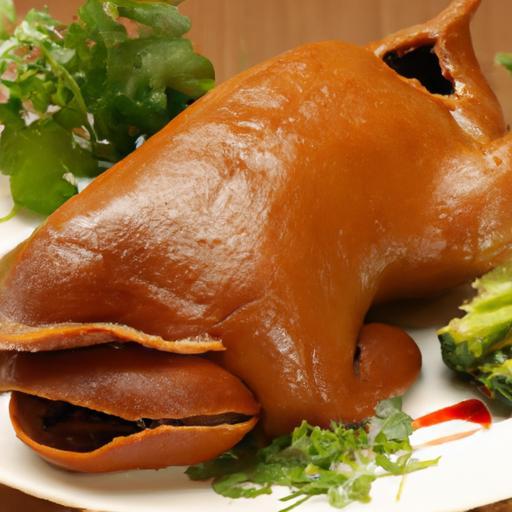
Few culinary challenges rival teh artful mastery of a perfectly roasted duck-crispy skin, tender meat, and that unforgettable depth of flavor.Enter Gordon Ramsay, the titan of the kitchen, whose roast duck recipe has captivated home cooks and food lovers worldwide. In this guide, we’ll journey step-by-step through Ramsay’s approach to transforming a humble bird into a show-stopping centerpiece, all from the comfort of your own kitchen. Whether you’re an adventurous foodie or a seasoned cook looking to elevate your roast game, prepare to unlock the secrets behind one of Gordon Ramsay’s most celebrated dishes.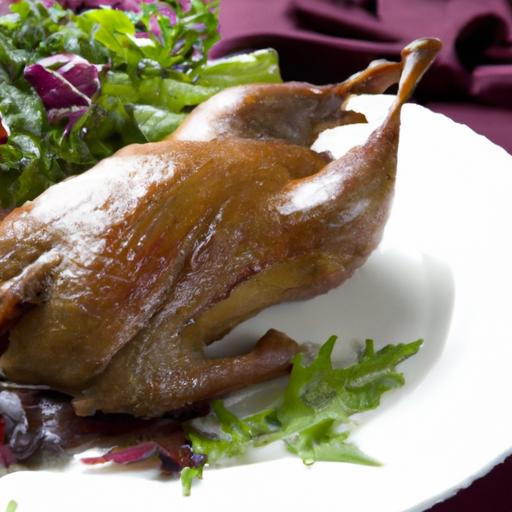
Understanding Gordon Ramsays Approach to the Perfect Roast Duck
Gordon Ramsay’s Secrets to Achieving the Ultimate Roast Duck
Master Gordon Ramsay’s Roast Duck is not just a dish; it’s an exquisite journey into culinary precision and flavor harmony. Renowned for his dedication to technique and bold flavor, Ramsay transforms a simple roast duck into an irresistible centerpiece packed with crisp skin, succulent meat, and aromatic depth. Originally celebrated in British gastronomy, this approach marries classical roasting with modern finesse-allowing home cooks to recreate a restaurant-quality bird that’s perfect for special occasions or a luxurious weekend meal.
If you’ve ever wondered how to get that perfectly crisp skin paired with tender, flavorful meat, Ramsay’s method demystifies this culinary art and makes it approachable for all skill levels. His focus on meticulous prep, balanced seasoning, and mastering temperature gives you full control over every delicious bite.
Prep and Cook Time
- Preparation: 20 minutes
- Marinating (optional): 2-4 hours for enhanced flavor
- cooking: 1 hour 15 minutes
- Total Time: Approximately 1 hour 35 minutes (plus marinating)
Yield
Serves 4 to 6 hungry guests generously, perfect for a cozy gathering.
Difficulty Level
Medium: Demands attention to layering flavors and precise roasting but remains accessible with clear steps.
Ingredients
- 1 whole duck (about 5-6 lbs), thoroughly cleaned and patted dry
- 2 tsp sea salt
- 1 tsp freshly ground black pepper
- 2 sprigs fresh thyme
- 1 orange, quartered
- 3 garlic cloves, lightly crushed
- 2 tbsp olive oil
- 1 tbsp honey (for glazing)
- 1 cup chicken stock
- 1 tbsp soy sauce (optional for deeper, savory notes)
Instructions
- Preheat your oven to 375°F (190°C) while you prepare the duck.
- Score the duck breast skin lightly in a crisscross pattern-be careful not to cut into the meat. This step is crucial for rendering fat and achieving crisp skin.
- Season the duck generously inside and out with sea salt and black pepper.Insert the thyme sprigs, orange quarters, and garlic cloves into the cavity to infuse aromatic flavor during roasting.
- Rub the skin with olive oil to encourage even browning and drizzle half the honey over the breast for a sweet glaze that caramelizes beautifully.
- Place the duck breast-side up on a rack in a roasting pan. This allows heat to circulate, preventing soggy skin.
- Roast the duck for approximately 45 minutes.Halfway through, baste the duck with pan juices, and brush with remaining honey to build a layered glaze.
- Reduce oven temperature to 325°F (160°C),pour chicken stock and soy sauce into the pan,and continue roasting for another 30 minutes or until the internal temperature reaches 165°F (74°C).
- Remove the duck and let it rest for 15 minutes. Resting locks in precious juices, resulting in moist, tender meat.
- Carve with confidence, slicing the breast against the grain, and serve immediately to enjoy that perfect balance of crisp skin and juicy flesh.
Tips for Success
- Dry skin is key: For extra crispy skin, pat the duck dry thoroughly with paper towels before seasoning.
- Rendering fat: Save the rendered duck fat from the roasting pan-it’s pure gold for roasting potatoes or sautéing greens.
- Marinating option: For deeper flavor, marinate the duck overnight in a mixture of citrus juice, olive oil, salt, and herbs.
- Don’t skip resting: this step is vital to keeping juices inside the meat instead of running onto the plate.
- Vegetarian alternative to soy sauce: Use coconut aminos for a soy-free option with a slightly sweet, umami tone.
Serving Suggestions
serve your exquisite roast duck alongside roasted root vegetables like carrots and parsnips tossed in the reserved duck fat for unbeatable flavor. fresh herbs such as rosemary or parsley sprinkled over the top add a burst of color and aroma. A tangy cranberry or orange sauce complements the richness perfectly,and creamy mashed potatoes make an indulgent base.
For an elegant touch, garnish plates with thin orange zest curls or a few microgreens. Pairing with a light, crisp apple or pear salad balances richness with refreshing texture and subtle acidity.

Nutritional Information
| Nutrient | Per Serving (1/6 duck) |
|---|---|
| Calories | 480 kcal |
| Protein | 40 g |
| Carbohydrates | 3 g |
| Fat | 35 g |
For further inspiration on roast classics, you might enjoy our Classic Roast Chicken Recipe. To deepen your knowledge of meat cooking temperatures, visit the US Food Safety Cooking Temperature Chart.
Selecting and preparing the Ideal duck for Maximum Flavor
Master Gordon ramsay’s Roast Duck begins with selecting the perfect bird to unlock deep, succulent flavors that elevate every forkful into a culinary celebration.This dish’s signature richness and crispy skin hinge on choosing and preparing your duck with care-a step frequently enough overlooked but incredibly rewarding when done right. duck, unlike chicken, boasts a thick layer of flavorful fat beneath its skin, which when rendered perfectly, delivers the moist, tender meat and golden crispiness that makes this recipe unforgettable.
To start, opt for a fresh, whole duck ideally weighing between 4 to 5 pounds. This size offers an ideal balance-large enough for plenty of meat yet manageable for even home cooks. Free-range ducks with a vibrant, firm skin and a slight sheen promise optimal freshness and taste. Avoid frozen birds when possible,as thawing may compromise texture and result in excess water,reducing that coveted crispy finish.
Before roasting, preparation is key. Gently pat your duck dry with paper towels to remove surface moisture, focusing especially on the skin. Moisture is the enemy of crispiness.Next, allow the duck to rest uncovered in the refrigerator for a few hours or overnight to air-dry the skin. This technique tightens and dehydrates the skin, setting the stage for a sublime crackling effect once roasted.
Trimming excess fat from the cavity and neck area not only prevents flare-ups but helps concentrate the rich flavors. Prick the skin lightly-but not into the meat-to encourage even fat rendering without drying out the flesh. Seasoning inside the cavity with aromatic herbs like thyme, rosemary, and halved citrus fruits will infuse the bird with subtle fragrant notes during roasting.
Prep and Cook time
- Preparation: 15 minutes (plus 3-12 hours air-drying time)
- Cooking: 1 hour 20 minutes to 1 hour 40 minutes, depending on duck size
- Total Time: Approximately 4 hours including resting
Yield
Serves 4 to 6 people generously
Difficulty Level
Medium – Ideal for home cooks ready to impress with professional results
Ingredients
- 1 whole fresh duck (4-5 lbs), trimmed and patted dry
- 1 tablespoon sea salt, plus extra for seasoning
- 1 teaspoon freshly ground black pepper
- 2 sprigs fresh thyme
- 2 sprigs fresh rosemary
- 1 orange or lemon, halved
- 4 cloves garlic, lightly crushed
- 1 tablespoon vegetable oil or duck fat for roasting pan
Instructions
- Prepare the duck: Remove any excess fat from the cavity and neck area. pat the duck thoroughly dry with paper towels. Prick the skin carefully all over, especially on the breasts and thighs, avoiding the meat beneath.
- Season: Rub 1 tablespoon sea salt and black pepper evenly over the duck, including inside the cavity.
- Stuff aromatics: Place thyme, rosemary, garlic, and the halved citrus inside the cavity for fragrant roasting.
- Air-dry the duck: Set the duck on a rack over a tray and refrigerate uncovered for at least 3 hours, preferably overnight, to dry the skin and enhance crispiness.
- Preheat the oven: Heat to 220°C (430°F). Position a rack in a roasting pan and add 1 tablespoon of vegetable oil or reserved duck fat.
- Roasting: Place the duck breast-side up on the rack. Roast at high heat for 15 minutes to kick-start skin rendering.
- Reduce temperature: Lower oven to 180°C (355°F) and roast for an additional 60-80 minutes. Baste intermittently with the duck fat collecting in the pan to keep skin golden and moist.
- Check doneness: the duck is ready when the internal temperature reaches 75°C (165°F) in the thickest part of the thigh,and skin is a deep,crispy brown.
- Rest the duck: Remove from oven and cover loosely with foil. Let rest for 15 minutes before carving to allow juices to redistribute.
Tips for success
- Dry skin is crisp skin: The air-drying step in the fridge is non-negotiable for maximum skin crunchiness.
- Save the fat: collect the rendered fat during roasting to use for roasting potatoes or sautéing greens-flavor gold!
- Thermometer use: Invest in a reliable instant-read meat thermometer for perfectly cooked duck every time.
- Flavor variations: Try swapping citrus for star anise and cinnamon for a subtle Asian-inspired twist.
- Make-ahead: Prepare and air-dry the duck the night before you plan to cook, making the day of easier and more relaxed.
Serving Suggestions
Carve the duck into elegant slices, with an emphasis on crisp skin atop tender meat. Serve alongside warm roasted vegetables like caramelized carrots and parsnips, or a shining, tangy pomegranate salad to cut through the richness. Garnish with fresh herbs and a wedge of citrus to add color and freshness. A drizzle of tangy plum or orange sauce can beautifully complement the intense flavor profile.

| Nutrient | Per Serving |
|---|---|
| Calories | 540 kcal |
| Protein | 45 g |
| Carbohydrates | 3 g |
| Fat | 38 g |
To deepen your culinary knowledge and complement this recipe, check out our Perfect Roast Chicken Guide, a fantastic companion for mastering poultry at home. For further expertise on duck farming and quality selection, visit the UK Duck Farmers Association.
Mastering the Art of Seasoning and Marinade Techniques
master Gordon Ramsay’s Roast Duck:
Master Gordon Ramsay’s Roast Duck offers an exquisite journey into bold flavors and carefully crafted seasoning that elevate this classic dish to remarkable heights. Originating from the rich culinary traditions of British fine dining, this recipe brings together the perfect balance of aromatic herbs, citrus, and warming spices to awaken the palate. I vividly recall my first attempt at this recipe-pressing fragrant cloves of garlic into the duck’s skin and letting the marinade work its magic overnight. The result was a succulent, golden roast bursting with depth and nuance, making every bite a celebration.
Prep and Cook Time
- Preparation: 20 minutes
- Marinating: 12 hours (overnight recommended)
- Cooking: 1 hour 30 minutes
- Total Time: Approximately 14 hours 20 minutes
Yield
Serves 4 to 6 guests generously.
Difficulty Level
Medium. Requires some precision in seasoning and timing but approachable for confident home cooks.
Ingredients
- 1 whole duck (about 5 lbs), cleaned and patted dry
- 1 tbsp sea salt
- 1 tsp freshly ground black pepper
- 4 cloves garlic, crushed
- 2 sprigs fresh rosemary
- 2 sprigs fresh thyme
- 1 orange, zested and juiced
- 2 tbsp soy sauce (gluten-free, if preferred)
- 1 tbsp honey
- 1 tsp Chinese five-spice powder
- 1 inch piece of fresh ginger, grated
- 2 tbsp olive oil
Instructions
- Prepare the duck: Begin by thoroughly drying the duck with paper towels, inside and out. Prick the skin gently with a fork to help render the fat for a crispier texture during roasting.
- Make the marinade: In a bowl, whisk together the soy sauce, honey, orange juice and zest, garlic, rosemary, thyme, ginger, five-spice powder, salt, pepper, and olive oil. The blend of citrus and spices will infuse the duck with vibrant flavor and a subtle sweetness.
- Marinate the duck: Place the duck in a large resealable plastic bag or a deep container. Pour the marinade over it, massaging it gently into every corner, including the cavity. Seal and refrigerate for at least 12 hours, turning occasionally for even coverage.
- Preheat your oven: Set to 375°F (190°C). Position a rack within a roasting pan to allow air circulation and fat drainage.
- Roasting: Remove the duck from the marinade, letting excess liquid drip off, and reserve the marinade. Place the duck breast-side up on the rack. Roast for 1 hour, basting every 20 minutes with the reserved marinade to keep the skin moist and flavorful.
- Final crisp: Increase oven temperature to 425°F (220°C). Roast for an additional 20-30 minutes, or until the skin is deeply golden and crisp.Use a meat thermometer to ensure an internal temperature of 165°F (74°C) in the thickest part of the thigh-juice should run clear.
- Rest before carving: Remove the duck from the oven, tent loosely with foil, and allow to rest for 15 minutes. This helps juices redistribute for a tender, juicy bite.
Tips for Success
- For even richer flavor, consider spatchcocking the duck before marinating; this reduces cooking time and improves crisping.
- If you don’t have fresh herbs,dried versions can substitute but keep quantities to half since they are more concentrated.
- Use a sharp carving knife for clean slices-carving the duck while warm ensures less shredding of the meat.
- Reserve the rendered duck fat for roasting potatoes-its flavor complements the dish perfectly.
- Make-ahead tip: Marinate overnight or up to 24 hours for the most intense flavor infusion.
- If the marinade caramelizes too fast during roasting, tent the duck with foil to prevent burning.
Serving Suggestions
Serve slices of the beautifully roasted duck atop a bed of creamy mashed potatoes or aromatic jasmine rice.Garnish with fresh rosemary sprigs and thin orange slices that add a bright contrast visually and flavor-wise. For a crisp texture balance,include a side of sautéed seasonal greens-like kale or broccolini-with a squeeze of lemon. A drizzle of pan jus made from the roasting pan’s drippings rounded out with a splash of chicken stock creates a luscious finishing touch.

| Nutrient | Per Serving |
|---|---|
| Calories | 540 kcal |
| Protein | 42 g |
| Carbohydrates | 6 g |
| fat | 35 g |
Want to explore more savory poultry recipes? Check out our Perfect Roast Chicken tutorial. For more in-depth culinary science behind marinating techniques,the Serious Eats guide to marinades is an excellent resource.
Tips and Tricks for Achieving Crispy Skin and Succulent Meat
Master Gordon Ramsay’s Roast Duck: A Homemade Guide is your passport to unlocking the secrets behind irresistibly crispy skin paired with tender, juicy meat.Duck, with its rich, flavorful fat and tender flesh, demands careful attention to technique to truly shine. Achieving that perfect balance isn’t just about roasting-it’s a ritual that combines patience, precision, and a few well-guarded chef tricks.
First, dry skin is paramount. Any lingering moisture on the duck’s surface inhibits crispness, so after patting the duck dry with paper towels, keep it uncovered in the fridge for several hours. This step, known as air-drying, helps evaporate excess moisture and tightens the skin beautifully, setting the stage for a golden, crackling finish.
Another secret lies in the scoring of the skin. Gently run a sharp knife over the skin in a crosshatch pattern, careful not to cut through to the meat. This not only renders fat rendering more efficient but also allows heat to penetrate evenly, ensuring the skin crisps up uniformly without drying the meat.
While cooking, regulate your oven temperature wisely. Start at a higher temperature to kick off crispy skin progress-around 220°C (430°F)-then lower it during the cooking time to gently cook the meat through without drying it out. This temperature dance mirrors Gordon Ramsay’s professional approach, coaxing the duck to reveal its full flavor potential.
Throughout roasting, don’t overlook the importance of the rendered duck fat. As the skin crisps, the fat melts away underneath. Collect it as it drips; not only is it pure gold for roasting potatoes or vegetables later,but it’s an indicator that your skin is rendering correctly for that coveted crisp.
Resting the duck after roasting is crucial. Tent it loosely with foil and let it rest for at least 15 minutes-this allows the juices to redistribute,locking succulence into every slice instead of spilling out onto your carving plate.
don’t be afraid to embrace your senses. A crispy crackle and a fragrant golden hue are your signals you’ve nursed the skin and meat into perfect harmony. Following these tips will elevate your roast duck experience, making every bite a celebration of texture and taste.
Q&A
Q&A: Master Gordon Ramsay’s Roast Duck – A Homemade Guide
Q1: What makes Gordon Ramsay’s roast duck recipe stand out from others?
A1: Gordon Ramsay’s roast duck recipe is a masterclass in balance-crispy, golden skin paired with succulent, tender meat. His technique involves precise seasoning and a careful roasting process that renders the fat perfectly, resulting in a rich, flavorful bird without being greasy. The focus on fresh herbs, aromatics, and a simple yet bold glaze elevates this dish beyond the ordinary.
Q2: How should I prepare the duck before roasting to ensure the skin crisps up nicely?
A2: The key is to dry the duck thoroughly, ideally by letting it air-dry uncovered in the refrigerator for several hours or overnight. Before roasting, prick the skin gently all over without piercing the meat to help release the fat during cooking. This method promotes crispy, crackling skin while keeping the meat juicy.Q3: What herbs and aromatics does Ramsay recommend using for flavoring the duck?
A3: Ramsay favors classic,fragrant aromatics like fresh thyme,rosemary,and garlic.These herbs, when tucked inside the cavity along with quartered oranges or lemons, infuse the meat with subtle, zesty notes. This blend of herbal and citrus elements balances the richness of the duck beautifully.Q4: At what temperature and for how long should I roast the duck?
A4: Ramsay suggests starting the roast at a high temperature-around 220°C (425°F)-for the first 15-20 minutes to crisp the skin, then lowering it to 180°C (350°F) for the remainder, approximately 40-50 minutes depending on the duck size. This two-stage roasting process ensures the skin crisps without overcooking the meat.
Q5: How can I tell when the duck is perfectly cooked?
A5: The cooked duck should have perfectly crisp skin with deep golden-brown color. The juices run clear when pierced at the thickest part of the thigh. For precision, an internal temperature of about 75°C (165°F) ensures tenderness and safety without dryness.
Q6: What are some creative side dishes to pair with Gordon Ramsay’s roast duck?
A6: Roasted root vegetables glazed with a hint of honey complement the duck’s rich flavor beautifully. A refreshing citrus salad with fennel or a simple sautéed green like tenderstem broccoli adds a lovely contrast. For starch, creamy mashed potatoes or a wild rice pilaf infused with herbs provide a hearty balance.
Q7: Can I make a sauce to accompany the roast duck – and if so,what kind?
A7: Absolutely! Ramsay often serves roast duck with a vibrant orange sauce or a reduction of the pan juices combined with fresh herbs,stock,and a touch of honey or citrus juice. The sauce should be bright and slightly sweet to cut through the richness of the meat without overpowering its natural flavor.
Q8: Is it necessary to score the duck skin before roasting?
A8: Scoring the skin lightly can help render the fat more efficiently and encourage even crisping. However, it must be done carefully to avoid cutting into the flesh, which can dry the meat. Minimal, shallow scoring paired with air-drying usually does the trick.Q9: How do I ensure my homemade roast duck has that restaurant-quality presentation?
A9: After roasting, let the duck rest for 10-15 minutes to allow juices to redistribute. Carve with precision-slice against the grain-and arrange neatly on a warm platter. Garnish with fresh herbs and thin slices of citrus to echo the flavors inside the bird. A drizzle of the pan sauce over the slices adds gloss and appeal.
Q10: Can Ramsay’s roast duck be prepared in advance for entertaining?
A10: Yes! You can roast the duck earlier in the day and gently reheat it in a hot oven just before serving to revive the crispy skin. The accompanying sauce can be made ahead and warmed separately. This makes it a fantastic centerpiece for a special occasion without last-minute stress.
Mastering Gordon Ramsay’s roast duck at home transforms a simple bird into an extraordinary feast-crispy, succulent, and richly aromatic-perfect for impressing family and friends with your culinary prowess!
In Retrospect
As the savory aroma of your perfectly roasted duck fills the kitchen, you’ve not only crafted a dish worthy of a master chef but also embarked on a flavorful journey inspired by gordon Ramsay himself. With this homemade guide in your culinary repertoire, roasting duck transforms from an intimidating challenge into an exciting possibility to impress family and friends. So, don your apron, trust the process, and let each crispy, golden bite remind you that great cooking is as much about passion as it is technique.Hear’s to mastering the art of roast duck-your next signature dish awaits!