

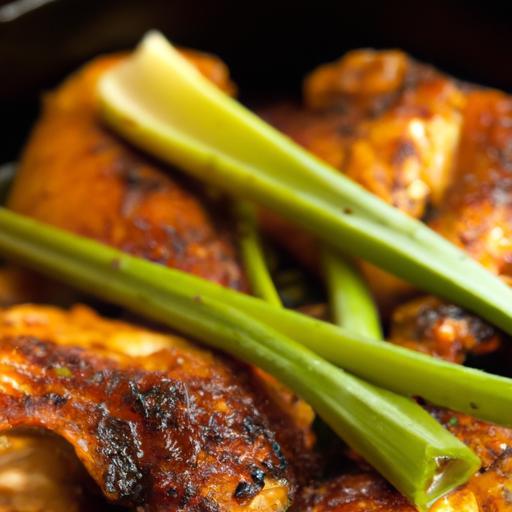
There’s something undeniably magical about the sizzle of chicken hitting a scorching cast iron skillet-a sound that promises a symphony of crackling, golden-brown perfection. Mastering the art of cast iron skillet chicken isn’t just about cooking; it’s about unlocking a culinary ritual that transforms simple ingredients into an irresistible feast. From achieving that coveted crispy skin too infusing each bite with deep, smoky flavor, this method demands a delicate balance of technique and patience. Whether you’re a seasoned chef or a home cook eager to elevate your weeknight dinners, this guide will take you step-by-step through the secrets to sizzling perfection that only a cast iron skillet can deliver. Get ready to turn an everyday meal into something unusual.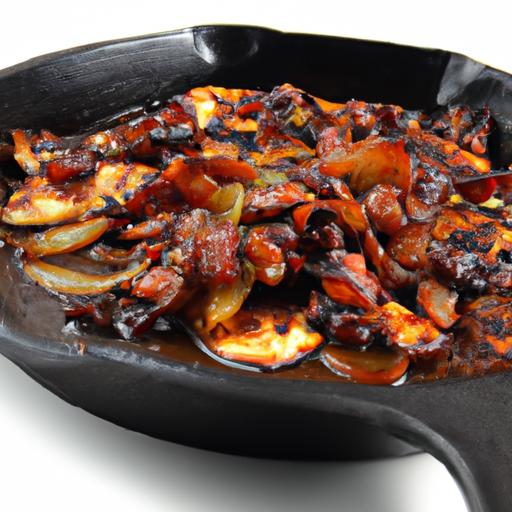
Choosing the Ideal Cast Iron Skillet for Even heat and Superior Sear
Sizzling Perfection: Mastering Cast Iron Skillet Chicken begins with selecting the ideal cast iron skillet to achieve that coveted even heat and superior sear. The right skillet transforms your chicken into a golden-crisp masterpiece, locking in juices with every sizzling bite. Having experimented with countless pans over the years, I’ve learned that the secret lies in balanced weight, surface quality, and heat retention. This guide will swiftly steer you toward the perfect skillet for sizzling chicken success.
Prep and Cook Time
- Prep Time: 15 minutes
- Cook Time: 25 minutes
- Total Time: 40 minutes
Yield
Serves 4 hearty portions
Difficulty level
Easy to Medium – perfect for both beginners and seasoned home cooks eager to elevate their skillet skills.
Ingredients
- 1 whole chicken (about 3.5 lbs), spatchcocked for even cooking
- 2 tablespoons olive oil or avocado oil, ideal for high-heat searing
- 1 teaspoon kosher salt
- ½ teaspoon freshly ground black pepper
- 1 tablespoon smoked paprika for a mild smoky accent
- 4 garlic cloves, smashed
- 1 lemon, halved for roasting and garnish
- Fresh rosemary sprigs or thyme for aromatic flavor
instructions
- Preheat your oven to 425°F (220°C). Place your cast iron skillet in the oven while it heats to ensure the pan is equally hot throughout.
- Pat the spatchcocked chicken dry with paper towels. This step is vital for maximum crispiness and even searing.
- Rub the chicken all over with olive oil, then season evenly with kosher salt, black pepper, and smoked paprika, ensuring thorough coverage.
- Carefully remove the hot skillet from the oven (using oven mitts) and place it on your stovetop over medium-high heat.
- Lay the chicken skin-side down in the skillet. It should sizzle immediately – this sound is your confirmation of the perfect sear starting.
- Sear the chicken without moving for 8-10 minutes until the skin is deeply golden brown and releases easily from the pan.
- Flip the chicken over, add garlic cloves, lemon halves, and fresh rosemary to the skillet, then transfer to the preheated oven.
- Roast uncovered for 15-20 minutes or until an instant-read thermometer inserted into the thickest part of the thigh reads 165°F (74°C).
- Remove the skillet from the oven, transfer the chicken to a cutting board, and tent with foil. let rest for 10 minutes to allow juices to redistribute.
- Slice and serve, garnished with the roasted lemon and fresh herbs for that picture-perfect finish.
Tips for Success:
- Weight and Thickness: Aim for a skillet between 10″ and 12″ with a moderate weight. Too light, and it won’t retain heat; too heavy means hard handling and uneven cooking hotspots.
- Smooth, Pre-Seasoned Surface: A smooth cooking surface minimizes sticking and creates that gorgeous, even sear essential for juicy chicken.
- Well-Balanced Heat: Cast iron takes time to heat but excels at holding it. Preheat your skillet thoroughly to avoid temperature drops when the chicken hits the pan.
- Manage Handle Comfort: Consider a skillet with an assisted handle or silicon grip to safely maneuver during transfers between stovetop and oven.
- Maintenance Boost: Regular seasoning with flaxseed oil or avocado oil enhances the natural non-stick layer, developing better heat conduction over time.
- Invest in Quality: Trusted brands like lodge, Le creuset, or Finex offer consistent thickness and smooth finishes that elevate every sear to professional caliber.
Serving suggestions
Present your perfectly seared chicken alongside vibrant roasted vegetables or a creamy mashed cauliflower for a wholesome balance. A drizzle of pan juices or a squeeze of fresh lemon makes an elegant final touch. Garnish with fresh rosemary sprigs or a sprinkle of flaky sea salt to add a burst of aroma and flavor that will delight both eyes and palate.
| Nutrient | Per Serving |
|---|---|
| Calories | 420 kcal |
| Protein | 45 g |
| Carbohydrates | 2 g |
| Fat | 25 g |
Explore our guide to cast iron skillet basics to deepen your culinary expertise. for a deeper dive into cast iron’s heat properties, visit Serious Eats’ cast iron skillet review.

Preparing Your Chicken with Flavor-Packed Marinades and Seasonings
Sizzling Perfection: Mastering Cast Iron Skillet Chicken starts the moment you unlock the power of flavor-packed marinades and seasonings. This approach transforms simple chicken into a mouthwatering masterpiece that sings with every bite. Whether you opt for a tangy, herbaceous soak or a bold, smoky rub, the secret to that irresistible golden crust lies in the marinade’s ability to tenderize and infuse the meat deeply before it hits the hot cast iron.
One of my favorite moments in the kitchen is watching the aromas swell as the skillet heats and the chicken sizzles-a sensory overture promising juicy, tender, and flavorful results. With just a few pantry staples and fresh herbs, you can craft a marinade that enhances your chicken’s natural taste, ensuring a cast iron skillet chicken experience that’s both approachable and notable.
Prep and Cook Time
- Planning: 15 minutes
- Marinating: 1 to 4 hours (ideal: overnight)
- Cooking: 20 minutes
- Total Time: Approximately 1 hour 35 minutes to 4 hours 35 minutes
Yield
Serves 4 hearty portions, perfect for a small family dinner or intimate gathering.
Difficulty Level
Easy to Medium – Great for home cooks eager to build their confidence with skillet techniques and flavor layering.
Ingredients
- 4 boneless, skin-on chicken thighs (preferably organic or free-range for superior flavor)
- 3 tbsp olive oil (extra virgin for marinade, plus extra for cooking)
- 2 cloves garlic, minced
- 1 tbsp fresh lemon juice (adds bright acidity)
- 1 tbsp Dijon mustard (for subtle tang and depth)
- 1 tsp smoked paprika (for warmth and color)
- 1 tsp dried oregano (or 1 tbsp fresh, finely chopped)
- 1/2 tsp ground black pepper
- 1 tsp sea salt
- 1/2 tsp cayenne pepper (optional, for a mild kick)
- Fresh parsley or thyme sprigs (for garnish)
Instructions
- prepare the marinade: In a medium bowl, whisk together olive oil, minced garlic, lemon juice, Dijon mustard, smoked paprika, oregano, salt, black pepper, and cayenne pepper if using. This vibrant mixture will infuse every inch of your chicken with mouthwatering complexity.
- Marinate the chicken: Place the chicken thighs in a large resealable plastic bag or shallow dish. Pour the marinade over the chicken, ensuring each piece is fully coated. Seal or cover and refrigerate for at least 1 hour; for best results, let it marinate overnight.
- Preheat your cast iron skillet: Remove the chicken from the marinade and let excess drip off. Place your skillet over medium-high heat and add a drizzle of olive oil. The pan should be hot enough that a drop of water sizzles instantly.
- Sear the chicken: Place the thighs skin-side down carefully into the skillet to avoid oil splatter. Sauté undisturbed for about 6-7 minutes, allowing the skin to crisp up to a deep golden brown.
- Flip and finish cooking: Turn the chicken and reduce heat to medium. Cook for another 8-10 minutes, flipping occasionally, until the internal temperature reaches 165°F (74°C) and juices run clear.
- Rest before serving: Transfer the chicken to a warm plate and tent loosely with foil. Let it rest for 5 minutes to allow the juices to redistribute, preserving that juicy “sizzling perfection.”
Tips for Success
- Marinate longer for tender results: The longer your chicken soaks (up to 24 hours), the more nuanced the flavor. just avoid exceeding this to prevent the acid from breaking down the protein too much and causing an unpleasant texture.
- Skin-on enhances crisping: Leaving the skin on helps protect the meat under high heat and yields a satisfyingly crunchy texture that contrasts beautifully with tender flesh.
- Don’t overcrowd the skillet: Cook in batches if necessary. Crowding traps steam and prevents that coveted sear.
- Use a meat thermometer: Perfectly cooked chicken is juicy and safe at 165°F (74°C).This simple tool eliminates guesswork.
- Try variations: Swap smoked paprika with chipotle or use fresh herbs like rosemary for an herby twist.each option delivers its own twist on cast iron skillet chicken.
Serving Suggestions
Serve your beautifully seared chicken thighs over a bed of fluffy jasmine rice or creamy mashed potatoes. Drizzle with pan juices or a squeeze of fresh lemon. Garnish with freshly chopped parsley or thyme sprigs to add a pop of color and subtle herbaceous aroma. For a seasonal touch, accompany with sautéed green beans or roasted root vegetables. A crisp side salad dressed in a light vinaigrette complements the rich, flavorful chicken perfectly.

Nutritional Information
| Nutrient | Per Serving |
|---|---|
| Calories | 320 kcal |
| Protein | 28 g |
| Carbohydrates | 1.5 g |
| Fat | 22 g |
For more expert tips on skillet-cooked poultry, check out our detailed guide to Perfect Pan-Seared Chicken. Interested in the science behind marinades? Visit Serious Eats’ marinade guide for an in-depth exploration.
Techniques to Achieve Crispy Skin and Juicy Interior Every Time
Sizzling Perfection: Mastering Cast Iron Skillet Chicken starts with understanding the beautiful balance between texture and tenderness. achieving that intoxicatingly crispy skin paired with a succulent, juicy interior is an art-one that the cast iron skillet elevates to mastery. This method draws on centuries-old culinary wisdom, updated for the modern kitchen, ensuring every bite delivers bold flavor and irresistible crunch without drying out the meat.
First,the secret lies in preparation: patting the chicken skin bone-dry and seasoning it generously. Moisture is the enemy of crispiness, so removing it upfront is your golden ticket. Then, preheating your cast iron skillet to the right temperature sets the stage for bold, even searing. A hot pan means the skin instantly begins to caramelize, locking in the juices.
Prep and Cook Time
- Preparation: 15 minutes
- Cooking: 30-35 minutes
- Total time: 45-50 minutes
yield
Serves 4 hungry guests
Difficulty Level
Easy to Medium – Perfect for home cooks eager to elevate skillet chicken without fuss.
Ingredients
- 4 bone-in, skin-on chicken thighs (about 6-7 ounces each)
- 1½ teaspoons kosher salt
- 1 teaspoon freshly ground black pepper
- 1 teaspoon smoked paprika
- 2 tablespoons olive oil (or avocado oil for higher smoke point)
- 3 cloves garlic, smashed
- 3 sprigs fresh thyme or rosemary
- 1 tablespoon unsalted butter (optional, for finishing)
Instructions
- Pat the chicken thighs entirely dry with paper towels. Moisture on the skin will steam rather than crisp.
- Season all sides liberally with kosher salt,black pepper,and smoked paprika. This dry rub penetrates the skin for flavor and aids browning.
- Preheat your cast iron skillet over medium-high heat for about 5 minutes until hot but not smoking. Add olive oil, swirling to coat.
- Place the chicken thighs skin-side down in the skillet, leaving space between pieces. Press gently with a spatula to ensure even contact.
- Sear without moving for 7-9 minutes until the skin is deeply golden and crispy. Avoid the temptation to flip early-it needs time to form that crust.
- Flip the chicken and add garlic cloves and herb sprigs around the pan for aromatic infusion.
- Reduce heat to medium-low and cook 15-18 more minutes until the internal temperature reaches 165°F (74°C) when checked with a meat thermometer. Baste with melted butter halfway through for extra richness.
- Remove the chicken to rest on a warm plate for 5 minutes; this step lets juices redistribute,locking in moisture.
Chef’s Notes & Tips for Success
- Patience is key: Resist flipping too early. Let the chicken skin develop that irresistible crust naturally.
- Temperature control: maintaining consistent medium heat after searing prevents burning and cooks the meat evenly.
- Use a thermometer: It’s the foolproof way to avoid undercooked or overly dry chicken.
- Herbs & Garlic: These aromatics infuse subtle fragrance but avoid crowding the pan to ensure even cooking.
- Make ahead: Season the chicken the night before and refrigerate uncovered for drier skin and intensified flavor.
- Substitutions: For a different flavor profile, swap smoked paprika for ground cumin or chili powder.
Serving Suggestions
this dish shines when plated with simplicity and freshness. Serve your crispy skillet chicken atop a bed of creamy mashed potatoes or alongside roasted seasonal vegetables. Garnish with a sprinkle of finely chopped parsley and a lemon wedge to add brightness and a burst of acidity that complements the smoky skin flawlessly. A drizzle of pan juices or a rapid skillet pan gravy brings it all together.

| Nutrient | Per Serving |
|---|---|
| Calories | 370 kcal |
| Protein | 35 g |
| Carbohydrates | 0 g |
| Fat | 24 g |
For additional inspiration on perfect pan-seared meats, check out our ultimate Pan-Seared Steak Techniques. For a deep dive into the science behind crisp skin, Serious Eats’ guide is invaluable.
Mastering Heat Control and Timing for Sizzling, Perfectly Cooked Chicken
Sizzling Perfection: mastering Cast Iron Skillet Chicken ignites a culinary journey where the magic of heat control transforms simple chicken into an irresistible feast. Achieving that coveted golden crust while locking in juicy tenderness hinges on understanding your skillet’s temperament and the rhythm of cooking times. This hands-on mastery not only elevates your skillet chicken but also inspires confidence every time you step to the stove.
Prep and Cook Time
- Preparation: 15 minutes
- Cooking: 20 minutes
- Total Time: 35 minutes
Yield
Serves 4 hearty portions
Difficulty Level
Medium – Perfect for cooks ready to sharpen heat control skills
Ingredients
- 4 boneless, skin-on chicken thighs (about 6 ounces each)
- 1½ teaspoons kosher salt
- 1 teaspoon freshly ground black pepper
- 2 teaspoons smoked paprika
- 1 teaspoon garlic powder
- 2 tablespoons olive oil
- 2 tablespoons unsalted butter
- 3 cloves garlic, smashed
- Fresh thyme sprigs (about 4 sprigs)
- 1 lemon, zested and halved
Instructions
- Pat the chicken thighs dry thoroughly with paper towels-removing moisture is key to crisp skin.
- Season evenly on both sides with salt, pepper, smoked paprika, and garlic powder for a smoky, savory backbone.
- Preheat your cast iron skillet over medium heat for 5 minutes until it radiates warmth but isn’t smoking hot-this precise heat setting ensures gradual browning.
- Add olive oil and swirl to coat the bottom evenly. Await subtle shimmering; this indicates the right frying temperature.
- Place the chicken skin-side down gently into the skillet. Do not overcrowd. Let it sizzle undisturbed for 7-9 minutes-listen for a deep, steady crackle as the skin crisps to golden perfection.
- flip the chicken and reduce heat slightly to medium-low. Add butter, garlic cloves, thyme, and lemon halves around the chicken.
- Baste the chicken continuously with melted butter and pan juices for 6-8 minutes, spooning over the tops to infuse richness and moisture.
- Check for doneness using an instant-read thermometer (165°F internal temperature). Remove chicken and transfer to a warm plate to rest for 5 minutes.
- Quickly pour out any excess fat and squeeze the roasted lemon halves over the chicken for a bright, fresh finish.
- Serve immediately with your favorite sides and garnish with fresh thyme sprigs and a dusting of lemon zest.
Tips for Success
- Temperature control is everything: Avoid high heat early on-it risks burning the skin without cooking the meat through. Medium heat ensures a tender interior.
- Patience yields crisp skin: Resist the urge to flip too early. The natural Maillard reaction creates the signature golden crust only if undisturbed.
- use room temperature chicken: Bring your thighs out of the fridge 15 minutes before cooking to promote even heat penetration.
- Variations: Swap smoked paprika for chipotle powder to add a spicy smoky flare or add a pinch of cayenne for mild heat.
- Make-ahead: season and refrigerate chicken up to 2 hours beforehand for deeper flavor advancement.
Serving Suggestions
This skillet chicken pairs beautifully with creamy mashed potatoes, charred green beans, or a crisp garden salad. Drizzle pan juices over the plate and garnish with extra lemon zest and thyme for an elevated presentation. For a pop of color and freshness,scatter finely sliced radishes or microgreens atop the resting chicken. A side of roasted garlic aioli or tangy chimichurri brings exciting contrast and complexity.
| nutrient | Per Serving |
|---|---|
| Calories | 380 |
| Protein | 34g |
| Carbohydrates | 1g |
| Fat | 26g |
For further inspiration, explore our detailed guide on Perfect Skillet Vegetables. Learn more about the science of heat control from Serious Eats’ expert techniques, ensuring you achieve sizzling perfection every time.
Q&A
Q&A: Sizzling Perfection – Mastering Cast Iron Skillet Chicken
Q1: Why is a cast iron skillet the ultimate tool for cooking chicken?
A1: cast iron skillets excel at retaining and evenly distributing heat,creating the perfect environment to develop a golden-crisp crust while keeping the inside juicy and tender. Their versatility allows you to sear on the stovetop and finish in the oven without skipping a beat,making them a one-pan wonder for flawless chicken.
Q2: How do I prepare my cast iron skillet before cooking chicken?
A2: Begin by preheating your cast iron skillet thoroughly-this might take 5 to 10 minutes on medium heat. A hot pan ensures that the chicken sears immediately, locking in moisture.Lightly oil the skillet with a high-smoke-point oil like avocado or grapeseed oil to prevent sticking and encourage a beautiful crust.
Q3: What’s the secret to achieving that perfect crispy skin on cast iron chicken?
A3: Pat your chicken dry before seasoning to remove surface moisture-that’s key for crispiness. season generously with salt and your preferred spices. Sear the chicken skin-side down without moving it, allowing it to develop a golden-brown crust. Resist the urge to flip early; patience is your ally here.
Q4: Can I cook bone-in chicken pieces, or is boneless better for cast iron?
A4: Both work wonderfully, but bone-in pieces (thighs, drumsticks) tend to be juicier and more forgiving with longer cooking times. Just be sure to adjust your cooking method: sear first on the stovetop, then transfer the skillet to the oven to cook through gently without drying out the meat.
Q5: How do I prevent my chicken from sticking to the cast iron?
A5: Proper preheating and seasoning of your skillet are essential. Always wait until the pan is hot before adding the chicken, and add enough oil to coat the surface. Avoid moving the chicken prematurely-letting it naturally release from the pan as it sears helps prevent tearing or sticking.
Q6: What cooking temperature is best for finishing chicken in a cast iron skillet?
A6: after searing, transfer your cast iron skillet to a preheated oven at around 375°F (190°C). This moderate temperature allows the chicken to cook evenly, ensuring the inside reaches a safe 165°F (74°C) without burning the crust.
Q7: Are there flavor-boosting tips specific to cast iron skillet chicken?
A7: Absolutely! Boost flavor by tossing aromatics like garlic, fresh herbs (rosemary, thyme), or lemon slices into the pan during the oven finish. The residual heat extracts their essence, infusing your chicken with mouthwatering complexity. Plus, baste the chicken with pan juices occasionally to keep it moist and savory.
Q8: How do I clean and maintain my cast iron skillet after cooking chicken?
A8: Clean your skillet promptly but gently-use hot water and a stiff brush or nonabrasive scrubber. Avoid soap when possible to preserve seasoning. Dry it thoroughly to prevent rust, then apply a thin layer of oil while it’s still warm to maintain the skillet’s nonstick surface.
Q9: Can I use frozen chicken directly in a cast iron skillet?
A9: It’s best to thaw chicken completely before cooking. Starting with frozen poultry risks uneven cooking-searing too long to cook through can result in burnt crusts and underdone interiors. Plan ahead for juicy, perfectly cooked chicken by thawing in the refrigerator.
Q10: What’s a simple seasoning mix that complements cast iron cooked chicken?
A10: A classic combo of salt, black pepper, smoked paprika, garlic powder, and a touch of cayenne packs a punch. This blend enhances the natural flavor of the chicken and caramelizes beautifully in a cast iron skillet for a savory, slightly smoky finish.
Mastering cast iron skillet chicken transforms a humble cut into a culinary masterpiece-crispy on the outside, juicy on the inside, and bursting with flavor. With these tips in hand, your skillet is ready to sizzle its way to perfection!
Closing Remarks
As the last golden crust crackles and the aroma of perfectly seared chicken lingers in your kitchen, you realise that mastering the cast iron skillet isn’t just about cooking-it’s about forging a connection to a time-honored craft. With every sizzle and sear, you transform humble ingredients into a dish that’s bursting with flavor and texture, embodying the very essence of comfort and culinary confidence. So next time you reach for your cast iron skillet, remember: perfection isn’t just a destination-it’s the journey of patience, technique, and a little bit of delicious magic. Here’s to many more sizzling masterpieces on your stovetop!