

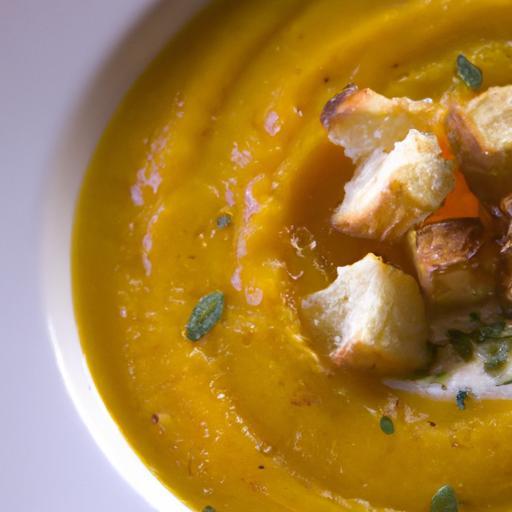
There’s a certain magic that happens when humble ingredients transform into a dish that warms both body and soul. Enter roasted butternut squash soup-a golden elixir that captures the essence of autumn’s bounty in every velvety spoonful. Beyond its vibrant color and naturally sweet undertones lies a craft honed by roasting, blending, and seasoning with precision. In this exploration of “Golden Comfort: The Art of Roasted Butternut Squash Soup,” we delve into the layers of flavor, technique, and tradition that elevate this simple squash into a culinary masterpiece. Join us as we uncover how roasting unlocks deep,caramelized notes,and how thoughtful ingredients come together to create more than just a soup-a comforting ritual steeped in artistry and heart.
The Journey from Farm to Table Selecting the Perfect Butternut Squash for Optimal Flavor Unveiling the Secrets Behind the Perfect Roast Balancing Spices and Creaminess for a Soulful Sip
Golden Comfort: Selecting and preparing Butternut Squash for the Perfect Roast
Golden Comfort begins the moment you choose the perfect butternut squash. Selecting ripe, vibrant squash sets the foundation for a soup that feels like a warm embrace on a chilly day. Imagine walking through a bustling farmers’ market-each squash telling a story of sun-soaked fields and patient growth. the best butternut squash has a deep, matte tan skin with no bruises or soft spots, and it feels heavy for its size, signaling dense, sweet flesh inside.
When you bring that squash home, the magic starts with roasting. Roasting caramelizes the natural sugars, unlocking a deep, nutty sweetness that plain boiling coudl never achieve. The skin crisps at the edges, and the flesh turns tender yet creamy-ready to transform into a velvety soup balanced perfectly between spice and silkiness. This layered flavor profile is what makes this dish a true Golden Comfort.
Prep and Cook Time
- Preparation: 15 minutes
- Roasting: 40 minutes
- Simmering and Blending: 20 minutes
- Total Time: 1 hour 15 minutes
Yield
Serves 6 generous bowls
Difficulty Level
Intermediate – approachable for confident home cooks ready to elevate their soup game
Ingredients
- 1 large butternut squash (about 3 lbs), peeled, seeded, and cut into 1-inch cubes
- 2 tablespoons olive oil, divided
- 1 medium yellow onion, diced
- 3 cloves garlic, minced
- 1 teaspoon ground cumin
- 1/2 teaspoon ground cinnamon
- 1/4 teaspoon smoked paprika
- 4 cups vegetable broth, preferably low sodium
- 1 cup canned coconut milk (full fat for creaminess)
- Salt and freshly ground black pepper, to taste
- Fresh thyme sprigs (optional, for garnish)
- Toasted pumpkin seeds (for garnish)
Instructions
- Preheat your oven to 425°F (220°C). Toss the cubed butternut squash with 1 tablespoon olive oil and a pinch of salt on a baking sheet. Spread out in a single layer to ensure even roasting.
- Roast the squash for 40 minutes, flipping halfway through.Watch for golden brown caramelization along the edges-the secret to deep flavor. Remove when tender and slightly crisped.
- While the squash roasts,heat the remaining olive oil in a large pot over medium heat. Add diced onion and sauté until translucent and soft, about 7 minutes. Stir occasionally to prevent sticking.
- Add minced garlic, ground cumin, cinnamon, and smoked paprika to the onions. Cook for 1-2 minutes until fragrant, stirring constantly to avoid burning the spices.
- Add the roasted squash to the pot, followed by the vegetable broth. Bring to a gentle simmer and cook uncovered for 15 minutes, allowing flavors to meld.
- Remove from heat and use an immersion blender to purée soup until silky smooth. Alternatively, carefully transfer soup in batches to a blender, then return to pot.
- Stir in the coconut milk and season with salt and pepper to taste. Warm gently over low heat-do not bring to a boil to prevent curdling the coconut milk.
- Ladle into warmed bowls and garnish with fresh thyme and toasted pumpkin seeds for a delightful crunch and herbal lift.
Tips for Success
- Choose butternut squash with firm skin that doesn’t yield to gentle pressure-overripe squash can become watery and dull in flavor.
- roasting is key. Resist the urge to boil the squash. The caramelized edges add complex sweetness and depth to your soup.
- Coconut milk enhances creaminess without overpowering the natural squash flavor. You can substitute with cashew cream for a nutty twist.
- Adjust spices to taste. If you prefer a warming heat, add a pinch of cayenne or fresh ginger during sautéing.
- This soup freezes beautifully. Store leftovers in airtight containers for up to 3 months. Thaw and reheat gently.
Serving Suggestions
Serve the soup steaming hot in rustic bowls that invite cozy gatherings. A swirl of coconut cream on top adds an elegant touch,while toasted pumpkin seeds provide a satisfying texture contrast. Pair with crusty artisan bread or a shining arugula salad to balance the soup’s cozy richness. For a final flourish, sprinkle with fresh thyme or a few chili flakes to awaken the senses with each soulful sip.

| Nutrient | Per Serving |
|---|---|
| calories | 180 kcal |
| Protein | 3 g |
| Carbohydrates | 28 g |
| Fat | 7 g |
For more inspiring fall soup recipes, explore our Creamy Roasted Carrot Soup that brings similar warmth with a carrot twist.To deepen your understanding of butternut squash’s nutritional benefits and culinary versatility, visit the USDA’s vegetable guide.
Q&A
Q&A: Golden Comfort – The Art of Roasted Butternut Squash Soup
Q1: What makes roasted butternut squash soup different from its boiled counterpart?
A1: Roasting the butternut squash caramelizes its natural sugars, unlocking deeper, richer flavors with a subtle hint of smokiness. This process enhances the soup’s golden warmth and adds a complex sweetness that boiling simply cannot achieve. The result is a velvety, more aromatic bowl of comfort.
Q2: How do I choose the perfect butternut squash for roasting?
A2: Look for a squash with a firm, dense feel and a matte, unblemished skin. Heavier butternut squash tend to be juicier and sweeter. A smaller to medium size is frequently enough sweeter and less watery than a larger one. Avoid any with soft spots or mold, as these can affect flavor and texture.
Q3: What is the ideal roasting technique to bring out the best flavor in butternut squash?
A3: Cut the squash into uniform cubes or halves, toss lightly with olive oil, salt, and a pinch of warming spices like cinnamon or nutmeg if you wish. Roast at a high temperature-around 400°F (200°C)-until the edges are golden brown and caramelized, usually 25-35 minutes. This enhances sweetness and adds depth.
Q4: Can I make this soup creamy without using dairy?
A4: Absolutely. Coconut milk,cashew cream,or even pureed roasted cauliflower are splendid dairy-free options that add luscious creaminess without overshadowing the squash’s natural flavor. Additionally, simmering the soup with a medley of aromatic vegetables and blending until silky creates that satisfying texture.
Q5: What spices and herbs best complement roasted butternut squash soup?
A5: The beauty of butternut squash lies in its versatility.Warm spices like cinnamon, nutmeg, smoked paprika, and ginger elevate its sweetness. Fresh herbs such as sage,thyme,or rosemary offer earthy,savory notes that perfectly balance the richness. A hint of freshly ground black pepper brightens the finish.
Q6: How can I enhance the texture and presentation of my roasted butternut squash soup?
A6: For texture,consider garnishing with toasted pumpkin seeds or a sprinkle of toasted coconut flakes for some crunch. A swirl of herb oil or a dollop of nut-based cream lifts the presentation and adds contrasting color. Drizzling a little fresh lemon juice just before serving can also brighten flavors and provide a lively finish.
Q7: Is roasted butternut squash soup suitable for making ahead and freezing?
A7: Yes! This soup freezes beautifully. Cool it wholly before transferring to airtight containers. When reheating, thaw slowly in the refrigerator and warm gently on the stove, stirring occasionally. Sometimes the consistency thickens after freezing; simply add a splash of vegetable broth or plant-based milk to restore its silky texture.
Q8: What are some creative twists I can try to personalize my roasted butternut squash soup?
A8: Experiment with adding roasted carrots or sweet potatoes for extra depth. Infuse the broth with ginger and lemongrass for a bright, fragrant flair. For a fragrant spice blend, try a pinch of cumin and coriander. Alternatively, swirl in a spoonful of spicy harissa or drizzle with a balsamic reduction to marry sweet and spicy complexity.
Q9: How importent is the choice of broth in this soup?
A9: The broth acts as the flavor canvas. A well-crafted vegetable broth with notes of onion, garlic, and fresh herbs will complement rather than overpower the squash. Avoid broths that are strongly salty or overly acidic; the goal is to keep the soup balanced and comforting.
Q10: What makes roasted butternut squash soup the embodiment of “golden comfort”?
A10: Beyond its radiant golden hue, this soup captures the essence of cozy nourishment-its velvety texture envelops you like a warm hug, while its rich, roasted flavors evoke autumn’s burnt-gold afternoons. Each spoonful is a celebration of simplicity elevated to art,a tasty reminder that comfort food can be both wholesome and sublime.
The Way Forward
As the final swirl of roasted butternut squash soup warms your bowl, you’re reminded that this humble dish is more than just nourishment-it’s a celebration of autumn’s golden harvest and the alchemy of simple ingredients transformed by fire and time. Mastering the art of roasting brings out a depth of flavor that turns each spoonful into a comforting embrace, inviting you to savor not just the soup, but the story behind it. Whether served as a cozy solo treat or the crowning touch to a festive feast, this golden elixir promises a timeless experience, where culinary craft meets soulful comfort in every velvety bite. So next time you carve into a butternut squash, remember: beneath that vibrant, roasted exterior lies a pot of pure, golden comfort waiting to be discovered.