

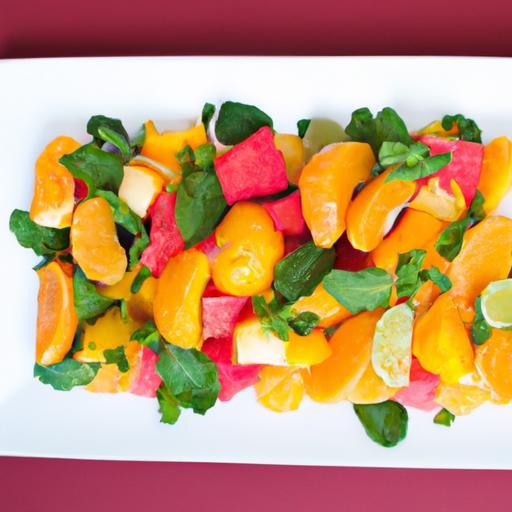
There’s nothing quite like the vibrant crunch of freshly picked fruit-bursting with color, flavor, and nutrients. Yet,all too frequently enough,that crisp freshness fades away long before the week is over,leaving us with wilted slices and wasted potential. What if you could unlock simple, smart strategies to keep your fruit fresh and flavorful throughout your busy week? In this guide, we reveal clever meal prep tips designed to extend the life of your fruit, ensuring every bite tastes like it was picked just moments ago. Get ready to transform your weekly routine and savor freshness that lasts!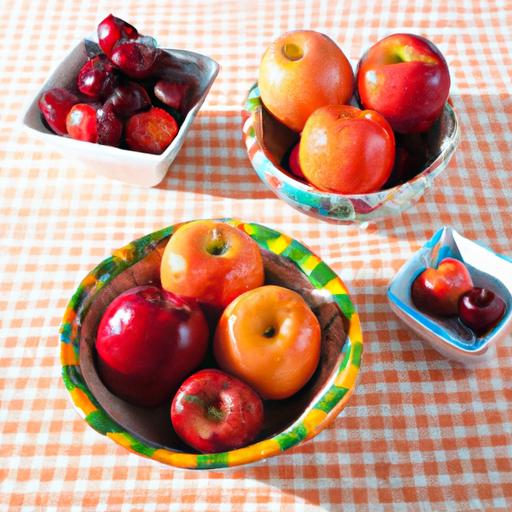
Understanding Fruit Ripening Stages for Optimal storage
boost fruit freshness by mastering the subtle yet captivating stages of fruit ripening.Understanding these phases is key to locking in flavor, texture, and nutrients, ensuring every bite tastes as vibrant as the day it was picked.From the firm,green beginnings to the luscious,fully ripe crescendo,fruits undergo a remarkable conversion that affects how you should store and enjoy them.
Take avocados, for example-they start hard to the touch and gradually soften over days at room temperature, signaling their peak creaminess. By knowing when a fruit is in its early ripening or peak ripeness stage, you can strategically plan your weekly meal prep to maximize freshness and minimize waste. This knowledge empowers you to select fruits that match your cooking schedule, whether you want crisp apples for a fresh salad today or honeyed peaches ready to blend into smoothies later in the week.
Prep and Cook Time
- Planning: 5 minutes
- Cooking/Processing: N/A (focus is on storage and ripening management)
- Total time: Ongoing, varies by fruit and ripening stage
yield
- Helpful guide for managing and preserving multiple fruit servings across your meal prep week
Difficulty Level
- Easy – perfect for all home cooks looking to extend fruit shelf life and flavor
Ingredients
- Variety of fruits: apples, bananas, avocados, peaches, and berries (quantity based on weekly needs)
- Storage containers: breathable produce bags, airtight containers, or paper towels
- Optional: ethylene gas absorbers, refrigerator crisper drawer
Instructions
- Identify the ripening stage: Feel and observe your fruit - firm with little give indicates unripe; slight softness and aroma signals ripening; very soft with a sweet scent means peak ripeness.
- Sort accordingly: Separate fruits by ripeness to control ethylene gas exposure,wich accelerates ripening. Keep ripe fruits away from unripe to prolong shelf life.
- Choose the right storage: Store unripe fruits at room temperature-like bananas or peaches-on a countertop or in a fruit bowl. Keep ripe fruits in the refrigerator’s crisper drawer to slow down further ripening.
- Use breathable packaging: Place fruits like berries in a vented container lined with paper towels to absorb moisture, preventing mold.
- Employ ethylene gas absorbers: Utilize natural items like activated charcoal packets or purchase commercial ethylene gas absorbers to extend freshness.
- Check daily: Monitor your fruit, removing any overly ripe or spoiling pieces promptly to prevent spreading.
Tips for Success
- Variety matters: Different fruits produce and react to ethylene uniquely; bananas emit high amounts, while strawberries are sensitive and spoil quickly around ethylene.
- Pause ripening: To delay ripening for fruits like avocados,place them in the refrigerator once they reach your preferred softness.
- Enhance ripening: Speed up by placing unripe fruit in a paper bag with a ripe banana, concentrating ethylene gas around the fruit.
- Keep humidity balanced: too much moisture causes rot; line containers with paper towels to keep fruit dry yet fresh.
- Plan your usage: Align your meal prep with fruit ripening stages; consume softer, riper fruits earlier in the week and reserve firmer ones for later.
Serving Suggestions
Once your fruits are perfectly ripened and stored, enjoy their full intensity in a variety of ways. Freshly ripe peaches make a stunning topping for morning oats or yogurt, garnished with a sprinkle of cinnamon and sliced almonds.Crisp apples stay delightful in salads with tangy goat cheese and toasted walnuts. For softer fruits like ripe bananas and avocados, blend them into creamy smoothies or mash for spreads and dressings enhanced with a squeeze of fresh lemon.
Presentation matters: serve fruits sliced and arranged on rustic wooden boards or in brightly colored ceramic bowls. Adding fresh mint leaves or edible flowers can elevate the offering, making it both inviting and visually appealing.

| Fruit | Ripening Stage | Ideal Storage | Approx. Shelf Life |
|---|---|---|---|
| Avocado | Firm to Slightly Soft | Room temperature untill soft | 3-5 days |
| Banana | Green to Yellow | Room temperature | 4-7 days |
| Apple | Firm, fully colored | Refrigerator crisper | 3-4 weeks |
| Peach | Slightly soft, fragrant | Room temperature then fridge | 5-7 days |
For further insights into preserving freshness and food safety, consider exploring the FDA’s food storage guidelines.
Ready to upgrade your kitchen routine? Check out our detailed guide on Smart Ways to Prep Weekly Fruits & Vegetables for more tips to boost fruit freshness and flavor throughout your meal prep week.
Choosing the Right Containers to Maximize Freshness
Boost fruit freshness begins with selecting containers that protect your vibrant,juicy produce from premature spoilage. Choosing the right containers is an often overlooked but essential step when preparing fruits for weekly meal prep. Imagine crisp berries and luscious sliced melons staying vibrant and ready to enjoy all week-this magic starts with smart storage choices tailored to different fruit types. From breathable options that allow gases to escape to airtight seals that lock in moisture, the container you choose can profoundly affect how fresh your fruit remains.
Prep and Cook Time
- Preparation Time: 10 minutes
- Storage Time: Up to 7 days depending on fruit
Yield
- Ideal for 1-4 servings of prepped fruit
difficulty Level
- Easy – Perfect for beginners and seasoned meal preppers alike
Essential Containers and Their Benefits
- Glass containers with airtight lids: Best for sliced fruits like apples, melons, and stone fruits.They help prevent moisture loss and slow oxidation.
- Vented plastic containers: Ideal for berries and delicate fruits, as the vents provide airflow that discourages mold growth.
- Produce storage bags with breathable membranes: Perfect for leafy fruits such as grapes and cherries, balancing humidity to extend crispness.
- Silicone food savers: Flexibility and airtight quality make these excellent for halve citrus or pre-cut kiwi, locking freshness inside.
Instructions for Maximizing Freshness with Containers
- Clean and dry all containers thoroughly before use. Residual moisture can accelerate spoilage.
- Choose containers based on fruit type: For wet or juicy fruits like melons, use airtight glass containers to lock in moisture; for berries, opt for vented containers to allow air circulation.
- Line containers with paper towels to absorb excess moisture without drying out fruit; this is especially helpful for berries and grapes.
- fill containers but avoid overpacking. Crowding fruits can bruise delicate textures, leading to faster degradation.
- Store the containers in the refrigerator in the crisper drawer, which helps maintain optimal humidity for fruit preservation.
- Reseal containers tightly after each use to maintain an oxygen-restricted environment,critical for slashing browning and spoilage.
- Label containers with the prep date, so you can easily track freshness and enjoy fruits at their peak.
Chef’s Notes
- Extra tip: For apples and pears, sprinkle a light mist of lemon juice before storing to further prevent browning inside airtight containers.
- Substitution: If you don’t have glass, BPA-free hard plastic containers with tight seals are a good option but avoid flimsy bags unless specifically designed for produce.
- Troubleshooting: If you notice condensation inside your container, open it briefly to air out and replace the paper towel lining to keep fruit dry.
- Make-ahead: Pre-slice and store fruits in individual portions within containers to speed up your grab-and-go routine during busy mornings.
Serving Suggestions
Present your fresh prepped fruit in clear glass containers to showcase their vibrant colors-an irresistible invitation at any time of day. Garnish slices of melon or citrus with a sprinkle of fresh mint leaves or a dash of chili powder and lime for a flavorful twist just before serving. For berries, toss lightly with a squeeze of fresh orange or lemon juice to enhance natural sweetness, then serve over your favorite morning yogurt or oatmeal.

| Container Type | Best For | Key Benefit |
|---|---|---|
| Glass airtight jars | Sliced melons, apples, stone fruits | Locks moisture, slows oxidation |
| Vented plastic boxes | Berries, cherries | Allows airflow, prevents mold |
| Breathable produce bags | Grapes, leafy fruits | Balances humidity, retains crispness |
For further tips on extending the life of fresh produce, check out our Ultimate Guide to Vegetable Storage. Scientifically backed information on fruit respiration and storage can be explored at USDA Food and Nutrition Resources.
Innovative weekly Prep Techniques to Preserve Flavor and Texture
Boost Fruit freshness with innovative prep techniques that guard the vibrant flavors and delightful textures of your weekly fruit stash. Imagine opening your fridge each morning to crisp berries, succulent melon slices, and perfectly firm apples that taste just-picked, day after day. Beyond just storing fruit, the secret lies in how you prepare and package it, transforming your weekly meal prep into a sensory delight.
Prep and cook Time
Prep Time: 30 minutes
Cook Time: N/A (cold prep for optimal freshness)
Yield
Serves: 4 (fruit portions for weekly use)
Difficulty Level
Easy – No cooking required, perfect for busy lifestyles
Ingredients
- 3 cups mixed berries (strawberries sliced, blueberries, raspberries)
- 2 large apples, sliced thin and tossed in lemon juice
- 1 medium melon, cubed (honeydew or cantaloupe)
- 1 tbsp fresh lemon juice (to prevent browning)
- 1 tsp pure vanilla extract (optional, for aroma and subtle sweetness)
- 1 cup plain Greek yogurt (for dipping or layering)
- Fresh mint leaves (for garnish)
- Reusable glass containers with airtight lids
Instructions
- Rinse all fruit gently under cold water. Pat dry with a clean kitchen towel to remove excess moisture, as moisture speeds spoilage.
- Prepare apples promptly by slicing thinly and tossing with 1 tablespoon of lemon juice to prevent browning and maintain texture.
- Layer fruits smartly inside reusable glass containers. Start with the sturdier fruits like melon cubes at the bottom, followed by sliced apples, and top with delicate berries.
- For extra flavor longevity, velvet berries lightly with a mixture of vanilla extract and lemon juice. This subtle bath enhances aroma while keeping freshness intact.
- If including yogurt,portion it in a separate small container or layer a thick spoonful in the fruit container’s corner,preventing sogginess.
- Seal containers tightly to minimize oxygen exposure and place in the coldest part of the refrigerator (usually the back lower shelf).
- Throughout the week, gently shake or stir containers to redistribute moisture, but avoid crushing fruits.
Tips for Success
- Choose ripe but firm fruit: Overripe fruits will spoil faster, so opt for those yet to fully soften.
- Use airtight containers: Reduction in oxygen preserves flavor and keeps textures crisp longer.
- For melon prep, pat down excess juice before storing to reduce sogginess and improve shelf life.
- Prevent condensation: allow fruit to come to refrigerator temp before sealing.
- Freeze portions of berries: These can be thawed gradually to juiciness, adding variety to your prep routine.
- Try expert prep ideas for extended freshness and flavor balance.
Serving Suggestions
Enjoy your prepped fruit bowls solo for a refreshing snack or use them to top oatmeal, smoothies, or morning pancakes. Garnish with fresh mint leaves and a light sprinkle of cinnamon or toasted coconut flakes for visual appeal and added depth. Pair with a dollop of plain Greek yogurt to enrich texture contrast. Perfect for breakfast or midday nourishment, these colorful fruit arrangements inspire both vitality and joy in every bite.

| Nutrient | Per Serving |
|---|---|
| Calories | 120 |
| Protein | 5g |
| Carbohydrates | 25g |
| Fat | 0.5g |
For a deeper dive into fruit preservation and kitchen prowess, check our comprehensive fruit storage guide to keep your produce fresher, longer.
Smart Storage Environments Tailored for Different Fruit Varieties
Boost Fruit Freshness starts with understanding that each fruit variety thrives under distinct storage environments tailored to their unique physiology. Knowing were and how to store your fruits prevents premature spoilage, enhances their natural sweetness, and ensures every bite bursts with crispness and flavor. Imagine plucking a perfectly firm apple from your fridge, or savoring ripe berries harvested days ago with no hint of mushiness-that’s the power of smart storage in weekly meal prep.
Prep and Cook Time
- Prep time: 10 minutes (sorting and setting up storage)
- Cook Time: Not applicable – storage-focused technique
Yield
Optimizes freshness for up to 7 days for multiple fruit varieties, serving the needs of 2-4 people depending on consumption habits.
Difficulty level
Easy – Anyone can master these simple, effective tips with minimal effort.
Ingredients
- Firm Apples (e.g., Honeycrisp, Granny Smith): 4 medium-sized
- Bananas: 3 ripe, but not overripe
- Berries (strawberries, blueberries, raspberries): 2 cups, fresh
- citrus fruits (oranges, lemons): 3 medium-sized
- Kiwis: 4 medium
- Perforated plastic bags or reusable produce bags
- Paper towels or clean kitchen towels
- Glass or BPA-free plastic containers with lids
Instructions
- Sort and Inspect: Begin by inspecting all fruits for bruises or signs of overripeness. Remove any damaged fruit immediately to prevent ethylene gas from accelerating spoilage in neighboring fruits.
- Apple Storage: wrap each firm apple individually in a paper towel to absorb moisture and place them in a perforated plastic bag. Store in the fridge’s crisper drawer for up to 4 weeks. This method reduces condensation while maintaining crispness.
- Bananas: Keep bananas at room temperature on a countertop, away from direct sunlight and away from other fruits that emit ethylene (like apples). To slow ripening, separate each banana from the bunch or wrap the stems in plastic wrap.
- Berries: Line glass or BPA-free containers with paper towels, then carefully arrange the berries in a single layer. Cover loosely with a lid or breathable cloth to avoid moisture buildup. store in the fridge and wash just before eating to prevent mold.
- Citrus Fruits: store whole citrus fruits at room temperature in a bowl or mesh basket for up to 1 week for ideal juiciness. For longer storage, place them in the fridge’s crisper with perforated bags.
- Kiwis: Store unripe kiwis at room temperature to allow ripening. Once ripe, transfer to the fridge in a sealed container or bag for up to 1 week to maintain texture and sweetness.
- Monitor and Rotate: Check stored fruits every couple of days, removing any signs of spoilage promptly. Rotate older fruit to the front for quicker use and maintain freshness consistently.
Tips for Success: Boost Fruit Freshness with These Pro Tricks
- Separate ethylene producers like apples and bananas from ethylene-sensitive fruits such as berries to slow spoilage.
- Use breathable storage solutions like perforated bags or cloth covers to balance moisture and airflow.
- Always wash fruits just before use to avoid excess moisture causing mold and decay.
- Line containers with paper towels where possible to absorb condensation and extend crispness.
- Keep cold and room temperature fruits apart to maintain ideal storage environments tailored to each variety.
Serving Suggestions
After mastering boost fruit freshness through proper storage, present your fruits beautifully for maximum enjoyment.Create vibrant fruit bowls layered with ruby-red strawberries, glossy blueberries, and sun-kissed orange slices. Garnish with a sprig of fresh mint or a light drizzle of honey for added sparkle. For simple snacks, serve chilled apple wedges with almond butter or banana slices sprinkled with cinnamon.These effortless touches elevate everyday fruit into a gourmet treat, perfect for quick breakfasts, post-workout fuel, or healthy dessert.

| Fruit Variety | Ideal Storage Temp | Storage duration | Key Storage Tip |
|---|---|---|---|
| Firm Apples | 32-40°F (0-4°C) | 3-4 weeks | Wrap individually & use perforated bags |
| Bananas | 68-72°F (20-22°C) | 3-7 days (room temp) | Avoid refrigeration; wrap stems |
| Berries | 38-42°F (3-6°C) | 3-5 days | Single layer on paper towel, wash last |
| Citrus Fruits | 45-55°F (7-13°C) | 1-2 weeks | Room temp or fridge in ventilated bags |
| kiwis | 60-68°F (16-20°C) unripe, 32-40°F (0-4°C) ripe | 1 week (ripe) | Ripen at room temp, then refrigerate |
For a deeper dive into fresh produce storage and meal prep ideas, check out our Weekly Fruit Prep Guide. Also, visit USDA’s official guide for expert tips on fruit preservation.
Q&A
Q&A: Boost Fruit Freshness – Smart Weekly Meal Prep Tips revealed
Q1: Why is fruit freshness so vital when meal prepping for the week?
A: Fresh fruit not only tastes better but also packs more nutrients. When fruits stay fresh longer, you minimize waste and save money while enjoying vibrant flavors and textures throughout the week. Keeping fruits fresh also encourages healthier snacking and cooking habits.
Q2: What is the biggest challenge in keeping fruit fresh during meal prep?
A: The biggest challenge is moisture and exposure to air, which speed up spoilage. Fruits like berries and cut apples brown and soften quickly if not stored properly. Temperature fluctuations and improper packaging can also accelerate decay.
Q3: Can you share some quick hacks to extend the shelf life of fruits during weekly meal prep?
A: Absolutely! First, always start with washing fruits only right before eating or cooking to avoid excess moisture. Store whole fruits like apples and pears separately from berries; the latter prefer a dry, well-ventilated container lined with paper towels. for cut fruits, a splash of citrus juice like lemon or lime slows oxidation and browning. Using airtight containers or glass jars also seals in freshness. Lastly, keep ethylene-producing fruits (like bananas) away from sensitive fruits like grapes or strawberries.
Q4: How does meal prepping with fruit save time without sacrificing quality?
A: Pre-portioning fruit into grab-and-go containers makes snack choices effortless. For example, prepping smoothie bags with frozen berries, bananas, and spinach reduces morning prep while maintaining peak freshness. Cutting and storing fruit ahead saves prep time during meals but using proper storage methods ensures you don’t lose that fresh-picked taste.
Q5: Are there any underrated fruits that work especially well for weekly prepping?
A: yes! Kiwis, grapes, and citrus fruits such as mandarins shine in meal prep. They have naturally longer shelf lives and don’t bruise easily, making them perfect for quick snacks or additions to salads and bowls. Frozen fruit like mango chunks are also game-changers sence you can thaw just the amount you need without waste.
Q6: How can refrigeration be optimized for fruit storage?
A: Use the crisper drawer wisely by setting humidity levels-higher humidity for leafy fruits like berries,lower for apples and pears.Avoid washing fruit before refrigeration, and separate ethylene producers from those sensitive to it to prevent premature ripening. placing fruits in breathable bags or containers also helps balance moisture and airflow.
Q7: What role do antioxidants play in fruit preservation during meal prep?
A: Antioxidants slow down the oxidation process, which causes browning and nutrient degradation. Applying a little lemon or lime juice to cut fruit infuses natural antioxidants that keep colors vibrant and textures firm. Adding antioxidant-rich ingredients to fruit dishes can also boost shelf life subtly.
Q8: Any creative tips for incorporating prepped fruit into meals throughout the week?
A: Get playful! Toss prepped fruit into grain bowls, mix with cottage cheese or yogurt for a refreshing snack, or blend into homemade dressings and sauces. Frozen chopped fruit can be an instant dessert when warmed or blended into smoothies. Variety is the key-rotate your fruit combos to keep flavors exciting while maximizing freshness.
Keep these smart tips in your meal prep toolkit and watch your fruits stay lively and delicious, making every bite feel freshly picked-even days later!
key Takeaways
As you set forth on your meal prep journey, remember that preserving fruit freshness isn’t just about extending shelf life-it’s about savoring vibrant flavors and nourishing your body with nature’s sweetest gifts. With these smart weekly tips in your arsenal,you’ll transform your kitchen into a hub of freshness,turning every bite into a crisp,juicy celebration. So, embrace the art of mindful prepping, and let your fruits stay as fresh as your culinary creativity all week long!