


Long before tempeh found its way onto modern menus as a celebrated plant-based protein, it carried a story rich with history and tradition. Nestled within the lush landscapes of southeast Asia, this humble fermented soybean cake has journeyed through centuries, quietly nurturing communities and evolving alongside cultures. ”Tempeh Through Time: uncovering Its Ancient Origins” invites you to peel back the layers of this culinary treasure, tracing its roots from ancient agricultural practices to the vibrant staple it remains today. Join us as we explore how tempeh’s ancient beginnings reveal not only a food’s evolution but also the enduring human ingenuity behind fermentation.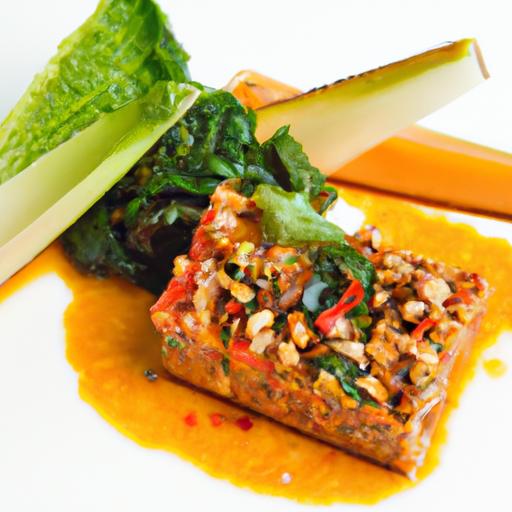
Tracing tempeh’s Journey From Ancient Roots to Modern tables
Tempeh through time has gracefully transitioned from its ancient Southeast Asian roots to a celebrated centerpiece on contemporary tables worldwide. this fermented soybean marvel boasts a rich history intertwined with tradition and nutrition, but what truly makes tempeh special is its versatility and depth of flavor. From sun-dappled Indonesian villages to your modern kitchen, it invites creativity and wholesome nourishment into your meals.
Prep and Cook Time
- Preparation: 15 minutes
- Cooking: 20 minutes
- Total Time: 35 minutes
Yield
Serves 4 generously
Difficulty Level
Easy to Medium – perfect for home cooks eager to explore plant-based delights
Ingredients
- 8 ounces fresh tempeh, cut into ½-inch cubes
- 2 tablespoons toasted sesame oil
- 3 cloves garlic, minced
- 1 tablespoon freshly grated ginger
- 3 tablespoons tamari or soy sauce (gluten-free if desired)
- 1 tablespoon maple syrup or agave nectar
- 1 teaspoon smoked paprika
- 1 teaspoon chili flakes (optional for heat)
- 2 green onions, thinly sliced for garnish
- 1 tablespoon toasted sesame seeds
- Fresh cilantro, roughly chopped (optional garnish)
Instructions
- Press the tempeh: if your tempeh is packed tightly, wrap it in a clean kitchen towel and press gently to remove excess moisture – this helps with browning.
- Prepare the marinade: In a bowl, whisk together the tamari, maple syrup, minced garlic, grated ginger, smoked paprika, and chili flakes if using.
- Marinate the tempeh: Add the tempeh cubes to the marinade and toss until evenly coated. Let it sit for at least 10 minutes to soak up the flavors.
- Heat the skillet: Warm the toasted sesame oil in a large non-stick skillet over medium heat until shimmering.
- sauté the tempeh: Add the marinated tempeh cubes carefully. Sauté until golden brown on all sides, about 12-15 minutes, turning gently with a spatula. This caramelization is key to unlocking tempeh’s nutty essence.
- Reduce sauce: If there’s leftover marinade, pour it in during the last 3 minutes of cooking, letting it thicken slightly to glaze the tempeh beautifully.
- Plate and garnish: Transfer cooked tempeh to a serving dish. Sprinkle with sliced green onions, toasted sesame seeds, and fresh cilantro for a burst of color and flavor.
Tips for Success
- batch prep: This tempeh keeps well in the fridge for up to 3 days, making it perfect for meal prep or speedy lunches.
- Texture variation: For a firmer bite, steam the tempeh for 10 minutes before marinating. This also removes any bitterness.
- Customize flavors: Swap the maple syrup for a touch of brown sugar or coconut nectar. Add freshly squeezed lime juice after cooking for a citrusy pop.
- Cooking advice: Avoid overcrowding the pan to ensure even browning; cook in batches if needed.
- Substitution note: If you can’t find fresh tempeh, refrigerated vacuum-packed tempeh works well. Just pat dry before marinating.
Serving Suggestions
This rich, golden tempeh shines best served over fluffy jasmine rice or nestled beside quinoa tossed with crunchy snap peas and shredded carrots. Drizzle with a spoonful of spicy peanut sauce or a cooling coconut-cilantro yogurt for contrast. Garnish with lime wedges to add zesty brightness that complements the earthy fermented flavors. For a casual meal, tuck these cubes into a wrap with crisp greens and pickled veggies – a fusion feast that honors tempeh’s ancient heritage with every bite.

| Nutrient | Per Serving |
|---|---|
| calories | 230 |
| Protein | 15g |
| Carbohydrates | 10g |
| Fat | 14g |
Discover more plant-powered recipes in our Plant-Based Delights collection and dive deeper into tempeh’s engaging history with this insightful Britannica overview.
unlocking the Traditional Techniques That Shaped Tempeh’s Unique Flavor
reveals a fascinating journey from ancient Indonesian kitchens into the heart of contemporary cooking.Tempeh, with its firm texture and nutty aroma, carries layers of history where fermentation transforms humble soybeans into a source of protein prized for both taste and nutrition. My first encounter with homemade tempeh was nothing short of revelatory-its earthy flavor and subtle tang brought a depth missing from store-bought varieties, inspiring me to dive deeper into the artisanal process that defines this staple. Through mastering these time-honored methods, you too can invite authenticity and complexity into your kitchen, celebrating both the past and present in every bite.
prep and Cook Time
- Preparation Time: 45 minutes (plus 1-2 hours soaking and 24-36 hours fermentation)
- Cook Time: 15 minutes (for final cooking)
Yield
Yields approximately 400 grams (14 ounces) of fresh tempeh, serving 4 as a protein-centric component.
Difficulty Level
Medium – requires patience and attention during fermentation but highly rewarding.
Ingredients
- 2 cups whole soybeans, dried
- 1 tablespoon white vinegar
- 1 teaspoon tempeh starter (Rhizopus spores)
- 1 teaspoon salt
- Banana leaves or perforated plastic bags for wrapping
instructions
- Soak and Hull the Soybeans: Rinse the soybeans thoroughly, then soak in cold water for 12-16 hours.Drain and rub beans between your hands to remove the hulls, then rinse repeatedly to separate hulls from beans. this step ensures a smoother tempeh texture.
- Cook the Beans: Place the hulled soybeans in a large pot and cover with fresh water. Bring to a boil, then simmer gently for 30-40 minutes until the beans are tender but not mushy. Drain thoroughly and spread the beans on a clean towel to steam dry-moisture content is key to proper fermentation.
- Prepare the Beans for Fermentation: Transfer the cooled beans to a large bowl. Add vinegar and salt, stirring gently.The vinegar lowers pH to favor beneficial mold growth and helps inhibit unwanted bacteria.
- Inoculate with Tempeh Starter: Sprinkle the tempeh starter evenly over the beans and mix thoroughly but gently to coat all beans.
- Wrap and Incubate: Spread the inoculated beans into perforated banana leaves or plastic bags lined with small holes for air circulation, forming a flat layer approximately 1 inch thick. Place the wrapped tempeh in a warm,humid environment around 85°F (29°C) for 24-36 hours. Check after 24 hours-white mycelium should blanket the beans, binding them into a solid cake.
- Final Cooking: Once fermentation is complete, slice the tempeh and sauté in a hot skillet with a drizzle of oil. Cook until golden brown and crispy on all sides-about 5-7 minutes per batch. This unlocks its toasty flavor and firm, chewy texture.
Chef’s Notes & Tips for Success
- temperature Control: Maintaining a consistent incubation temperature is vital; use a yogurt maker, heating pad, or warm oven to foster optimal mold growth without overheating.
- Moisture Balance: Excess moisture can lead to bacterial contamination and mushy tempeh. Dry your cooked soybeans well before adding the starter.
- Starter Quantity: Using too much starter can speed mold growth but may produce off-flavors. Stick to about 1 teaspoon per 2 cups of soybeans for balance.
- Alternative Wrapping: Banana leaves impart a subtle fragrance but if unavailable, perforated food-grade plastic bags work well to allow airflow.
- Storage: Fresh tempeh can be refrigerated up to a week or frozen for several months. Thaw before use and cook thoroughly.
Serving Suggestions
Tempeh is incredibly versatile-serve it sliced and crispy over a bed of sautéed greens, tossed into a warm noodle bowl, or glistened with a sticky tamarind glaze for a bold contrast. Garnish with fresh cilantro, toasted sesame seeds, or thinly sliced scallions to enhance both flavor and presentation. for a tropical touch, pair tempeh with fresh pineapple salsa or a zesty peanut dipping sauce. Its nutty, umami-packed profile invites creative pairings across cuisines.

| Nutrient | Per 100g |
|---|---|
| Calories | 190 kcal |
| Protein | 19 g |
| Carbohydrates | 9 g |
| Fat | 11 g |
For complementary insights on fermentation and plant-based protein, check out our Comprehensive Guide to Fermented Foods.To deepen your knowledge on the scientific nuances of tempeh, visit this detailed research article from NCBI.
Exploring the Nutritional Benefits Hidden in Tempeh’s Ancient Recipe
Tempeh Through Time: Uncovering Its Ancient Origins unlocks the remarkable nutritional treasures of this fermented soybean delicacy, offering a powerhouse of plant-based protein, probiotics, and essential vitamins. With roots tracing back over a thousand years to Indonesia, tempeh is not only a staple of traditional cuisines but also a modern superfood that fuels both body and mind. As someone who first discovered tempeh through a youthful culinary experiment in my grandmother’s kitchen, I’ve grown enchanted by its nutty aroma, chewy texture, and transformative ability to elevate any dish from simple to sensational.
Prep and Cook Time
Preparation: 15 minutes
Cooking: 20 minutes
Total Time: 35 minutes
Yield
Serves 4
Difficulty level
Easy – perfect for beginners and seasoned cooks alike
Ingredients
- 1 block (8 oz) tempeh, cut into 1/2-inch cubes
- 2 tablespoons soy sauce (or tamari for gluten-free)
- 1 tablespoon fresh lemon juice
- 2 tablespoons olive oil or avocado oil
- 3 cloves garlic, minced
- 1 teaspoon smoked paprika
- 1/2 teaspoon ground turmeric
- Freshly ground black pepper, to taste
- 1 teaspoon toasted sesame seeds (optional, for garnish)
- Fresh cilantro or parsley leaves for finishing
Instructions
- Press the tempeh gently between paper towels to remove any excess moisture. This helps it absorb the marinade better.
- In a shallow bowl, combine soy sauce, lemon juice, minced garlic, smoked paprika, turmeric, and black pepper. whisk together until blended.
- Place the tempeh cubes in the marinade, tossing gently to coat evenly. Let it rest for at least 10 minutes-longer if possible for deeper flavor infusion.
- Heat the olive oil in a non-stick skillet over medium heat. Add the marinated tempeh cubes in a single layer.
- Sauté until golden brown on all sides, about 5 minutes per side, stirring occasionally to prevent sticking. This caramelization brings out tempeh’s natural nuttiness vividly.
- Remove from heat and transfer to a serving plate garnished with toasted sesame seeds and fresh herbs.
Tips for Success
- Marinate longer: For maximum flavor permeability, marinate your tempeh for 30 minutes or refrigerate overnight.
- Steam before cooking: If you prefer a softer interior,steam the tempeh for 10 minutes before marinating. This also reduces its natural bitterness.
- Substitutions: Swap olive oil with coconut oil for a tropical hint or add a pinch of chili flakes for warmth.
- Make-ahead: Cooked tempeh stays fresh in an airtight container for up to 4 days and reheats beautifully in a skillet or oven.
Serving Suggestions
serve this savory tempeh layered over fluffy jasmine rice or nestled atop a bed of steamed greens such as bok choy or kale. A drizzle of tahini sauce or a sprinkle of crushed peanuts adds delightful texture contrasts and richness. Pair with a crisp cucumber salad for refreshing balance or tuck into warm whole-wheat tortillas with fresh avocado and pickled onions for a satisfying wrap.

| Nutrient | Amount per Serving |
|---|---|
| Calories | 210 kcal |
| Protein | 19 g |
| Carbohydrates | 9 g |
| fat | 11 g |
For further inspiration on nutrient-rich plant-based dishes, explore our Plant-Based Protein Powerhouses article. To delve deeper into the fermentation science behind tempeh’s health advantages, visit this authoritative overview at The Spruce Eats.
Incorporating Tempeh into Contemporary Diets for Health and Sustainability
Tempeh through time is not only a culinary treasure but also a powerhouse ingredient for modern wellness and eco-conscious eating. Embracing tempeh in your daily meals invites a rich, nutty flavor and satisfying texture while honoring a legacy of sustainable plant-based nutrition. This versatile soy product,fermented and packed with probiotics,offers a protein-rich alternative that supports gut health while reducing environmental impact compared to animal proteins.
Inspired by these benefits, I’m excited to share a recipe that transforms tempeh into a vibrant, accessible dish perfect for any kitchen-whether you’re a seasoned vegan or simply exploring more sustainable options.
Prep and Cook Time
- prep time: 15 minutes
- Cook Time: 20 minutes
- Total Time: 35 minutes
Yield
Serves 4
Difficulty Level
Easy
Ingredients
- 1 block (8 oz) tempeh, sliced into 1/4-inch thick strips
- 2 tbsp tamari or soy sauce
- 1 tbsp maple syrup or agave nectar
- 1 tbsp toasted sesame oil
- 2 cloves garlic, minced
- 1 tsp freshly grated ginger
- 1 tbsp rice vinegar
- 1/2 tsp smoked paprika
- 1/4 tsp red pepper flakes (optional)
- 1 tbsp neutral oil (e.g., avocado or grapeseed) for sautéing
- 2 spring onions, thinly sliced for garnish
- 1 tbsp toasted sesame seeds
- Fresh cilantro or parsley for garnish (optional)
Instructions
- Marinate the tempeh: In a shallow dish, whisk together tamari, maple syrup, sesame oil, garlic, ginger, rice vinegar, smoked paprika, and red pepper flakes. Add the tempeh strips, turning to coat evenly. Let marinate for at least 10 minutes to absorb the bold flavors.
- preheat your skillet: Heat the neutral oil over medium heat until shimmering but not smoking. This will ensure stunning caramelization without burning.
- Sauté the tempeh: Place the marinated tempeh strips in a single layer. Cook undisturbed for 3-4 minutes until the underside is golden and crisp. Flip and cook the other side for another 3-4 minutes. Stir gently if necessary to prevent sticking.
- Add extra marinade: Pour any remaining marinade over the tempeh, allowing it to bubble and thicken slightly-this creates a luscious glaze coating every piece.
- Finish and garnish: Remove from heat. Transfer the tempeh onto a serving plate. Sprinkle with spring onions, toasted sesame seeds, and fresh herbs for a burst of color and freshness.
Tips for Success
- For a firmer texture, steam the tempeh for 10 minutes before marinating. This reduces its natural bitterness.
- Swap the tamari for coconut aminos if you prefer a soy-free option with a slightly sweeter nuance.
- Make extra marinade to drizzle over a grain bowl or mixed greens for an umami boost.
- To save time, prepare the marinade and tempeh slices the night before-flavors deepen overnight for best results.
- Experiment by adding shredded carrots, julienned bell peppers, or sautéed kale as a vibrant accompaniment.
Serving Suggestions
Serve this tempeh dish atop steamed jasmine rice or nestled in warm,soft lettuce wraps for a fresh,hand-held bite. A side of crunchy pickled vegetables complements the savory-sweet glaze beautifully. For added texture, sprinkle with crushed peanuts or sliced almonds. Drizzle a touch of miso tahini dressing for an irresistible nutty zing.

| Nutrient | Per Serving |
|---|---|
| calories | 210 kcal |
| Protein | 18 g |
| Carbohydrates | 12 g |
| Fat | 10 g |
Explore more about fermented foods to deepen your understanding of their health benefits and culinary versatility.
Q&A
Q&A: Tempeh Through Time – Uncovering Its Ancient origins
Q1: What exactly is tempeh, and why has it captivated food lovers around the world?
A1: Tempeh is a traditional fermented soybean cake known for its firm texture and nutty, earthy flavor. Originating from Indonesia, it combines simple ingredients with age-old fermentation techniques, resulting in a protein-packed delicacy that’s both nutritious and versatile. Its unique taste and health benefits have made it a global favorite among vegetarians, vegans, and culinary explorers alike.
Q2: How far back can we trace tempeh’s beginnings?
A2: Tempeh’s roots stretch back centuries to the fertile islands of Indonesia, with ancient evidence suggesting its creation dates to at least the 17th century. However, oral traditions and cultural practices hint that fermentation of soybeans into tempeh-like foods may have begun even earlier, representing a brilliant adaptation by ancient communities to preserve and enhance their food sources.
Q3: What was the significance of tempeh in ancient Indonesian culture?
A3: Beyond being a staple food, tempeh was deeply woven into social and cultural fabric. It was often made at home and shared among families, symbolizing community and sustainability. Its creation showcased ingenuity-transforming humble soybeans into a nutrient-dense product that could be stored longer and enjoyed in diverse dishes, driving nourishment through difficult times.
Q4: How does the fermentation process contribute to tempeh’s unique properties?
A4: Fermentation is the magic behind tempeh’s distinctive character. Friendly fungi, primarily from the genus Rhizopus, break down soybeans’ complex proteins and carbohydrates, enhancing digestibility and developing that signature earthy aroma. This process not only enriches the flavor but also boosts nutrient availability, including vitamins and beneficial probiotics, making tempeh a superfood in the truest sense.
Q5: Were there any key innovations or techniques in tempeh production throughout history?
A5: Ancient tempeh makers perfected the art of controlled fermentation by experimenting with temperature, humidity, and soybean preparation. The transition from wrapping soybeans in banana leaves to using more standardized fermentation vessels marked a importent step toward consistent quality. These traditional techniques have been lovingly preserved and modernized,ensuring tempeh’s continued success in contemporary kitchens.Q6: How did tempeh spread beyond Indonesia to become a global phenomenon?
A6: Tempeh’s globalization is a testament to cultural exchange and the rising interest in plant-based diets. As travelers, traders, and food enthusiasts encountered tempeh, they brought it home, adapting recipes and production methods along the way. Today, tempeh appears on menus worldwide, celebrated not only for its rich heritage but also for its sustainable and healthful qualities.
Q7: What lessons can modern food movements learn from tempeh’s history?
A7: Tempeh’s story teaches us about the power of fermentation, sustainability, and culinary creativity. It reflects how traditional knowledge can address modern challenges-providing sustainable protein sources with low environmental impact. Embracing tempeh and similar ancient foods encourages a deeper connection to culture, ecology, and our own health, reminding us that sometimes the oldest foods offer the freshest ideas.Q8: What might the future hold for tempeh as part of our global food heritage?
A8: As innovation meets tradition, tempeh is poised to thrive in new forms-whether through novel fermentation techniques, diverse ingredient blends, or inventive culinary pairings. Its enduring legacy promises to inspire chefs, nutritionists, and communities striving for flavorful, sustainable nourishment. In uniting ancient wisdom with contemporary tastes, tempeh continues to transcend time, inviting us all to savor a piece of history with every bite.
Wrapping Up
As we peel back the layers of history surrounding tempeh, we uncover more than just a humble fermented soybean cake-we reveal a culinary tradition that has traveled through centuries, cultures, and kitchens. From its ancient roots in Indonesia to its modern resurgence on global plates,tempeh stands as a testament to human ingenuity and the enduring power of fermentation. By honoring its origins, we not only enrich our appreciation for this nutrient-packed staple but also connect with a story of resilience, adaptation, and timeless nourishment.In every bite, tempeh carries the whispers of the past, inviting us to savor both history and flavor intertwined.