
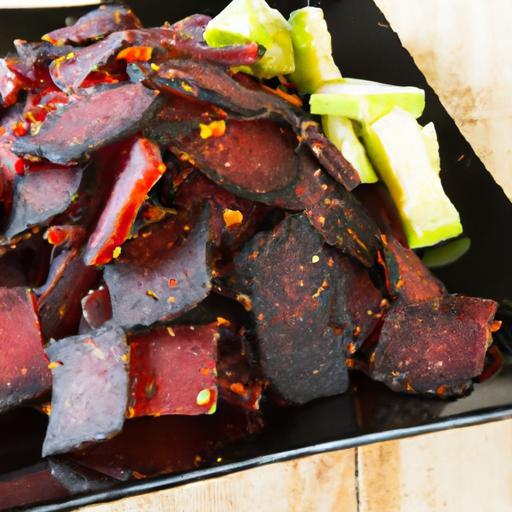
There’s something undeniably satisfying about teh chewy, savory bite of a perfectly crafted beef jerky-a timeless snack that transforms humble strips of meat into a flavorful powerhouse. Whether you’re gearing up for a rugged outdoor adventure, seeking a protein-packed treat, or simply exploring the art of homemade snacks, mastering the craft of beef jerky is a delicious journey worth undertaking. In this step-by-step recipe guide,we’ll unravel the secrets to selecting the best cut,balancing bold marinades,and achieving that ideal texture and smokiness. Prepare to dive into a world where patience meets creativity,and your kitchen becomes the gateway to jerky perfection.
Selecting the Ideal cut and Preparing Your Beef for Maximum Flavor
Crafting the Perfect Beef Jerky starts with understanding the essential elements of selecting and preparing your beef. The journey to that tender, flavorful, chewy snack begins at the butcher’s counter, where the choice of cut directly influences texture, taste, and drying time. Imagine slicing into a slab of deep red, marbled meat that promises rich, savory notes after hours of curing and drying.This is the foundation upon which truly exceptional beef jerky is built.
For the best results, choose a lean and tender cut like top round, bottom round, or eye of round. These cuts offer an ideal balance of texture and low fat content, ensuring your jerky dries evenly without becoming greasy or spoiling quickly. Avoid cuts with excessive marbling or fat becuase fat doesn’t dry well and can lead to rancidity.
Prep and Cook Time
- Preparation: 15 minutes
- Marinating: 8-12 hours
- Drying/Dehydrating: 4-8 hours
- Total Time: Approximately 12-20 hours
Yield
Approximately 6-8 servings of perfectly seasoned homemade beef jerky.
Difficulty Level
Medium – Requires careful slicing and marinating, but straightforward drying techniques make this accessible for enthusiastic home cooks.
ingredients
- 2 pounds lean beef (top round or eye of round), thinly sliced against the grain
- ½ cup soy sauce (low sodium preferred)
- ¼ cup Worcestershire sauce
- 2 tablespoons brown sugar, packed
- 1 tablespoon smoked paprika
- 1 teaspoon black pepper, freshly ground
- 1 teaspoon garlic powder
- 1 teaspoon onion powder
- ½ teaspoon red chili flakes (optional, for heat)
- 1 teaspoon liquid smoke (optional, for smoky depth)
instructions
- freeze the beef for about 1 hour before slicing-this firms up the meat, making it easier to cut thin, consistent strips about ⅛ to ¼ inch thick.
- Prepare the marinade by whisking soy sauce, Worcestershire sauce, brown sugar, smoked paprika, black pepper, garlic powder, onion powder, red chili flakes, and liquid smoke in a bowl until the sugar dissolves gently.
- Submerge the beef strips entirely in the marinade. For best flavor infusion, cover the bowl with plastic wrap and refrigerate for 8 to 12 hours, turning halfway through to ensure even seasoning.
- Preheat your dehydrator or oven to 160°F (71°C). If using an oven, line a baking sheet with foil and set a wire rack above to allow airflow around the meat.
- Lay the beef strips in a single layer on dehydrator trays or the wire rack, ensuring pieces don’t overlap to promote uniform drying.
- Dry the jerky for 4 to 8 hours-check intermittently after 4 hours. Properly dried jerky should be pliable but dry to the touch without any moist spots.
- Cool completely before storing in airtight containers or resealable bags to keep texture and flavor intact.
Tips for Success
- For even slicing, chill your beef until firm but not frozen solid.
- If you prefer chewier jerky, slice with the grain; for more tender results, slice against the grain.
- Use a kitchen scale to weigh out your marinade for consistent flavor every time.
- Maintain steady drying temperature-low and slow is the key to avoiding overcooked edges.
- Store in a cool, dark place or refrigerate for longer shelf life, especially if you use a high-moisture marinade.
Serving Suggestions
Serve your homemade beef jerky as a high-protein snack on outdoor adventures or pair it with fresh-cut vegetables and a tangy mustard dip for a more significant snack platter. A sprinkle of chopped fresh herbs like parsley or cilantro can refresh the deep smoky flavor after drying. For casual gatherings,stack slices on a rustic wooden board alongside dried fruits and roasted nuts,letting guests build their own savory bite combos.

| Nutritional Info (per serving) | Amount |
|---|---|
| Calories | 130 |
| Protein | 22g |
| Carbohydrates | 3g |
| Fat | 2g |
For more insight into selecting the finest beef cuts, discover our complete Guide to Beef Cuts. To learn more about proper meat storage to maintain flavor and safety, check out the USDA’s official guidelines on Food Safety and Inspection Service.
Mastering the Marinade: balancing Spices and Ingredients for Bold Taste
Crafting the perfect beef jerky begins with an artful balance of spices and ingredients that infuse each tender strip with bold, layered flavors. The marinade is your secret weapon-it’s where the magic happens, transforming lean beef into an irresistible, savory snack that bursts with complexity.
Inspired by traditional jerky recipes that have traveled centuries and continents, this marinade embraces a harmony of sweet, salty, smoky, and tangy notes. Achieving that perfect interplay might sound intimidating, but mastering it is simpler than you think when you understand how each ingredient contributes to the final taste and texture.
Prep and Cook Time
- Preparation: 20 minutes
- Marinating: 12-24 hours
- Drying/Cooking: 4-6 hours
Yield
Approximately 8 servings of flavorful beef jerky strips,perfect for sharing or storing for later snacking.
Difficulty Level
Medium – Requires patience during marination and proper drying technique for best results.
Ingredients
- 1 lb lean beef sirloin or top round,thinly sliced (partially frozen for easier slicing)
- ½ cup soy sauce (low sodium preferred)
- 2 tablespoons Worcestershire sauce
- 1 tablespoon honey or pure maple syrup
- 1 teaspoon smoked paprika
- 1 teaspoon garlic powder
- 1 teaspoon onion powder
- ½ teaspoon freshly cracked black pepper
- ½ teaspoon cayenne pepper (adjust for spice tolerance)
- 1 teaspoon liquid smoke (optional but highly recommended for authentic smoky flavor)
- ¼ cup apple cider vinegar
- ½ teaspoon ground mustard
- 1 teaspoon kosher salt
Instructions
- Prepare the beef: Freeze the beef for 1-2 hours until firm but not frozen solid,then slice it thinly against the grain (about ⅛ inch thick) for tender jerky.
- Whisk the marinade: in a medium bowl, combine soy sauce, Worcestershire sauce, honey, smoked paprika, garlic powder, onion powder, black pepper, cayenne, liquid smoke, apple cider vinegar, ground mustard, and kosher salt. Stir until honey is fully dissolved.
- Marinate the beef: Place the sliced beef in a large resealable plastic bag or airtight container. Pour the marinade over the beef, ensuring all pieces are fully submerged. Seal tightly and refrigerate for 12-24 hours, turning the bag halfway to maximize flavor absorption.
- Drain and dry: Remove beef from marinade and pat dry with paper towels to remove excess liquid-this helps achieve a perfect chewy texture instead of soggy strips.
- Arrange the beef strips: On dehydrator trays or wire racks placed on baking sheets,lay the beef slices in a single layer without overlapping to allow even airflow during drying.
- Dehydrate or bake: Dry in a food dehydrator at 160°F (71°C) for 4-6 hours or in an oven on the lowest setting with the door ajar for ventilation. Flip strips halfway through the process to ensure uniform drying. Jerky is done when it bends without breaking and is dry to the touch.
- Cool and store: Let jerky cool completely on racks before storing it in an airtight container or vacuum-sealed bags. It can keep fresh for up to two weeks at room temperature and longer if refrigerated.
Tips for Success
- Slice against the grain: Cutting across muscle fibers rather than parallel creates a more tender jerky experience.
- Balance the marinade: The sweetness of honey cuts the saltiness of soy sauce while vinegar adds shining acidity-feel free to tweak these ratios to your preference.
- Don’t skip the drying step: Proper dehydration is essential to achieve jerky’s signature chewy texture and preservation quality.
- Use liquid smoke sparingly: A little goes a long way in adding authentic smoky depth without overpowering.
- Marinate longer for boldness: If time allows, 24 hours immersing your meat intensifies the flavor penetration dramatically.
- Experiment with spice levels: Increase cayenne or add crushed red pepper flakes for those who crave extra heat.
- Make ahead: Jerky can be prepared in advance and is a fantastic gift or travel snack.
Serving Suggestions
The rich,spiced layers of this beef jerky make it perfect as a standalone snack or paired with hearty accompaniments. Try serving with:
- crunchy vegetable sticks like celery or carrot for contrast
- A robust cheese board featuring sharp aged cheddar or smoked gouda
- Fresh fruit slices-such as crisp apple or dried mango-that complement the smoky sweetness
- Garnish with freshly chopped parsley or a sprinkle of cracked black pepper for an elevated presentation
- Include alongside craft beers or artisan sodas for a casual gathering
| Nutritional Info (per serving) | Calories | Protein | Carbs | Fat |
|---|---|---|---|---|
| Beef Jerky | 116 kcal | 10 g | 3 g | 7 g |

For more on seasoning meats and crafting savory snacks, check out our detailed guide to marinade techniques for steak. To understand the science of curing meat safely, visit the USDA Food Safety Basics.
Dehydration Techniques Demystified Achieving the Perfect Jerky Texture
crafting the Perfect Beef Jerky: A Step-by-Step Recipe Guide unlocks the secret to masterful dehydration techniques that transform simple strips of beef into irresistibly tender yet satisfyingly chewy jerky. This artisanal snack has roots tracing back to Native American preservation methods, evolving with each generation into a beloved protein-packed treat for adventurers and food lovers alike.Achieving the perfect jerky texture means balancing moisture removal with retaining that rich, savory flavor and mouthwatering bite that jerky aficionados crave.
Prep and Cook Time
- Preparation: 20 minutes
- Marination: 12 hours (overnight for best results)
- Dehydration: 4 to 6 hours
- Total Time: Approximately 18 hours
Yield
About 8 servings (approx. 2 oz per serving)
Difficulty Level
Medium - Requires marination and careful temperature control during dehydration for perfect results.
ingredients
- 2 lbs lean beef (top round, eye of round, or flank steak), thinly sliced (1/8 – 1/4 inch)
- 1/2 cup low sodium soy sauce
- 1/4 cup Worcestershire sauce
- 2 tbsp brown sugar, packed
- 1 tsp smoked paprika
- 1 tsp garlic powder
- 1 tsp onion powder
- 1/2 tsp black pepper, freshly ground
- 1/2 tsp crushed red pepper flakes (optional, for heat)
- 1 tsp kosher salt
Instructions
- Freeze and slice: Place the beef in the freezer for 1 to 2 hours to firm it up, which makes for thinner and more uniform slicing. Cut against the grain into strips approximately 1/8 to 1/4 inch thick, about 1/2 inch wide and 3-4 inches long for ideal jerky texture.
- Prepare the marinade: In a large bowl, whisk together soy sauce, Worcestershire sauce, brown sugar, smoked paprika, garlic powder, onion powder, black pepper, red pepper flakes, and kosher salt until the sugar dissolves completely.
- Marinate the meat: Submerge the beef strips in the marinade, ensuring every piece is coated, then cover and refrigerate for 12 hours or overnight. This slow infusion tenderizes the meat and develops rich, complex flavors.
- Drain and pat dry: Remove the beef strips from marinade, gently shaking off excess liquid, then pat dry with paper towels to reduce surface moisture. This step is crucial for optimum drying performance.
- Preheat the dehydrator or oven: Set your dehydrator temperature to 160°F (70°C). If using an oven, preheat to the lowest setting, ideally around 160-175°F (70-80°C).
- Arrange the meat for dehydration: Place strips in a single layer on dehydrator trays or wire racks, ensuring pieces don’t overlap. Airflow circulation is key to even drying and consistent texture.
- Dehydrate the beef: Let the beef dry for 4 to 6 hours, checking periodically. Bite into a strip at the 4-hour mark to test doneness-it should bend and crack but not snap in half. Thicker cuts may require additional drying time.
- Cool and store: Once dried,allow jerky to cool completely on the racks before transferring to airtight containers or vacuum-seal bags. Store in a cool, dry place or refrigerate for longer shelf life.
Tips for Success
- Consistent slicing: Use a sharp knife or meat slicer for uniform strips that dry evenly, preventing chewy or under-dried pieces.
- Marination time: Aim for at least 12 hours to maximize flavor without oversaturating the meat,which can impede drying.
- Temperature control: Maintain 160°F to inhibit bacterial growth and ensure food safety during dehydration.
- Test texture: Remove a strip after 4 hours to evaluate doneness-jerky should be pliable, not brittle.
- Customize spice levels: Adjust crushed red pepper and smoked paprika to tailor heat and smokiness to your palate.
- Make-ahead tip: Marinated strips can stay refrigerated up to 24 hours before drying for enhanced depth of flavor without compromising texture.
Serving Suggestions
Presented best slightly warmed or room temperature, homemade beef jerky pairs beautifully with a sharp aged cheddar or creamy pepper jack cheese. Garnish your serving platter with fresh herbs like rosemary or thyme to add an aromatic contrast to the rich,savory beef.For on-the-go snacking, pack jerky alongside crunchy raw vegetables or a handful of roasted nuts for a perfectly balanced protein boost. Elevate your presentation by drizzling a light brush of extra virgin olive oil and sprinkling flaky sea salt just before serving to accentuate the jerky’s natural flavors.

| Nutrient | Per Serving (2 oz) |
|---|---|
| Calories | 120 |
| Protein | 22g |
| Carbohydrates | 4g |
| Fat | 3g |
For further insights into marination and preservation methods,explore our detailed guide on marination techniques for beef. To deepen your understanding of efficient dehydration, the USDA’s Food Safety Basics on Dehydrated Foods offers authoritative guidance on temperature controls and safety.
Storage Solutions and Serving Suggestions to Keep Your Jerky Fresh
crafting the perfect beef jerky is an art, one that demands care even after the final slice. Preserving the smoky, savory delight you’ve painstakingly made is essential to truly savoring every bite. By mastering smart storage solutions and creative serving ideas, your homemade jerky can remain fresh, flavorful, and impressively versatile for weeks to come.
Prep and Cook Time
- Preparation: 20 minutes
- Marinating: 6 to 12 hours
- Drying/Dehydrating: 4 to 6 hours
- Total Time: Approximately 10 to 18 hours (including marinating)
Yield
Approximately 8 to 10 servings of delectably chewy beef jerky, perfect for snacking or gifting.
Difficulty Level
Medium – Requires attention to detail during marinating and dehydrating,but highly rewarding!
Ingredients
- 2 pounds lean beef top round or sirloin,thinly sliced
- 1/2 cup soy sauce (low sodium preferred)
- 1/4 cup Worcestershire sauce
- 2 tablespoons brown sugar
- 1 teaspoon smoked paprika
- 1 teaspoon black pepper,freshly ground
- 1 teaspoon garlic powder
- 1/2 teaspoon onion powder
- 1/2 teaspoon cayenne pepper (optional,for heat)
- 1/2 teaspoon liquid smoke (optional,for extra smoky depth)
Instructions
- Slice the Beef: For uniform drying,trim excess fat and slice the beef against the grain into 1/4-inch thick strips. Freeze beef for 1 hour before slicing to ease cutting.
- Prepare the Marinade: In a large bowl, whisk together soy sauce, Worcestershire sauce, brown sugar, smoked paprika, black pepper, garlic powder, onion powder, cayenne, and liquid smoke until well combined.
- Marinate the Meat: Submerge beef strips into the marinade, cover tightly, and refrigerate for 6 to 12 hours. Stir occasionally to ensure even soaking.
- Dry the Jerky: Remove beef strips from marinade, pat dry with paper towels to remove excess liquid-this prevents sogginess.
- Dehydrate: Arrange beef strips in a single layer on dehydrator trays or wire racks,ensuring no overlap. Dry at 160°F (70°C) for 4 to 6 hours, flipping halfway for uniform drying. Jerky is done when it bends and cracks but doesn’t snap in half.
- Cool and Store: Let the jerky cool completely before packaging to avoid moisture buildup inside your containers.
Chef’s Notes and Tips for Success
- Lean Cuts Only: Fat can cause faster spoilage, so trimming is key for longer shelf life.
- Consistent Thickness: Use a sharp knife or a meat slicer for even cuts, ensuring your jerky dries evenly.
- Marinate Overnight: Longer marinating times develop deeper, well-rounded flavors.
- Test Doneness: The jerky should be leathery but pliable; too dry means it’s brittle,too moist means it may spoil quickly.
- Make-Ahead: Jerky can be made weeks in advance and stored properly for extended snacking pleasure.
Storage and Serving Suggestions to Keep Your Jerky Fresh
To extend the amazing flavor and texture of your beef jerky, choose airtight packaging as your first defense. Vacuum-sealing your jerky creates an oxygen-free habitat that dramatically slows oxidation and microbial growth, locking in freshness for up to 2 months at room temperature. If vacuum sealing is unavailable, high-quality resealable bags or glass jars with tight lids can suffice, but refrigeration is recommended for prolonged storage.
For longer-term preservation, consider freezing jerky in portioned vacuum-sealed bags. Swift thawing at room temperature preserves texture and flavor, letting you enjoy it just like freshly made.
Visually, serving your jerky can be a delightful experience. Cut into bite-sized strips or rustic chunks and arrange on a wooden charcuterie board alongside sharp cheeses, crunchy nuts, and fresh fruit like crisp apples or tangy berries to balance the savory richness.For an added gourmet touch, sprinkle chopped fresh herbs like rosemary or thyme around the platter-this not only adds a burst of color but also complements the smoky notes of the jerky.
In a casual setting, pair your beef jerky with creamy hummus, crunchy celery sticks, or spicy mustard dips. Wrapping jerky strips in crisp lettuce leaves with a smear of avocado creates a low-carb, satisfying snack perfect for picnics or game day.
When photographing your jerky for sharing, natural light highlights the deep mahogany hues and glistening texture – a well-styled shot with scattered coarse salt crystals and rustic parchment paper enhances the handcrafted appeal.

| Nutrient | Per Serving (1 oz) |
|---|---|
| calories | 70 |
| Protein | 12g |
| Carbohydrates | 2g |
| Fat | 1g |
for readers eager to dive deeper into snack-worthy dried meats, check out our Ultimate guide to Dehydrating Meats. Enhance your knowledge and try new techniques! Additionally, for food safety standards and guidelines on meat storage, visit the USDA Food Safety and Inspection Service.
Q&A
Q&A: Crafting the Perfect Beef Jerky – Your Ultimate Step-by-step Guide
Q1: What makes beef jerky such a beloved snack?
A1: Beef jerky’s enduring popularity comes from its rich, savory flavor combined with a satisfyingly chewy texture.It’s a protein-packed, portable snack perfect for adventures, long workdays, or whenever you crave something flavorful and sustaining. Plus, it has a long shelf life, making it ideal for storage and on-the-go enjoyment.
Q2: What’s the first step in making homemade beef jerky?
A2: Start by selecting the right cut of beef. Lean cuts like top round, bottom round, eye of round, or flank steak are ideal because they have minimal fat, which helps prevent spoilage and ensures a longer shelf life.Trim any visible fat before slicing to keep your jerky lean and preserved.
Q3: How should I slice the beef for jerky?
A3: Slice the meat against the grain into thin strips, about 1/8 to 1/4 inch thick.Cutting against the grain results in a more tender jerky, while slicing with the grain will give you a chewier texture. Uniform thickness is crucial for even drying.
Q4: What ingredients can I use to marinate my beef for jerky?
A4: Traditional marinades frequently enough include soy sauce, Worcestershire sauce, smoked paprika, garlic powder, onion powder, black pepper, and maybe a touch of brown sugar or honey for sweetness. You can experiment with chili flakes for heat or liquid smoke for a smoky flavor without a smoker.
Q5: How long should I marinate the beef slices?
A5: for best results, marinate the beef for at least 6 hours, ideally overnight. this allows the flavors to deeply penetrate the meat, enhancing its taste and tenderness.Q6: Which drying methods work best for beef jerky?
A6: Common drying methods include using a dehydrator, a conventional oven at low temperatures, or a smoker. Dehydrators offer precise temperature control and even drying, ovens are an accessible option using the lowest heat setting, and smokers impart a wonderful smoky character.Regardless of method, maintain temperatures between 140°F and 160°F (60°C to 71°C) to safely dry the meat without cooking it.
Q7: How do I know when my beef jerky is perfectly dried?
A7: Properly dried jerky should be dry to the touch but still slightly flexible,not brittle.When you bend a piece, it should crack but not snap in half. Over-drying can lead to a hard, tough texture, while under-dried jerky risks spoilage.
Q8: How long does homemade beef jerky keep, and how should I store it?
A8: When stored in an airtight container in a cool, dark place, homemade beef jerky can last 1 to 2 months. For longer storage, vacuum-sealing and refrigeration or freezing extend its shelf life to several months or more. Always check for signs of spoilage like off odors or mold before consumption.
Q9: Can I customize beef jerky flavors for different tastes?
A9: Absolutely! Feel free to experiment with various spices, herbs, and marinades. Try adding cayenne pepper for a spicy kick, ginger and garlic for an Asian-inspired twist, or maple syrup and black pepper for a sweet and savory combo. The key is balancing flavors so they complement the beef rather than overpower it.
Q10: What’s a common mistake to avoid when making beef jerky at home?
A10: One common pitfall is leaving too much fat on the meat. Fat does not dry well and can turn rancid, shortening your jerky’s shelf life and affecting flavor. another is drying at too high a temperature, which can cook the jerky rather than properly drying it, resulting in a tough texture.
Q11: Is making beef jerky a time-consuming process?
A11: While preparation-slicing and marinating-takes a few hours, the actual drying process can take anywhere from 4 to 12 hours depending on thickness, method, and temperature. It’s a slow, patient craft, but the delicious reward is well worth the wait.
Ready to embark on your jerky-making adventure? With the right cut, marinade, and drying technique, you’ll soon be savoring your own perfectly crafted beef jerky-snacktime elevated to an artisanal experience!
to Wrap It Up
As the last strips of your homemade beef jerky cool and the tantalizing aroma lingers in the air, you’ll realize that crafting this savory snack is as much an art as it is indeed a science. With patience, quality ingredients, and the step-by-step techniques outlined hear, you’ve unlocked the secrets to jerky that’s flavorful, tender, and perfectly preserved. Whether you’re gearing up for a rugged adventure or simply craving a satisfying protein boost, this guide ensures your jerky journey is a rewarding one. So grab your marinade, fire up your dehydrator or oven, and let your creativity turn humble beef into a timeless snack worth savoring bite after bite. Happy jerky making!