
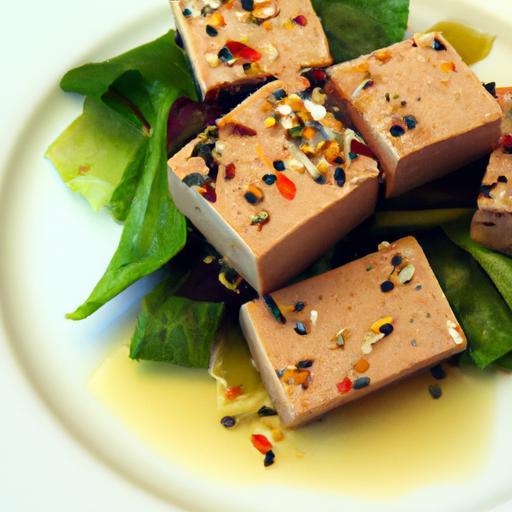
In a world where the ocean’s bounty faces mounting threats, a quiet revolution is simmering beneath the waves of culinary innovation. Welcome to the era of plant-based vegan tuna-a deliciously enduring alternative that’s reeling in food lovers and environmentalists alike. Blending science, texture, and rich flavor, this rising star of the plant-based movement promises to transform your favorite tuna dishes without casting a shadow on marine life. Join us as we dive deep into how this vibrant innovation is charting a new course in sustainable dining, proving that flavor and ethics can swim harmoniously on the same plate.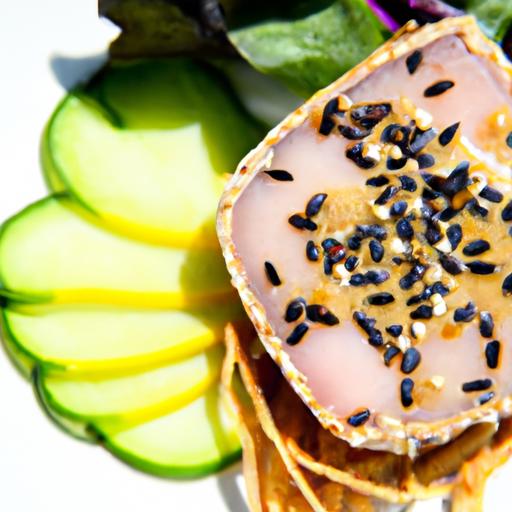
The Science Behind Plant-Based Tuna and Its nutritional Edge
Reeling in Flavor, the remarkable rise of plant-based vegan tuna brings a new wave of innovation and nutrition to your kitchen. This culinary marvel replicates the delicate texture and umami punch of classic tuna while harnessing wholesome, sustainable ingredients that nourish the body and respect the planet. Imagine slivers of flaky, savory “fish” crafted without any animal products-each bite delivering the satisfying complexity of seafood, balanced by the vibrant freshness of herbs and sea-inspired seasonings.
Inspired by coastal traditions and modern plant protein science,this recipe invites both adventurous cooks and seasoned vegan chefs to embrace a nourishing staple that’s as versatile as it is flavorful.
Prep and Cook Time
Readiness: 15 minutes – Cook Time: 10 minutes – Total: 25 minutes
Yield
Makes approximately 4 servings
Difficulty Level
Easy to Medium – perfect for those new to plant-based seafood or looking to elevate their kitchen repertoire.
Ingredients
- 1 cup young green jackfruit (canned in brine, drained and rinsed)
- 2 tablespoons nori flakes (for seaweed flavor)
- 1 tablespoon soy sauce or tamari for gluten-free
- 1 tablespoon kelp powder (optional, enhances oceanic taste)
- 2 tablespoons chickpea flour
- 1 teaspoon lemon juice (freshly squeezed)
- 2 tablespoons refined coconut oil (neutral flavor; for sautéing)
- 1 teaspoon smoked paprika
- 1 teaspoon garlic powder
- 1/2 teaspoon sea salt
- Fresh cracked black pepper, to taste
- 1/4 cup water (adjust for texture)
- Optional garnish: fresh dill, sliced capers, or thinly sliced red onion
Instructions
- Prepare the Jackfruit: Using your fingers or a fork, shred the jackfruit into thin, flaky pieces, replicating the natural grain of tuna. make sure to discard any seeds or hard core bits.
- Mix the Marinade: In a medium bowl, whisk together the soy sauce, lemon juice, nori flakes, kelp powder, smoked paprika, garlic powder, sea salt, black pepper, and water until well combined.
- Combine: Add the shredded jackfruit and chickpea flour to the marinade. Stir until the jackfruit is fully coated and the chickpea flour starts to bind the mixture, creating a fleshy texture.
- Rest the Mixture: Let it marinate for at least 10 minutes. This step allows the jackfruit to absorb the oceanic flavors and firm up slightly.
- Sauté: Heat the refined coconut oil over medium heat in a non-stick skillet. Add the marinated jackfruit and sauté for about 7-10 minutes, stirring occasionally, until golden edges develop and the mixture dries out slightly to resemble cooked tuna flakes.
- Adjust Texture: If desired, press gently with a spatula for a few minutes to flatten and compact the flakes to mimic tuna steaks.
- Serve Warm or chill: Use immediately in sandwiches, salads, or poke bowls, or refrigerate for later use.
Tips for Success
- Ingredient Variations: For a gluten-free version, substitute chickpea flour with tapioca starch or arrowroot powder, which also help to bind and add chewiness.
- Flavor Boost: Add a teaspoon of vegan Worcestershire sauce or miso paste to deepen umami.
- Texture Tip: Over-marinating can soggify jackfruit, so keep it balanced – 10 to 15 minutes is optimal.
- Make-Ahead: This plant-based vegan tuna keeps well in an airtight container in the fridge for up to 3 days and tastes excellent cold or reheated.
- Pro Tip: Lightly toast additional nori flakes on a dry pan before mixing to intensify sea flavors.
Serving Suggestions
This flavorful plant-based vegan tuna shines in a myriad of dishes. Layer it on your favorite artisan sandwich bread with crisp lettuce, ripe tomato slices, and a smear of vegan mayo for a classic sandwich experience. For a lighter option, fold it into crunchy greens topped with cucumber ribbons, avocado, and a drizzle of sesame dressing. Garnish with fresh dill,sliced capers,or a sprinkle of black sesame seeds to heighten the coastal vibe.Pair with lemon wedges for bright acidity that cuts through the richness.

| Nutrient | Per Serving |
|---|---|
| Calories | 180 kcal |
| Protein | 7 g |
| Carbohydrates | 20 g |
| Fat | 7 g |
Discover more transformative plant-based seafood ideas in our Vegan Seafood Recipes Collection and learn about sustainable ingredients from trusted sources like the National Geographic on sustainable seafood alternatives.
Sourcing Sustainable Ingredients for Authentic Flavor and Texture
Plant-based vegan tuna is revolutionizing the way we think about seafood alternatives, marrying sustainability with authentic flavor and texture.The secret to achieving that unmistakable umami-rich experience lies not only in technique but fundamentally in sourcing ingredients that respect the environment while delivering on freshness and quality.Choosing responsibly harvested seaweed, quality legumes, and organic spices can create a harmonious blend that excites the palate and nurtures the planet.
Prep and Cook Time
- Preparation: 15 minutes
- Cooking: 10 minutes
- Total Time: 25 minutes
Yield
Serves 4 generously.
Difficulty Level
Medium – great for home cooks eager to experiment with plant-based seafood textures.
Ingredients
- 1 cup young green jackfruit (canned in brine), drained and shredded
- 1/2 cup cooked chickpeas, rinsed and mashed
- 2 tablespoons nori flakes (dried seaweed), finely crushed
- 1 1/2 tablespoons kelp powder
- 1 tablespoon low-sodium soy sauce or tamari
- 1 teaspoon liquid smoke (optional, for subtle smoky depth)
- 1 teaspoon nutritional yeast
- 1 teaspoon freshly grated ginger
- 1 small garlic clove, minced
- 2 tablespoons extra-virgin olive oil
- 1 tablespoon fresh lemon juice
- Salt and freshly ground black pepper, to taste
- 1/4 teaspoon smoked paprika
- 2 tablespoons finely chopped fresh dill or chives
Instructions
- Prepare the jackfruit: Rinse the shredded jackfruit well under cold water, then gently squeeze to remove excess moisture. This step is key to achieving the flaky texture reminiscent of real tuna.
- Mix the base: In a large bowl, combine the shredded jackfruit, mashed chickpeas, nori flakes, kelp powder, nutritional yeast, smoked paprika, grated ginger, and garlic. Stir until well incorporated, taking care to maintain some texture.
- Season the mixture: Add soy sauce, liquid smoke, olive oil, and lemon juice. Toss thoroughly so every bit is coated, which enhances umami layers and moisture balance.
- adjust and rest: Taste and season with salt and pepper. Cover the bowl and let the mixture rest in the fridge for at least 15 minutes-this allows the flavors to meld and deepen.
- Cook the vegan tuna: Heat a non-stick skillet over medium heat. Add a little olive oil and gently sauté the mixture, pressing lightly with a spatula, until golden brown spots appear, about 5 minutes.stir occasionally to prevent sticking, letting the edges crisp just enough without drying out.
- Final touch: Remove from heat and fold in fresh herbs like dill or chives for a bright herbal note that complements the sea-inspired flavors.
Tips for Success
- Seaweed selection: Using high-quality nori flakes and kelp powder is essential. For authentic flavor, buy seaweed sourced from sustainable coastal farms; it provides natural iodine and a genuine ocean taste.
- Jackfruit texture: Young green jackfruit mimics the flaky, fibrous texture of tuna perfectly. Avoid ripe or sweet canned versions which lack the structural integrity needed.
- Customized smokiness: Liquid smoke is optional but adds a subtle, tantalizing depth. experiment with small amounts to suit your preference.
- Make-ahead friendly: Prepare the mixture a day ahead and refrigerate. The resting period intensifies flavor and helps textures bind beautifully, making it ideal for meal prep.
- Swap chickpeas: If you prefer a smoother consistency, white beans or cannellini beans are excellent alternatives.
Serving Suggestions
Serve this plant-based vegan tuna as a filling in fresh lettuce wraps,atop toasted whole grain baguette slices with a smear of vegan mayo,or mixed into a crisp salad with avocado,cucumber,and radishes.Garnish with microgreens, thinly sliced red onions, or a sprinkle of sesame seeds to elevate presentation and mouthfeel. A squeeze of fresh lemon just before serving wakes up the delicate marine nuances.

| Nutrient | Per Serving |
|---|---|
| Calories | 180 kcal |
| Protein | 12 g |
| Carbohydrates | 20 g |
| Fat | 6 g |
For more creative vegan seafood ideas and sustainable culinary inspiration,explore our Plant-Based Seafood Recipes section. To deepen your understanding of responsible seaweed harvesting, visit the Monterey Bay Aquarium’s kelp Forest resource.
Culinary Innovations Transforming Vegan Tuna into Gourmet Delights
Reeling in Flavor: The Rise of Plant-Based Vegan Tuna invites home cooks and culinary adventurers to experience an innovative oceanic delight without stepping into the seas. Harnessing the perfect blend of plant proteins and umami-rich elements, this dish captures the soul of traditional tuna with a compassionate twist that is as satisfying as it is indeed sustainable. Inspired by coastal flavors and crafted with heart, this vegan tuna recipe transforms humble pantry staples into an elegant, gourmet staple destined to become a favorite in your kitchen.
Prep and Cook Time
Prep Time: 15 minutes
Cook Time: 10 minutes
Total Time: 25 minutes
Yield
Serves 4 generous portions
Difficulty Level
Medium
Ingredients
- 1 1/2 cups young green jackfruit, drained and shredded
- 1/4 cup canned chickpeas, mashed
- 2 tbsp soy sauce or tamari for gluten-free
- 1 tbsp lemon juice, freshly squeezed
- 2 tbsp nori flakes (seaweed flakes for ocean flavor)
- 1 tbsp olive oil
- 1 tsp garlic powder
- 1 tsp smoked paprika
- 1/2 tsp black pepper
- 1/4 tsp sea salt
- 1/2 cup finely chopped celery
- 1/4 cup finely diced red onion
- 2 tbsp vegan mayonnaise
- 1 tsp Dijon mustard
- Optional: 1 tbsp capers, drained
Instructions
- Prepare the base: Rinse and drain the young green jackfruit well, then shred it into fine strips resembling tuna flakes.Place shredded jackfruit in a bowl.
- Mix the umami: Add mashed chickpeas, soy sauce, lemon juice, and nori flakes to the jackfruit. Stir gently to combine and let the mixture sit for 5 minutes so the flavors meld deeply.
- Season: stir in smoked paprika, garlic powder, sea salt, and black pepper thoroughly, ensuring an even distribution of spices.
- sauté for depth: Heat olive oil in a skillet over medium heat. Add the jackfruit mixture and cook for about 6 to 8 minutes, stirring occasionally, until slightly golden and fragrant. Be careful not to overcook; the jackfruit should stay tender.
- Add fresh crunch: Remove from heat and fold in finely chopped celery, red onion, vegan mayonnaise, Dijon mustard, and optional capers.Mix gently but thoroughly to create a creamy, textured vegan tuna salad.
- Chill: Cover and refrigerate for at least 15 minutes before serving to allow the flavors to marry perfectly.
Tips for Success
- Jackfruit texture: Use young green jackfruit packed in water or brine,not ripe jackfruit,for the best flaky texture.
- Umami upgrade: Incorporate a teaspoon of kelp powder if available to enhance the sea flavor without overpowering.
- Make-ahead: Prepare the vegan tuna salad a day ahead and keep refrigerated. It tastes even better after resting overnight.
- Substitutions: Swap vegan mayonnaise with plain silken tofu blended smooth for a lighter alternative.
- Texture check: Adjust the mashed chickpeas quantity for creaminess-less for chunkier, more for creamier.
Serving Suggestions
This vegan tuna shines beautifully when served in a crisp avocado half or stuffed into a freshly baked whole grain pita. Garnish with vibrant microgreens, thinly sliced radishes, or a sprinkle of toasted sesame seeds for a crunchy contrast. It also makes an irresistible topping on mixed greens or as a flavorful sandwich spread paired with crisp pickles and ripe tomato slices. A drizzle of vegan aioli or a dash of smoked paprika on top adds both color and excitement to every bite.

| Nutrient | Per Serving |
|---|---|
| Calories | 180 kcal |
| Protein | 8 g |
| Carbohydrates | 15 g |
| Fat | 7 g |
For those passionate about sustainable seafood alternatives, dive deeper into the growing world of plant-based meals with our collection of vegan seafood recipes. To expand your knowledge on plant-based nutrition and ocean-friendly eating,visit FAO’s plant-based diet resources for expert insights.
How to Incorporate Plant-Based Tuna into Your Everyday Meals
Plant-based tuna is a transformative ingredient, unlocking vibrant, sustainable, and crave-worthy flavors for everyday meals. This vegan alternative to traditional tuna not only mimics the tender texture and umami depth of the ocean’s bounty but also elevates your plate with wholesome plant-powered nutrition. Inspired by the timeless appeal of tuna dishes,this adaptable ingredient makes it effortless to create rapid lunches,satisfying dinners,and even playful appetizers that delight the senses and spark creativity in the kitchen.
Prep and Cook Time
- Prep Time: 10 minutes
- Cook Time: 5 minutes (mostly for warming and integrating flavors)
Yield
- Serves 4 hearty portions
Difficulty Level
- Easy – perfect for cooks of all skill levels
Ingredients
- 1 can (5 oz) of plant-based tuna, drained and flaked
- 1/4 cup vegan mayonnaise (choose your favorite brand)
- 1 tablespoon Dijon mustard
- 1 small celery stalk, finely diced
- 2 tablespoons red onion, finely chopped
- 1 tablespoon capers, chopped
- 1 tablespoon fresh lemon juice
- 1 teaspoon seaweed flakes (optional for extra oceanic flavor)
- Salt and black pepper, to taste
- 2 cups mixed greens (arugula, baby spinach, or your choice)
- 4 whole-grain sandwich bread slices or wraps for assembling
- 1 avocado, sliced (optional but recommended)
Instructions
- prepare the plant-based tuna base: In a medium bowl, gently break apart the plant-based tuna with a fork until flaky but still textured.
- Mix the flavorful binders: Add vegan mayonnaise, Dijon mustard, and fresh lemon juice to the bowl. Stir thoroughly to combine the creamy dressing with the flakes.
- Add crunch and brightness: Fold in the finely diced celery, chopped red onion, and capers. These add contrast and a fresh bite.
- enhance umami notes: sprinkle in the optional seaweed flakes for a subtle briny kick reminiscent of the sea. Season with salt and black pepper to taste.
- Assemble the sandwich: Lightly toast the whole-grain bread slices for texture. Lay down a bed of mixed greens to create a fresh base.
- Layer the ingredients: Spoon the creamy plant-based tuna mixture generously over the greens, then top with neatly sliced avocado for luscious creaminess.
- Finish and serve: Close the sandwich or wraps and slice in half. Serve with crispy baked chips or a crisp side salad to complement the flavors and keep things light.
Tips for Success
- Customize your blend: Swap vegan mayonnaise with mashed avocado or vegan Greek-style yogurt for a lighter dressing.
- Make it a salad: Skip the bread and toss the mixture over quinoa or crunchy kale for a refreshing grain bowl.
- Storage: Prepare the mixture a day ahead, covered tightly in the fridge-flavors meld beautifully over time.
- Capers are your friends: They pack a punch of salty brightness that mimics the ocean without overpowering.
Serving Suggestions
Present the sandwich halves with a vibrant wedge of lemon on the side to splash before eating. Garnish with a sprinkle of fresh chopped dill or parsley for herbal freshness. For a colorful variation, add thinly sliced radishes or pickled cucumbers inside. This plant-based tuna shines beautifully in open-faced tartines served atop toasted rye bread or vibrant crackers for elegant entertaining.

| Nutrient | Per Serving |
|---|---|
| Calories | 280 |
| Protein | 16g |
| Carbohydrates | 28g |
| Fat | 10g |
Ready to dive deeper into vegan seafood alternatives? Explore our related article on vegan seafood substitutes guide for more plant-based inspiration. For scientific insight into the environmental benefits of plant-based tuna, visit this NRDC (Natural Resources Defense Council) resource on sustainable seafood.
Q&A
Q&A: Reeling in Flavor – The Rise of Plant-Based vegan Tuna
Q1: What exactly is plant-based vegan tuna?
A: Plant-based vegan tuna is a seafood alternative crafted entirely from plants, designed to mimic the texture, flavor, and appearance of traditional tuna. Using ingredients like legumes, seaweed, and natural flavor enhancers, these products offer a sustainable and cruelty-free option for seafood lovers and vegans alike.
Q2: Why is plant-based tuna gaining popularity now?
A: Several factors drive the rise of vegan tuna: heightened awareness of ocean overfishing,concerns about mercury and microplastics in seafood,and a growing desire for environmentally friendly diets. Plus, advances in food technology have made plant-based options tastier and more accessible than ever.
Q3: How do makers replicate the unique flavor of tuna without using fish?
A: The secret lies in combining umami-rich ingredients such as seaweed, kelp, algae, and fermented legumes. These ingredients impart that briny, oceanic essence characteristic of tuna. Textural innovation, such as using plant fibers and protein isolates, bridges the flavor with a satisfying bite.Q4: Are these vegan tuna products nutritious?
A: Absolutely! Many plant-based tuna alternatives are packed with protein comparable to or exceeding that of real tuna. They also usually contain fiber, vitamins, minerals, and omega-3 fatty acids sourced from algae, making them a heart-healthy, nutrient-rich choice.
Q5: Can plant-based tuna be used in traditional tuna recipes?
A: Yes! From classic tuna salads and sushi to sandwiches and poke bowls, plant-based tuna can be cooked, seasoned, and presented much like traditional tuna.It adapts well to a range of culinary styles, inviting endless experimentation in the kitchen.
Q6: How does choosing plant-based tuna help the environment?
A: Opting for vegan tuna reduces reliance on wild fish stocks, helps prevent overfishing, and lowers greenhouse gas emissions associated with fishing and fish farming. Cultivating plants requires fewer resources like water and energy, making it overall a more sustainable choice for our oceans and planet.
Q7: What challenges remain for the plant-based tuna industry?
A: While progress is rapid, challenges include perfecting flavor profiles to satisfy the most discerning palates and scaling production to meet increasing demand affordably. Regulatory approvals and educating consumers on this new product category also continue to shape its market growth.Q8: Where can consumers find plant-based tuna today?
A: Many grocery stores now carry plant-based tuna in their refrigerated or canned seafood aisles.Specialty vegan shops, online retailers, and even select restaurants are also embracing this innovation, making it easier than ever to reel in flavor without fishing.
Q9: What’s next for the future of plant-based seafood?
A: The future looks bright and briny! As technology evolves, expect even more refined textures, innovative flavors, and expanded options-from vegan salmon to crab cakes-all designed to delight taste buds while protecting marine life.
Q10: How can someone new to plant-based tuna get started?
A: Start simple! Try swapping vegan tuna into your favorite tuna salad recipe or sushi roll. Experiment with dressings and spices to tailor the flavor. Most importantly, approach it with curiosity-the ocean’s bounty is being reimagined on land, and your palate is invited along for the adventure.
To Wrap It up
As the tides of culinary innovation continue to swell, plant-based vegan tuna is making waves-not just as a sustainable alternative, but as a flavorful contender poised to redefine our plates. From sushi bars to sandwich shops, this rising star is proving that you don’t need to cast a net in the ocean to reel in taste and nutrition.Embracing these plant-powered options invites us to savor the future of seafood, where ecology and epicurean delight swim side by side. Weather you’re a devoted vegan or simply curious about new flavors, one thing is clear: the world of tuna is evolving, and it’s time we all took a bite.