

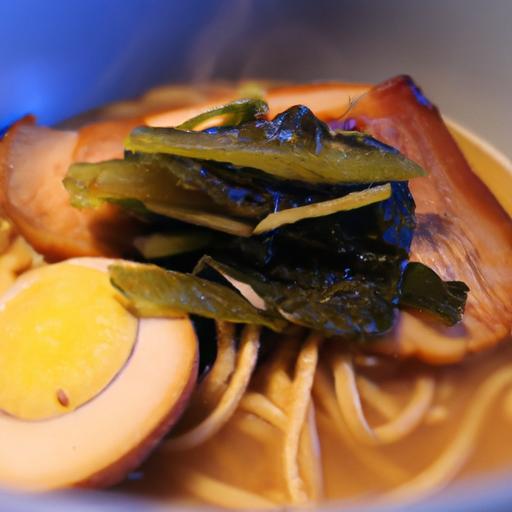
There’s something truly magical about a steaming bowl of ramen-layers of rich, savory broth mingling with tender noodles, vibrant toppings, and aromatic spices. this beloved Japanese comfort food has captured hearts worldwide, yet few realise the art and patience that go into crafting ramen from scratch. If you’ve ever dreamed of recreating that authentic taste right in your own kitchen,you’re in the right place. In this step-by-step guide, we’ll unravel the secrets behind homemade ramen, transforming simple ingredients into a soul-warming masterpiece. Get ready to embark on a culinary journey where tradition meets creativity, and every slurp tells a story.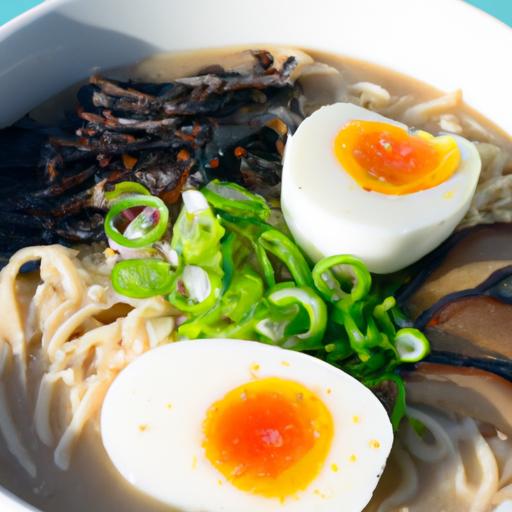
Choosing the Perfect Ingredients for Traditional ramen Broth
Crafting authentic homemade ramen broth begins with selecting the finest, thoughtfully sourced ingredients that bring depth, umami, and warmth to this iconic Japanese dish. Rooted in centuries of culinary tradition, ramen’s rich broths are the true soul of the bowl-each sip revealing layers of slow-cooked flavors that speak to patience and passion. Whether you’re new to ramen or a seasoned enthusiast, choosing the perfect components is the first step toward creating a broth that comforts and delights in equal measure.
Prep and Cook Time
- Prep Time: 30 minutes
- Cook Time: 6 hours (slow simmering)
- Total Time: 6 hours 30 minutes
Yield
Approximately 6 servings of rich, velvety ramen broth
Difficulty Level
Medium – Requires patience and attention to layering flavors, but very rewarding
Ingredients
- 2 lbs chicken bones (preferably with some cartilage for gelatin)
- 1 large onion, halved
- 1 large carrot, roughly chopped
- 3 cloves garlic, smashed
- 2-inch piece of fresh ginger, sliced thinly
- 5 dried shiitake mushrooms
- 1 leek, cleaned and chopped into large pieces
- 1/4 cup dried kombu (kelp)
- 1/2 cup bonito flakes (optional for extra umami, omit for vegetarian broth)
- 3 tbsp light soy sauce
- 2 tbsp miso paste (white or yellow miso for sweetness)
- 8 cups cold filtered water
- 1 tbsp toasted sesame oil
- Salt to taste
Instructions
- blanch the chicken bones: Place the chicken bones in a large stockpot and cover with cold water. Bring to a rolling boil and blanch for 10 minutes. This step removes impurities for a clearer broth. Drain and rinse the bones thoroughly under cold water.
- Prepare your aromatics: While the bones are blanching, char the onion halves and carrot pieces over an open flame or under a broiler until edges are blackened. This caramelization adds a smoky depth to your broth.
- Sauté aromatics: Heat the toasted sesame oil in a large stockpot over medium heat. Add garlic, ginger, and leek, sauté until fragrant and golden, about 5 minutes.
- Combine all broth components: Return the cleaned bones to the pot along with charred onion, carrot, dried shiitake mushrooms, kombu, and bonito flakes (if using).Pour in 8 cups of cold filtered water.
- Slow simmer: Bring to a gentle simmer over low heat. Avoid boiling to keep the broth clear. Simmer uncovered for 5-6 hours, occasionally skimming off any surface foam or impurities with a fine mesh skimmer for the cleanest flavor.
- Remove kombu: At about 1 hour into simmering, remove the kombu to prevent bitterness.
- Finish with seasoning: In the last 30 minutes, stir in the light soy sauce and miso paste until fully dissolved. Taste and adjust salt as needed to balance the broth’s umami richness.
- Strain the broth: Carefully strain the broth through a fine-mesh sieve into a clean pot. Discard solids.
- Serve or store: Use the broth immediately for your ramen bowls or cool quickly and refrigerate for up to 3 days, or freeze for up to 3 months.
Tips for Success
- For a vegetarian ramen broth, replace chicken bones with a mix of shiitake mushrooms, kombu, and roasted vegetables, simmering for at least 4 hours.
- Char your vegetables well to develop that smoky, deeply savory undertone that mimics traditional ramen techniques.
- Keep the heat low-boiling clouds the broth and mutes its delicate flavors.
- Make the broth ahead of time; flavors only deepen after resting overnight in the fridge.
- Experiment with miso varieties-from white to red-to adjust sweetness and saltiness to your liking.
Serving Suggestions
Pour your Crafting authentic homemade ramen broth over freshly cooked ramen noodles, topping with slices of roasted chicken breast or tofu for protein. Garnish with a soft-boiled egg, finely sliced green onions, a sprinkle of toasted sesame seeds, and nori sheets for texture and visual appeal. A drizzle of chili oil or a few drops of aromatic garlic oil will elevate the experience further. Pair your bowl with a side of pickled vegetables or steamed edamame for a complete meal.

| nutrient | Per Serving (approx.) |
|---|---|
| Calories | 150 kcal |
| Protein | 12 g |
| Carbohydrates | 5 g |
| Fat | 8 g |
For more ramen techniques and broth variations, explore our detailed guide on Ultimate Ramen guide. To dive deeper into the science behind a perfect stock, the Japan Culinary Institute offers extensive resources on traditional broth crafting-visit Japan Culinary Institute.
Mastering the Art of noodle Making from Scratch
Crafting authentic homemade ramen is a rewarding culinary journey that connects you deeply to one of Japan’s most beloved dishes. The process of making noodles from scratch imbues your ramen with a fresh, tender texture and a flavor that simply can’t be matched by store-bought options. Whether you’re inspired by a trip to a ramen shop in Tokyo or eager to bring a bowl of soulful comfort to your kitchen, mastering the art of noodle making elevates your ramen experience to new heights.
Prep and Cook Time
- Preparation: 30 minutes
- resting: 1 hour
- Cooking: 3-5 minutes
- Total: Approximately 1 hour 40 minutes
Yield
- Serves 4 hearty bowls of ramen noodles
Difficulty Level
- Medium: Some kneading and rolling skills required, but approachable with patience
Ingredients
- 2 cups all-purpose flour, sifted
- 1/2 cup warm water (about 110°F/43°C)
- 1/2 tsp salt
- 1 tsp baking soda (or substitute with 2 tsp baked baking soda for authentic alkalinity)
- 1 tbsp olive oil or neutral vegetable oil
Instructions
- Prepare the alkaline water: Dissolve the baking soda in the warm water to mimic the traditional kansui liquid that gives ramen its characteristic chew and yellow hue. For a more authentic flavor, baking soda can be baked at 250°F (120°C) for an hour before dissolving.
- Mix dry ingredients: In a large bowl, combine the sifted flour and salt. Whisk together to distribute evenly.
- Create a well: Make a well in the center of the dry ingredients and slowly pour in the alkaline water mixture along with the oil.
- Combine dough: Gradually mix the flour into the liquid using chopsticks or a fork, then start kneading once the dough begins to form.
- Knead the dough: On a lightly floured surface, knead for 10-15 minutes until smooth and elastic. The dough should be firm but pliable-it may feel stiff at first, but resist adding too much extra flour.
- Rest the dough: Wrap the dough in plastic wrap and let it rest at room temperature for at least 1 hour. This relaxation period allows the gluten to settle, making rolling easier.
- Roll out the dough: Divide the dough into two parts. Using a rolling pin, roll each portion out to about 1/8 inch (3 mm) thick. For a uniform thickness, turn and flour the dough often to prevent sticking.
- cut the noodles: Lightly dust the sheet with flour, fold it gently, and slice into thin strips approximately 1/8 inch wide (3 mm). Use a sharp knife or pasta cutter for clean edges.
- Cook the noodles: Boil a large pot of water and cook the noodles for 3 to 5 minutes, stirring gently to prevent sticking. Fresh noodles cook quickly; taste early to avoid overcooking.
- Drain and rinse: Drain the noodles and briefly rinse under cold water to stop the cooking and enhance chewiness. Toss with a little sesame oil if not serving immediately.
Tips for Success When Crafting Authentic Homemade Ramen Noodles
- Use baked baking soda for a more authentic alkaline effect, which gives ramen its signature texture and color.To make, spread baking soda on a baking sheet and bake at 250°F for an hour.
- Resting the dough is critical-it allows the gluten structure to soften and makes rolling out easier.
- Be patient with kneading; dough consistency is key. It should be elastic but not sticky or crumbly.
- Don’t skip rinsing your cooked noodles if you want that ideal springy bite and to prevent clumping.
- If you want to prepare noodles in advance, dust with flour, loosely coil them, and freeze on a baking sheet before storing in airtight bags.
Serving Suggestions
Once your fresh noodles are cooked, they form the perfect foundation for an aromatic bowl of soup. Pour rich, clear broth over the noodles and top with vibrant sliced green onions, marinated soft-boiled egg halves, crisp bamboo shoots, and sheets of nori. Fresh cilantro or thinly sliced chili peppers add an invigorating touch. For a heartier bowl, serve alongside tender grilled chicken or silky tofu cubes. The juxtaposition of textures and colors makes each bowl a feast for the eyes and palate.

| Nutrient | Per serving (100g cooked noodles) |
|---|---|
| Calories | 180 kcal |
| Protein | 6 g |
| Carbohydrates | 38 g |
| Fat | 1 g |
For further inspiration and advanced broth recipes, visit our Ultimate Ramen Broth Guide. To understand the science behind alkaline noodles, check out this Serious Eats feature on ramen noodle chemistry.
balancing Flavors with Toppings and Garnishes
Crafting Authentic Homemade ramen: A Step-by-Step Guide reveals the magic behind building layers of flavor that pay homage to this beloved Japanese classic. One of the most thrilling parts of creating ramen from scratch is the art of balancing toppings and garnishes, elevating a comforting bowl into a masterpiece of texture, taste, and visual appeal. Each element you add is not merely decorative but plays a vital role in harmonizing salty, sweet, umami, and fresh notes.
Prep and Cook Time
- Preparation: 30 minutes
- Cooking: 1 hour 15 minutes
- Total Time: 1 hour 45 minutes
Yield
Makes 4 hearty servings of rich, flavorful ramen bowls
Difficulty Level
Medium – perfect for adventurous home cooks ready to dive deeper into authentic ramen-making techniques
ingredients
- Broth Base: 8 cups vegetable broth, homemade or low-sodium store-bought
- Noodles: 12 oz fresh ramen noodles or dried if unavailable
- Toppings:
- 4 large soft-boiled eggs, halved
- 1 cup baby spinach, blanched
- 1 cup shiitake mushrooms, thinly sliced and sautéed
- ½ cup corn kernels, lightly steamed
- 2 green onions, finely sliced
- 1 sheet roasted nori (seaweed), cut into strips
- 2 tbsp toasted sesame seeds
- Fresh cilantro leaves, for garnish
- 1 tsp chili oil (optional, for a hint of heat)
- Seasoning Sauce (Tare): 3 tbsp soy sauce, 1 tbsp mirin, 1 tsp finely grated ginger
instructions
- Prepare the Broth: warm the vegetable broth in a large pot over medium heat. Stir in the soy sauce, mirin, and freshly grated ginger to create your tare base. Keep warm on low heat.
- Cook the Noodles: Bring a large pot of water to a rolling boil. Add the ramen noodles and cook according to package instructions (usually 2-3 minutes fresh, or 4-5 minutes dried). Drain and rinse briefly with cold water to prevent sticking, then set aside.
- Soft-Boil the Eggs: Gently place eggs into boiling water for exactly 7 minutes for that creamy yolk texture. Transfer immediately to an ice bath, peel carefully, and slice in half.
- Sauté the Mushrooms: Heat 1 tbsp sesame oil in a skillet over medium heat. Add shiitake mushrooms and sauté until tender and golden brown, about 5 minutes, stirring occasionally to release their earthy aroma.
- Blanch the Spinach and Steam Corn: Quickly blanch baby spinach leaves in boiling water for 30 seconds, then transfer to cold water to retain vibrancy. Steam corn kernels for 2 minutes.
- Assemble the Bowls: Divide noodles evenly into four bowls. ladle hot broth over noodles, ensuring the flavored tare blends effortlessly.Artfully arrange toppings-soft-boiled eggs, sautéed mushrooms, spinach, corn, and sliced green onions-around the bowl.
- add Garnishes: Finish with roasted nori strips, a sprinkle of toasted sesame seeds, and fresh cilantro leaves. For a subtle kick, drizzle a few drops of chili oil on top.
Chef’s Notes: Tips for Success
- Adjusting Saltiness: The tare seasoning is your flavor anchor-start with less soy sauce and add more as you taste the broth to control salt levels perfectly.
- Egg Perfection: Timing is crucial for the soft-boiled eggs; a precise 7-minute boil followed by an ice bath yields creamy yolks that melt into the broth.
- Vegetarian variations: Swap mushrooms for roasted eggplant, or add grilled tofu cubes for extra protein without sacrificing authenticity.
- Make-Ahead Tips: The broth can be prepared up to 3 days in advance and refrigerated. Reheat gently before assembling your ramen bowls.
- Texture Contrast: Crunch from corn and green onions balances the luscious broth and tender noodles,so don’t skimp on these fresh toppings.
serving Suggestions
Present this bowl on a rustic wooden tray finished with a pair of lacquered chopsticks resting atop a crisp linen napkin. Serve immediately while steaming hot to enjoy rich aromas and contrasting textures at their peak. Pair your bowl with a side of pickled daikon or a small cucumber salad dressed in rice vinegar for freshness and palate cleansing.

| Nutrient | Per Serving |
|---|---|
| Calories | 480 kcal |
| Protein | 18 g |
| Carbohydrates | 65 g |
| Fat | 12 g |
For further exploration of vegetarian ramen recipes, check out our dedicated guide. To deepen your knowledge of authentic Japanese seasonings,visit the Japanese Cooking 101 resource, an excellent external source.
Tips for Achieving the Ideal Ramen Texture and Presentation
Crafting Authentic Homemade Ramen is a rewarding culinary adventure that yields bowlfuls of soulful broth, perfectly textured noodles, and visually stunning presentation. Achieving that elusive, ideal ramen texture and plating requires attention to detail and a few key techniques that elevate your creation from everyday comfort food to a restaurant-quality experience.
Prep and Cook Time
- Preparation: 45 minutes (including dough resting and broth prep)
- Cooking: 2 hours (for simmering broth and noodle boiling)
- Total Time: Approx. 2 hours 45 minutes
Yield
Serves 4 hearty bowls of ramen, perfect for sharing or meal prepping.
Difficulty level
Medium: Some patience is required, but the techniques are approachable with practice.
Ingredients
- 2 cups all-purpose flour, sifted
- 3/4 cup warm water (110°F/43°C)
- 1 tsp baking soda (or substitute with baked baking soda for a stronger alkali effect)
- 4 cups homemade chicken broth or high-quality stock
- 2 tbsp soy sauce (tamari for gluten-free)
- 1 tbsp mirin
- 1 tsp toasted sesame oil
- 2 soft-boiled eggs, halved
- 1 cup sliced shiitake mushrooms
- 1 stalk green onion, thinly sliced
- 1 sheet nori (seaweed), cut into strips for garnish
- Optional: blanched spinach, bamboo shoots, chili threads for garnish
Instructions
- Prepare the noodles: In a large bowl, dissolve baking soda in warm water.Gradually add sifted flour, mixing vigorously until a shaggy dough forms.
- Knead the dough: Transfer dough to a floured surface and knead for 8-10 minutes until elastic but not sticky.Wrap in plastic wrap and let rest for 30 minutes at room temperature to relax gluten.
- Roll and cut the noodles: Divide dough into 2 equal parts. Roll each into a thin sheet (about 1/16 inch thickness). Dust with more flour to prevent sticking. Fold sheets gently and use a sharp knife to cut noodles to your preferred thickness (typically thin, approx. 1/8 inch wide).
- Boil the noodles: Bring a large pot of water to a rolling boil. Cook noodles in batches for 1.5-2 minutes; fresh noodles cook quickly and should remain firm. Drain and rinse briefly under cold water to stop cooking and remove surface starch.Set aside.
- Prepare the broth and toppings: Heat chicken broth with soy sauce, mirin, and sesame oil until simmering. Sauté shiitake mushrooms lightly until tender and fragrant, about 5 minutes.
- Assemble the bowl: Warm serving bowls with hot water, then discard water. Add hot broth, place noodles gently into the bowl, and artfully arrange toppings-mushrooms, soft-boiled eggs, spinach, nori strips, and green onions.Finish with a drizzle of sesame oil or a pinch of chili threads for color.
perfect noodles are foundational.Using baking soda or baked baking soda adds the essential alkaline component that creates the ramen’s signature chewy yet tender bite. Resting the dough relaxes the gluten network, making rolling smoother and noodles more uniform. cutting noodles evenly prevents uneven cooking, so take your time with the knife.
Maintain a vigorously boiling pot for cooking noodles and avoid overcrowding. This stops them from sticking together or becoming mushy. Once cooked, rinsing noodles in cold water immediately stops residual cooking and firms up the texture.
Broth should be hot but not aggressively boiling when served to avoid depriving your noodles of their perfect mouthfeel. Consider warming bowls before serving; this subtle step keeps everything piping hot longer.
Presentation is where your ramen transforms into a feast for the eyes. Arrange toppings with intention: place protein and mushrooms visibly atop noodles, use vibrant green onions and nori strips to add contrast, and slice eggs cleanly so their soft yolks shine.
Chef’s Notes
- For gluten-free ramen, swap all-purpose flour with a blend of rice flour and tapioca starch but expect a softer texture.
- Feel free to substitute chicken broth with a vegetable-based broth to create a vegetarian or vegan-friendly ramen without losing depth.
- Make soft-boiled eggs ahead; marinate them briefly in soy and mirin for a flavor boost.
- To intensify umami,add a spoonful of miso paste into your hot broth just before serving.
Serving Suggestions
Serve your ramen hot in wide,deep bowls to maximize aroma and visual appeal. Encourage guests to slurp-the traditional way to fully savor the nuanced texture of the noodles.
Garnish each bowl with a sprinkle of toasted sesame seeds or fresh cilantro for brightness. A side of pickled ginger or a small plate of edamame complements the meal beautifully.

| Nutrient | Per Serving |
|---|---|
| Calories | 420 |
| Protein | 26g |
| Carbohydrates | 48g |
| Fat | 10g |
For more on perfect broth techniques, check out our Broth Basics for Elevated Soups. Also,explore the chemistry behind alkaline noodles through this informative ScienceDaily article.
Q&A
Q&A: Crafting Authentic Homemade Ramen – A Step-by-step Guide
Q1: What makes ramen ”authentic,” and how can I replicate that at home?
Authentic ramen is all about balance-rich, umami-packed broth, perfectly cooked noodles, and thoughtful toppings that complement each other without overpowering the dish. to replicate this at home, focus on building a deeply flavored broth using ingredients like kombu (kelp), dried shiitake mushrooms, chicken bones, and carefully balanced seasonings such as soy sauce, miso, or salt. Patience in simmering and attention to layering flavors will bring your bowl to life.
Q2: Which type of noodles should I use for homemade ramen,and is making them from scratch necessary?
traditional ramen noodles are alkaline wheat noodles,giving them their unique texture and slight chewiness. While making noodles from scratch is a rewarding project that delivers freshness and control over texture,high-quality store-bought ramen noodles are perfectly acceptable and save time. If you’re adventurous, homemade noodles can be made with bread flour and an alkaline solution like kansui, or even baked baking soda as a substitute.
Q3: How do I achieve a clear yet flavorful broth for a chicken-based ramen?
Start by blanching chicken bones briefly to remove impurities, then simmer gently with aromatics like garlic, ginger, scallions, and dried seaweed. Keeping the simmer low and slow prevents cloudiness and extracts delicate flavors. Adding dried shiitake mushrooms and a touch of kombu enhances umami without overpowering the broth’s clarity. Strain well and season carefully to finalize your broth.
Q4: What are some vegetarian or pescatarian-friendly ramen toppings that add texture and flavor?
Shiitake mushrooms, soft-boiled eggs, corn kernels, bamboo shoots (menma), toasted nori sheets, sliced scallions, and blanched spinach or bok choy are marvelous choices.For a protein boost, consider tofu (fried or soft), or grilled fish fillets like salmon or mackerel. Each adds layers of flavor and texture that elevate your bowl authentically.
Q5: How can I master the perfect soft-boiled egg (ajitsuke tamago) for ramen?
timing is key: gently boil large eggs for about 6 to 7 minutes, then immediately transfer to an ice bath to stop cooking and help with peeling. Marinate the peeled eggs in a mix of soy sauce, mirin, and a touch of sugar for several hours or overnight to impart that classic savory-sweet glaze and tender texture. Slice in half and nestle in your bowl as a luscious topping.
Q6: Are there any magic tricks to layering flavors so that each bite of ramen stays exciting?
Absolutely! Start with a well-seasoned broth base. Then, season your noodles lightly before placing them in the bowl, so they soak up some flavor but don’t become soggy. Arrange toppings artfully, mixing textures like crunchy bamboo shoots and tender greens to provide contrast. a drizzle of flavored oils-such as garlic-infused or chili oil-adds aromatic kicking notes that awaken your senses in every spoonful.
Q7: Can I prepare ramen components in advance, or is it best enjoyed fresh?
Many elements, like broth and soft-boiled eggs, actually improve in flavor when made ahead-broths develop deeper complexity with resting, and eggs take time to marinate fully. Noodles,though,are best cooked fresh just before serving to maintain their springy bite. Toppings like fresh vegetables should be prepped but added last minute to keep their brightness and crunch.Q8: How do I adjust my ramen broth if it turns out too salty or too bland?
If it’s too salty, try adding a splash of water or unsalted broth to mellow the intensity; adding a little sugar or mirin can rebalance sharpness. for a bland broth, simmer in some extra kombu, dried shiitake, or a touch of miso paste to deepen umami. Adding freshly grated ginger or a dash of toasted sesame oil can also boost aroma and flavor dynamically.
Q9: What kitchen tools are most helpful in making authentic ramen at home?
A large heavy-bottomed pot is essential for slow-simmering broth without burning. A fine-mesh strainer or cheesecloth helps clarify the broth. for noodles,a pasta maker can be fun but not necessary if you’re using store-bought. A timer ensures precision with egg cooking, and a sharp knife helps with delicate slicing of toppings. a ladle with a pouring spout helps distribute broth gracefully over your bowl.
Q10: What cultural nuances should I keep in mind to honor ramen’s heritage while crafting my version?
Ramen is a celebration of simplicity combined with meticulous technique-a dish rooted in respect for ingredients and the joy of sharing warmth. while creativity is welcomed, understanding and appreciating the origins-whether it’s tonkotsu-inspired richness (minus the pork, of course!), miso depth from Hokkaido, or shoyu clarity from Tokyo-can guide your flavor choices and presentation. Approach your ramen with curiosity and patience, and it will reward you with comfort in a bowl.
the Way Forward
Embarking on the journey of crafting authentic homemade ramen is more than just following a recipe-it’s an invitation to connect deeply with a culinary tradition rich in history and heart. With each carefully simmered broth, hand-pulled noodle, and perfectly balanced topping, you transform simple ingredients into a bowl that warms both body and soul.As you master these steps, remember that the true essence of ramen lies in the patience and passion you infuse into every batch. So gather your ingredients, roll up your sleeves, and savor the rewarding experience of bringing this beloved Japanese comfort food to life in your own kitchen. Your ultimate bowl of homemade ramen awaits-ready to nourish and inspire with every slurp.