
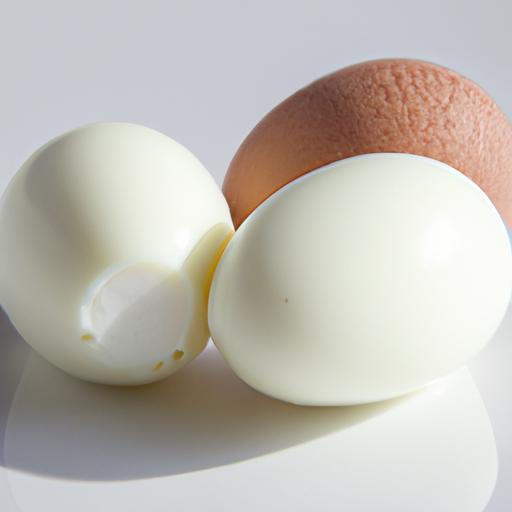
When it comes to simple, wholesome snacks, the humble hard-boiled egg often takes center stage. But beyond its unassuming shell lies a interesting story of energy – measured meticulously in calories – that fuels our bodies in surprising ways.In this article, we’ll crack open the science behind counting calories in hard-boiled eggs, exploring not just the numbers on a nutrition label, but the true energy stored within this protein-packed powerhouse. Whether you’re a fitness enthusiast, a curious foodie, or just someone who enjoys a classic snack, join us as we peel back the layers to reveal what makes hard-boiled eggs a timeless source of nourishment.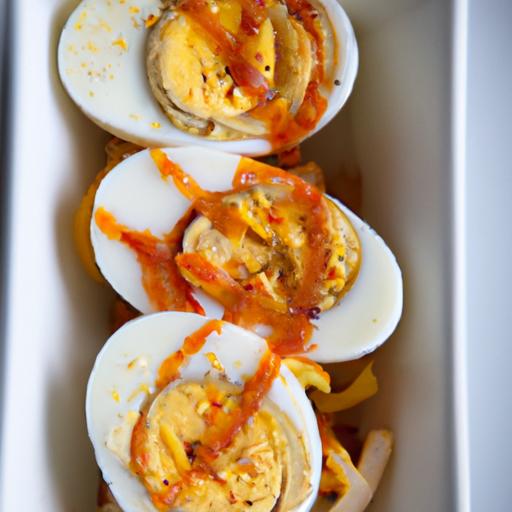
Calorie Breakdown of Hard-Boiled Eggs Revealing Hidden Nutritional Gems
Counting Calories: The True Energy in Hard-Boiled Eggs unlocks the subtle power within this deceptively simple ingredient. Hard-boiled eggs have long been celebrated as a pillar of wholesome nutrition and effortless snacking around the world. Whether it’s the classic protein punch or the beautifully balanced fats and micronutrients, understanding their calorie breakdown reveals a treasure trove of health benefits hidden in every bite.Let’s unravel the true energy inside a hard-boiled egg, celebrating its role not just as a food, but as a vital fuel source for yoru body and mind.
Prep and Cook Time
- Readiness: 2 minutes
- Cooking: 12 minutes
- Total time: 14 minutes
Yield
- Serves 1-2 people (depending on appetite and usage)
Difficulty Level
- Easy – perfect for beginners and seasoned cooks alike
Ingredients
- 2 large eggs (preferably free-range for optimal taste and nutrition)
- Water (enough to cover eggs in pot)
- Ice cubes or cold water (for immediate cooling)
Instructions
- Place the eggs gently in a medium-sized saucepan in a single layer to avoid cracking.
- add cold water until eggs are submerged by at least an inch.
- Heat the pot over medium-high flame until water reaches a rolling boil.
- Once boiling, remove from heat and cover with a tight lid.
- Set a timer for 10-12 minutes, depending on how firm you prefer your yolks.10 minutes yields a creamy yolk,while 12 minutes ensures a fully set center.
- Prepare an ice bath – a bowl filled with ice cubes and cold water.
- After the timer ends, immediately transfer eggs to the ice bath. This stops cooking and helps create a smooth peel.
- Allow eggs to cool for at least 5 minutes. Gently tap and roll each egg to crack the shell, then peel.
Chef’s Notes & Tips for Success
- Fresh eggs are harder to peel: For best peeling results, use eggs that have rested in your fridge for 5-7 days.
- Variation: Add a pinch of baking soda to the boiling water to further ease peeling.
- Storage: Store peeled or unpeeled hard-boiled eggs in an airtight container in the fridge for up to one week.
- Make ahead: Hard-boiled eggs are perfect batch-cooked weekend snacks or protein-rich additions to meals throughout the week.
- Customization: Sprinkle finishing salts, cracked black pepper, or smoked paprika for a flavor kick when serving.
Serving Suggestions
Enjoy your hard-boiled eggs sliced atop crunchy whole-grain toast with smashed avocado and a sprinkle of chili flakes for breakfast.Alternatively, halve them and serve nestled in a crisp green salad with cherry tomatoes and a tangy lemon vinaigrette. For a simple snack, pair with raw vegetables and a dollop of hummus for balanced nutrition and vibrant texture contrast.

| Nutrient | Amount per Large Egg |
|---|---|
| Calories | 78 kcal |
| protein | 6.3 g |
| Total Carbohydrates | 0.6 g |
| Total fat | 5.3 g |
Hard-boiled eggs contain an ideal balance of macronutrients that makes them incredibly satiating while supporting muscle repair and growth, thanks in large part to their high-quality complete proteins.Their modest calorie count – just 78 kcal per egg – makes them ideal for mindful calorie counters.
For an in-depth exploration of protein-packed snacks, be sure to check our best high-protein snacks guide.
Understanding How Preparation Influences Caloric Content and Energy Absorption
How Preparation Influences Caloric Content and Energy Absorption
Understanding the impact of preparation methods is crucial when counting calories and maximizing the true energy in hard-boiled eggs. Hard-boiled eggs are a kitchen staple renowned for their nutritional density and ease of preparation, but the simple act of boiling versus frying or scrambling can substantially affect how your body absorbs their energy.
When eggs are hard-boiled, the proteins undergo denaturation through heat, making them more digestible. This process enhances protein bioavailability, meaning more calories from those proteins turn into actual usable energy. Conversely, methods using added fats, like frying, increase overall caloric content but can alter digestion speed and satiety levels.
Prep and Cook Time
- Preparation time: 5 minutes
- Cook time: 12 minutes
- Cooling time: 10 minutes
Yield
Serves 2 (4 hard-boiled eggs)
Difficulty Level
Easy
Ingredients
- 4 large eggs,fresh and preferably organic
- water,enough to cover eggs by 1 inch in pot
- Ice cubes and water for ice bath (optional but recommended)
Instructions
- Place eggs gently in a single layer at the bottom of a medium saucepan. This prevents cracking during boiling.
- Add cold water until the eggs are covered by about 1 inch of water.
- Bring water to a rolling boil over medium-high heat.
- As soon as the water boils, turn off the heat and cover the pot with a lid. Timer: 10-12 minutes for firm but tender yolks.
- Prepare an ice bath by filling a large bowl with cold water and ice cubes to halt cooking and aid peeling.
- Transfer the eggs immediately into the ice bath using a slotted spoon, and let them rest for at least 10 minutes.
- Peel eggs carefully by tapping gently and rolling on a hard surface; running under cold water helps remove stubborn shells.
Tips for Success
- Fresh eggs can be harder to peel. For easier peeling, use eggs that are 7-10 days old.
- Maintaining an ice bath ensures yolks retain a creamy texture and prevents that greenish ring around them.
- If you prefer slightly softer yolks, reduce the resting time in hot water to 9 minutes.
- Store peeled eggs in an airtight container with a damp paper towel to keep moisture.
- Substituting sea salt or herbs on peeled eggs boosts flavor without impacting calories significantly.
Serving Suggestions
Hard-boiled eggs are versatile and beatiful when presented simply. Slice them in halves or quarters, sprinkle lightly with freshly cracked black pepper and smoked paprika, and garnish with chopped fresh chives or parsley for a burst of color and freshness. Serve atop mixed greens with cherry tomatoes for a light salad or alongside avocado toast for a balanced energy-boosting snack.
For a creative twist, layer sliced eggs on rye bread with mustard and cucumber for a Scandinavian-inspired open-faced sandwich-an elegant yet easy way to enjoy the full nutritional benefits.

| Nutrient | Per 1 Hard-Boiled Egg |
|---|---|
| Calories | 78 kcal |
| Protein | 6.3 g |
| Carbohydrates | 0.6 g |
| Fat | 5.3 g |
The simplicity of this preparation ensures you get the most accurate estimation when counting calories and appreciating the true energy in hard-boiled eggs.For further insights on nutritional effects of cooking methods, you may explore our article on Egg Nutrition and Cooking Methods.To enrich your understanding scientifically, this NCBI study on protein bioavailability offers an authoritative perspective.
Balancing Your Diet with Hard-Boiled Eggs for Optimal Energy and Weight Management
Discovering Balanced Energy: Hard-Boiled Eggs as Your Nutritional ally
Counting Calories: The True Energy in hard-Boiled Eggs reveals how this humble kitchen staple packs a powerful punch for maintaining steady energy levels and supporting weight management goals. Whether you’re powering through a busy afternoon or gently easing into your day, hard-boiled eggs offer a simple yet nutrient-dense option that fits perfectly into a balanced diet.
Originating from one of the oldest cooking techniques,boiling eggs preserves the egg’s essential nutrients while delivering a satisfying,clean flavor and a convenient on-the-go snack. As a culinary content creator and food stylist, I’m passionate about turning everyday ingredients like eggs into visually stunning, healthful dishes.This method capitalizes on the egg’s versatility, inviting customization that amps up both nutrition and pleasure.
Prep and Cook Time
- Preparation: 5 minutes
- Cooking: 12 minutes
- total Time: 17 minutes
Yield
4 servings (1 hard-boiled egg per serving)
Difficulty Level
Easy
Ingredients
- 4 large eggs,preferably free-range or organic
- 1 tablespoon white vinegar (optional,for easier peeling)
- Ice cubes or cold water for ice bath
- A pinch of sea salt (optional,for seasoning)
Instructions
- Place the eggs gently in a single layer in a medium saucepan. Pour in enough cold water to cover the eggs by about an inch.
- Add 1 tablespoon of white vinegar to the water to help prevent cracking and make peeling easier.
- Heat the saucepan over medium-high heat until the water reaches a rolling boil.
- Once boiling, remove the pan from heat immediately, cover it with a tight-fitting lid, and set a timer for 12 minutes.
- Prepare an ice bath by filling a large bowl with ice cubes and cold water.
- After 12 minutes, transfer the eggs carefully into the ice bath to halt the cooking process, leaving them to cool for at least 5 minutes.
- Peel the eggs under cool running water to gently remove the shells without damaging the whites.
- Season with sea salt if desired, or incorporate into your favorite meal or snack.
Tips for Success
- Freshness matters: Slightly older eggs peel more easily than very fresh ones; consider buying eggs a week ahead for best results.
- Peeling trick: Crack the shell all over and roll gently on a flat surface to loosen before peeling.
- Make ahead: Hard-boiled eggs keep well in the refrigerator for up to one week, making them perfect for meal prep.
- Customize: Add smoked paprika, fresh herbs, or a drizzle of olive oil for a rapid flavor boost.
- Use the cooking water: Some find that adding a pinch of salt to the boiling water improves texture, though it’s optional.
Serving Suggestions
Enjoy your perfectly balanced hard-boiled eggs sliced over fresh mixed greens drizzled with lemon vinaigrette for a light,energizing salad. Alternatively, create an open-faced sandwich on toasted whole-grain bread layered with ripe avocado, a sprinkle of cracked black pepper, and microgreens for a filling lunch. Garnish with a dash of smoked paprika or fresh chives to elevate both color and flavor. These servings maximize the nutritional benefits and satisfaction, keeping you energized throughout the day.

| Nutrient | Per 1 Large egg |
|---|---|
| Calories | 78 kcal |
| Protein | 6 g |
| Carbohydrates | 0.6 g |
| Fat | 5 g |
For an in-depth understanding of how calories translate to energy and support weight management, visit the Harvard T.H. Chan school of Public Health’s guide on eggs.
Enhance your culinary journey by exploring our Healthy Breakfast Ideas page for more easy, balanced recipes perfect for any time of day.
Smart Serving Suggestions to Maximize Nutrient Intake Without Overloading Calories
Counting calories: the true energy in hard-boiled eggs can be effortlessly amplified by thoughtful serving combinations that elevate nutrient intake while keeping calorie counts in check. Hard-boiled eggs offer a perfect protein-packed canvas that harmonizes beautifully with fresh, vibrant ingredients, creating a balanced, nutrient-rich bite without the burden of excess calories.
Prep and Cook Time
- Preparation: 5 minutes
- Cooking: 12 minutes
- Total: 17 minutes
Yield
- 4 servings (2 eggs each)
Difficulty Level
- Easy
Ingredients
- 8 large hard-boiled eggs, peeled and cooled
- 1 cup baby spinach, roughly chopped
- 1 small avocado, sliced
- 1 medium tomato, diced
- 2 tablespoons plain Greek yogurt
- 1 teaspoon Dijon mustard
- 1 tablespoon fresh dill, finely chopped
- 1 teaspoon extra-virgin olive oil
- Salt and freshly ground black pepper, to taste
- 1 tablespoon toasted pumpkin seeds (optional, for crunch)
Instructions
- Slice each hard-boiled egg lengthwise into halves. Arrange them gracefully on a serving platter for an inviting presentation.
- In a small bowl, whisk Greek yogurt with Dijon mustard, fresh dill, salt, and pepper until smooth. This creamy topping adds zest without adding unneeded calories.
- Gently toss the baby spinach, tomato, and avocado slices in extra-virgin olive oil with a pinch of salt to awaken their natural flavors.
- Layer the dressed greens and avocado around the eggs, creating a colorful bed that enhances the nutrient profile of each bite.
- Drizzle the yogurt-dill sauce modestly over the eggs or serve on the side to control portions and calorie intake.
- Sprinkle toasted pumpkin seeds on top for a delightful crunch and extra minerals like magnesium and zinc.
- garnish with a few dill sprigs and freshly cracked black pepper to make your plate pop with freshness.
Tips for Success
- For perfectly cooked hard-boiled eggs, place eggs in a pot and cover with cold water. Bring to a boil then remove from heat; cover and let sit for exactly 12 minutes before plunging into ice water.
- Swap baby spinach for arugula or kale for a peppery or heartier green twist without increasing calories significantly.
- To keep it low-calorie, skip the pumpkin seeds or substitute with a sprinkle of chia seeds for omega-3 benefits.
- Prepare the yogurt-dill sauce up to 24 hours ahead-flavors will deepen and it keeps well refrigerated.
- If avocados aren’t available, thin cucumber slices add crunch and hydration with minimal calories.
Pairing hard-boiled eggs with nutrient-dense, low-calorie accompaniments like leafy greens and fresh vegetables highlights the essence of mindful eating. This dish shines when served as a light lunch or a colorful appetizer. Serving eggs atop whole-grain crispbreads or nestled inside crunchy lettuce wraps can further stretch servings without unwanted calorie spikes.
Adding a small sprinkle of freshly cracked black pepper and herbs such as dill or chives brightens the flavor, making each bite feel indulgent yet nutritious. Incorporating healthy fats from avocado enhances absorption of fat-soluble vitamins (A, D, E, K) naturally found in eggs and vegetables, unlocking the full power of this simple meal.
visual appeal drives appetite, so don’t hesitate to plate your creation with contrast in color and texture-creamy eggs, vibrant greens, and crunchy seeds create a sensory feast that whispers wellness. Avoid heavy dressings or sauces; rather, use tangy yogurt blends or citrus-based vinaigrettes for zest without excess calories.
By consciously balancing these elements, you ensure every serving delivers maximum nourishment, satiety, and energy-showcasing how counting calories can be both practical and delicious.
| Nutrient | Per 2 Hard-Boiled Eggs | Calories | Protein (g) | Carbohydrates (g) | Fat (g) |
|---|---|---|---|---|---|
| Hard-Boiled Eggs | 2 eggs (100g) | 156 | 13 | 1.1 | 11 |
| avocado (sliced) | 1/4 fruit (50g) | 80 | 1 | 4 | 7.5 |
| Baby Spinach & Tomato | 1/2 cup combined (30g) | 10 | 1 | 2 | 0 |
| Greek Yogurt Sauce | 1 tbsp | 15 | 1.5 | 1 | 0.5 |
| Total per serving | 261 | 16.5 | 8.1 | 19 |

For more ways to enjoy protein-packed eggs without compromising your calorie goals, check out our detailed guide on High-protein Breakfast Ideas. Enhance your nutritional knowledge by visiting The Nutrition Society for evidence-based insights.
Q&A
Q&A: Counting Calories - The True Energy in Hard-Boiled Eggs
Q1: Why are hard-boiled eggs frequently enough praised as a nutrient-rich snack?
A1: Hard-boiled eggs pack a powerful punch in a tiny package. They provide high-quality protein,essential vitamins like B12 and D,and minerals such as selenium-all without added fats or sugars. This makes them an ideal, convenient snack for sustained energy and fullness.
Q2: How many calories does a typical hard-boiled egg contain?
A2: On average, a large hard-boiled egg contains about 70 to 78 calories. This modest calorie count comes primarily from protein and healthy fats,making it a balanced and satisfying choice for fueling your day.
Q3: Does the calorie content change depending on how the egg is cooked?
A3: The egg itself holds the same calorie content whether boiled, poached, or scrambled-approximately 70 calories per large egg. However,additional ingredients like oils,butter,or cheese used in cooking methods other than boiling can increase the calorie count.Q4: What makes the calories in hard-boiled eggs so “true” or reliable?
A4: When you boil an egg, you don’t add any extra ingredients. The calories come directly from the egg’s natural composition-protein and fat-without hidden oils,sugars,or seasonings. That purity means the energy you count is the energy you get,making it easier to track intake accurately.
Q5: How do hard-boiled eggs support energy levels throughout the day?
A5: Thanks to their rich protein content, hard-boiled eggs help stabilize blood sugar and keep hunger at bay. The fat content slows digestion,providing a steady release of energy that can fuel your brain and muscles without causing energy crashes.
Q6: Can eating too many hard-boiled eggs led to consuming excessive calories?
A6: Moderation is key. While eggs are nutrient-dense, eating large quantities can add up in calories and cholesterol. Sticking to one or two hard-boiled eggs per day is generally considered a balanced approach for most people within a varied diet.
Q7: How do hard-boiled eggs fit into popular calorie-counting diets?
A7: Hard-boiled eggs are a favorite among many calorie-conscious eaters-from those following low-carb and ketogenic plans to balanced macros diets. Their simplicity and nutrient density make them a flexible foundation for meals and snacks aimed at both weight management and muscle maintenance.
Q8: What’s a creative, calorie-conscious way to enjoy hard-boiled eggs?
A8: Slice them atop a fresh bed of mixed greens, sprinkle with herbs like dill or paprika, and add a squeeze of lemon. This combination adds flavor with minimal calories, letting the egg’s natural nutrition shine while keeping your meal light and vibrant.
Hard-boiled eggs may be small, but their calorie count offers a obvious source of high-quality energy.Counting calories doesn’t have to be intricate, and with eggs on your plate, it’s a simple step toward nourishing your body intelligently.
Key Takeaways
In the quest to understand what fuels our bodies, counting calories can sometimes feel like decoding a complex puzzle. Yet, when it comes to the humble hard-boiled egg, the equation becomes delightfully simple. Each crack of the shell reveals not just a compact, protein-packed powerhouse, but a clear measure of energy that supports everything from morning workouts to midday slumps.By appreciating the true calorie content of hard-boiled eggs, we unlock a straightforward way to nourish our bodies efficiently and mindfully. So next time you reach for this modest marvel, remember: within its modest shell lies a precise-and reliable-unit of energy, ready to power your day one bite at a time.